
What outdoor vinyl is expected to do in Free State conditions
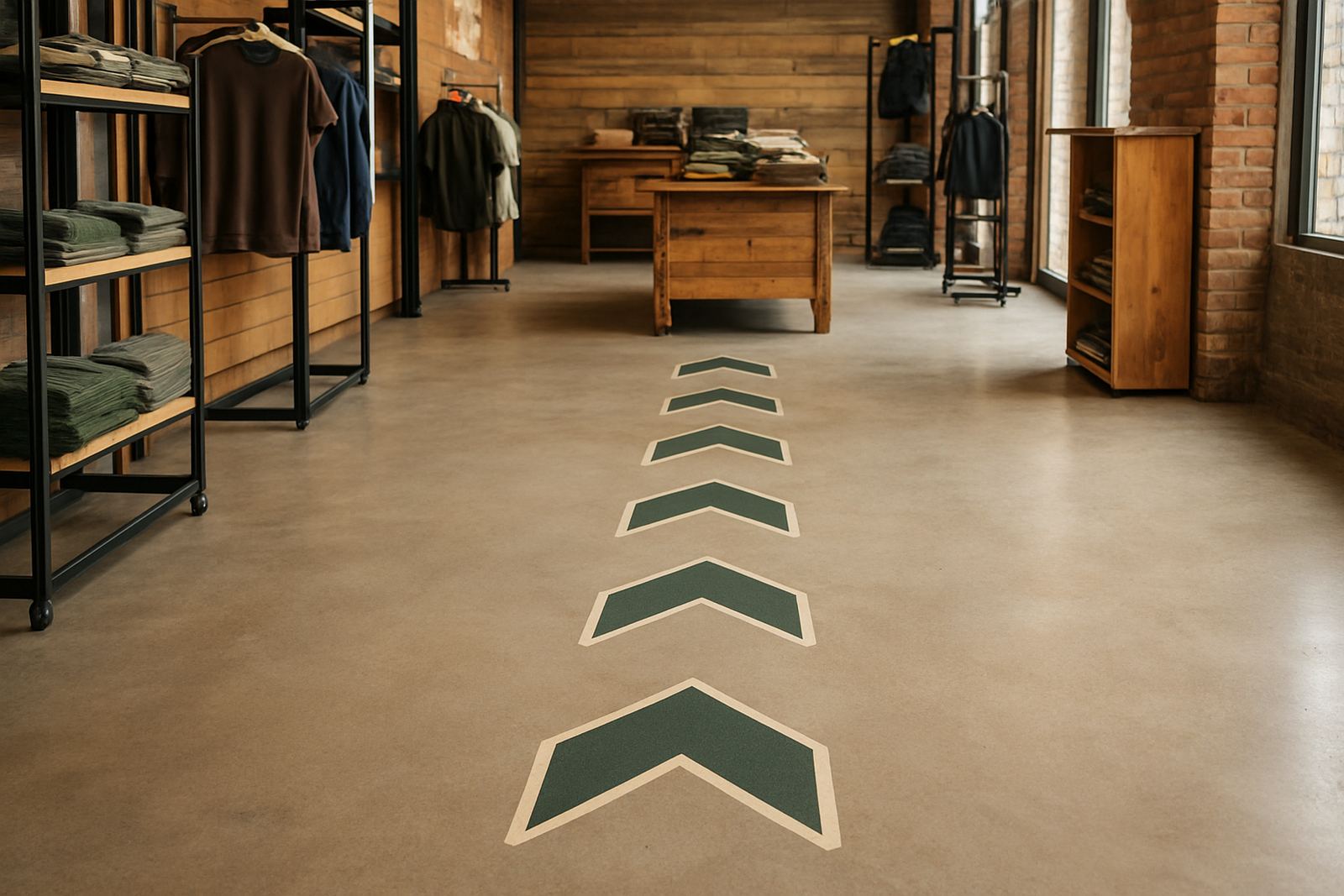
Outdoor vinyl is used on shop windows, wall signs, doors, floor graphics, banners and vehicle lettering because it gives a clean finish and can be printed or cut to suit many jobs. In Bloemfontein and the wider Mangaung area, its lifespan depends less on the sticker itself and more on where it is fitted, how it is applied and what weather it takes day after day.
As a general guide, a well selected and well fitted exterior vinyl can last from 2 to 5 years, sometimes longer on sheltered signs and sometimes less on exposed surfaces. Sunlight, dust, surface prep and movement all play a part. A vinyl graphic on a north facing wall in Bloemfontein will age differently to one under a canopy in Botshabelo or a vehicle decal that sits in direct sun all day in Welkom.
Sun exposure is the biggest enemy
The Free State has strong sun for much of the year, and that UV exposure is usually the first thing to shorten vinyl life. Printed colours fade before the film actually breaks down, so the sign may still be stuck down but it no longer looks fresh. Dark colours are usually the first to show it, especially black, red and deep blue.
Heat also makes adhesive work harder. On metal roller shutters, steel cladding and aluminium composite panels, the surface can get very hot in summer afternoons. If the vinyl was not laminated properly or if the panel was dusty during fitting, edges may start lifting earlier than expected. On some sites a sign faces full afternoon sun and very dry wind, and that combination is enough to shorten the life by a year or more.
- Choose UV stable materials for the exposure level on the site
- Use lamination on printed vinyl where the job will sit in direct sun
- Avoid fitting onto hot surfaces in the middle of the day
- Keep edges sealed and trim neatly around rivets, joins and corners
Wind, dust and temperature swings wear vinyl down
In places like Thaba Nchu, Winburg and the open roads around Kroonstad, wind carries dust that can sit on the surface and work into the edges of the vinyl. When dust builds up, it does not just look untidy. It also makes cleaning more aggressive, and harsh scrubbing can scratch laminated print or loosen older film.
Cold winter mornings followed by hot afternoons create expansion and contraction. That movement is small but it happens daily, and over time it can stress joins on walls, floors and gates. If a vinyl job is applied over old paint, flaky signage board or a rough surface, the temperature change can expose those weak points faster. On large boards, that is often where the first peel starts.
- Wash signage with mild soap and soft cloths only
- Do not use high pressure too close to the edge of the vinyl
- Check corners after windy spells or after dust storms
- Repair small lift points early before moisture gets under the film
The surface underneath matters more than most people think
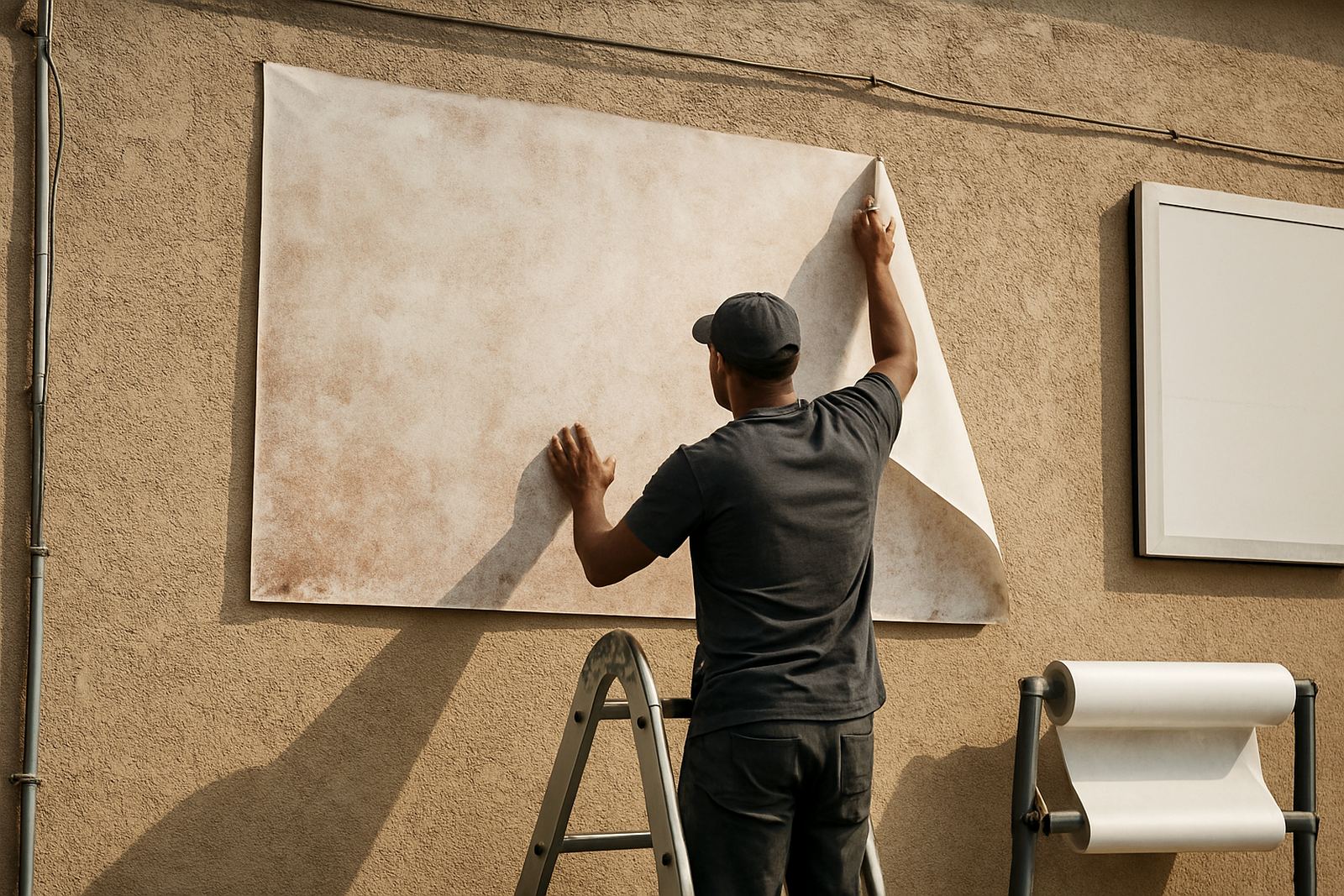
Vinyl lasts best when the surface below it is clean, dry and stable. On freshly painted walls, the paint must cure properly before anything is applied. On powder coated metal, glossy glass, tiled walls or textured plaster, the adhesive behaves differently. A smooth panel will usually hold vinyl better than a rough, dusty or porous one.
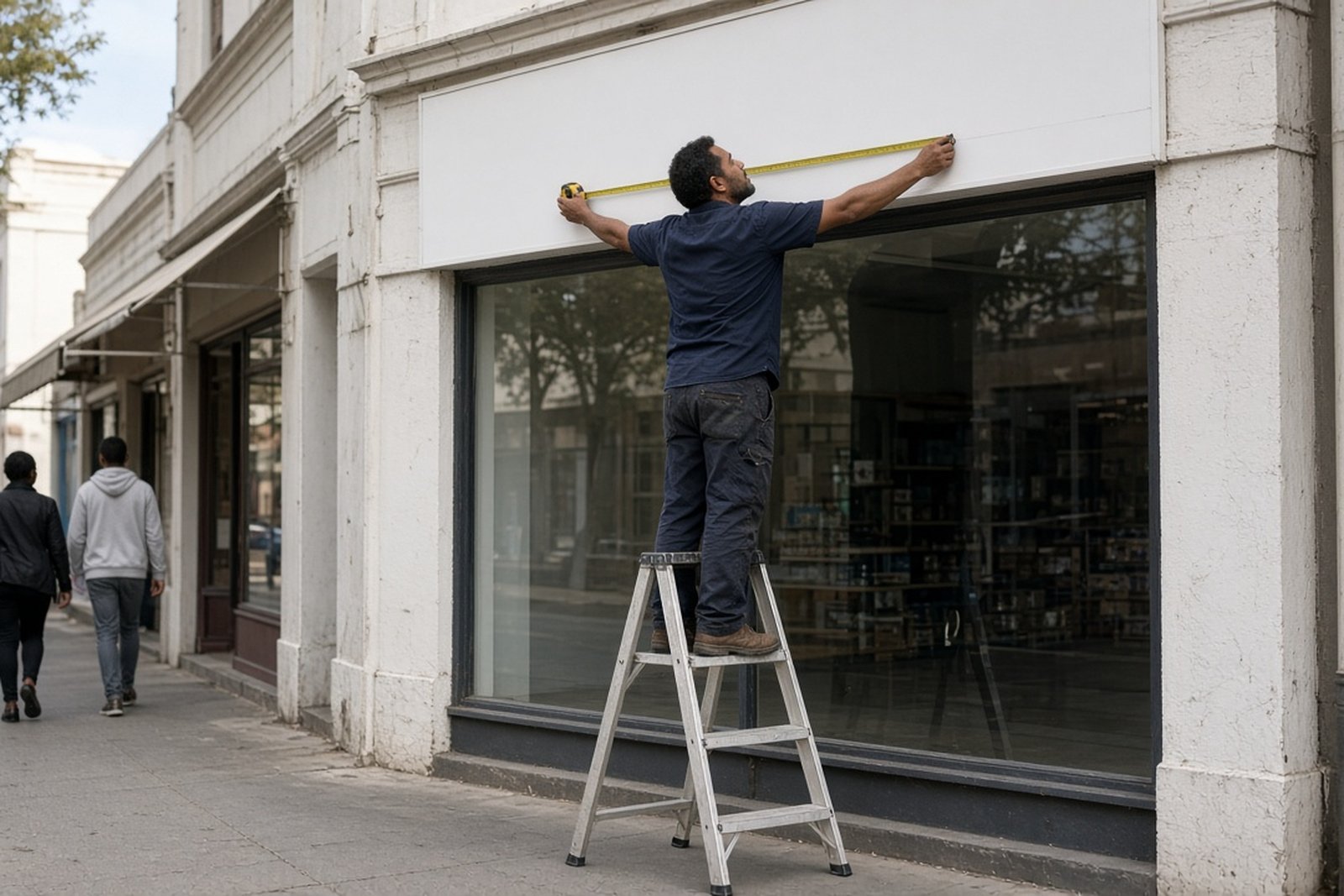
When a site is rushed, the problem often shows up later as bubbling, edge lift or cracking. That is why site surveys matter. A proper look at the wall, window, door, floor or vehicle panel helps determine whether a decal, printed graphic or cut vinyl is the right option. In some cases a sign refurbishment is smarter than a full replacement because the base is still sound, only the face needs renewal.
- Remove old glue, flaking paint and loose dirt before fitting
- Allow new paint to cure fully before application
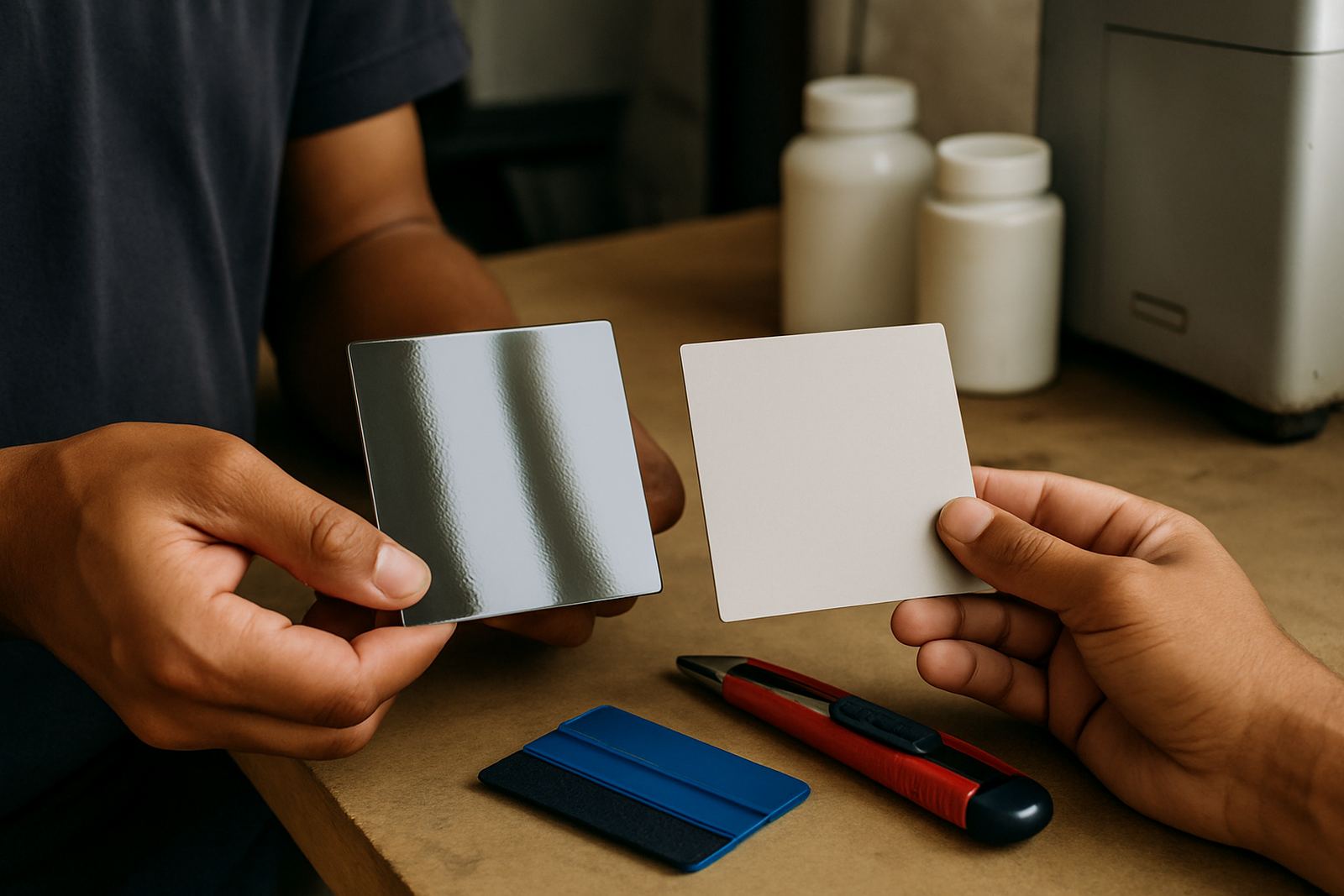
- Match the vinyl type to the surface finish and texture
- Use the correct method for glass, painted boards, metal and PVC
Vehicle graphics have their own lifespan
Vehicle graphics work harder than most other exterior vinyl. They flex, they heat up and cool down, and they get washed repeatedly. A bakkie that drives around Bloemfontein, Mangaung and the surrounding towns every day will usually see faster wear on the bonnet, roof and rear panels than on the doors. The same applies to delivery vehicles parked outdoors in full sun.
The quality of the application is critical. If the vehicle is dirty, waxy or still damp, the film may look fine on day one but fail early. Door handles, fuel caps and panel edges need careful trimming. For fleets, debranding and rebranding should also be planned in proper sequence so that residue is removed without damaging paint. That saves money and keeps the vehicle usable longer. A rushed rebrand often costs more in the end, and not just in materials.
A local example from a busy Bloemfontein frontage
Consider a retail front in Hamilton, Bloemfontein, with windows facing the afternoon sun and foot traffic coming from the parking side. The shop wants full window graphics, a door decal and a simple wall sign outside. If the windows are covered with printed film and no lamination is used, the colours may start fading within 18 to 24 months. If the same job is laminated, fitted on a clean surface and protected from constant scraping, it can hold its look for much longer.
Now add in dust from traffic, frequent opening and closing of the door and regular cleaning after load-shedding related business interruptions. The lifespan changes again. A sign that gets wiped with a rough cloth every day will age faster than one maintained with light cleaning. That is why our team often recommends a maintenance visit before failure starts. It keeps the sign readable, tidy and safe to use.
- Schedule maintenance checks before winter and before peak summer
- Replace damaged sections instead of waiting for full failure
- Keep a record of install dates for banners, decals and panels
- Ask for refurbishment when the base structure is still in good condition
How to stretch the life of exterior vinyl
The best way to get good value from outdoor vinyl is to choose the right material for the job, prepare the surface properly and protect it from avoidable damage. That means using the right thickness, the right laminate where needed and the right fixing method for the site. It also means keeping an eye on the sign after installation, especially during the first few weeks when edges settle and the adhesive beds in.
Central Signs works on shop signs, banners, decals, vehicle graphics, labels and exhibition displays for businesses across Bloemfontein, Mangaung, Botshabelo, Thaba Nchu, Welkom and Kroonstad. From artwork setup and logo redraws to print production, vinyl cutting, fabrication and installation, the goal is always the same: a sign that suits the site and lasts as long as the conditions allow. On the Free State side, that practical approach makes a real difference.