

How to choose the right sign for the job
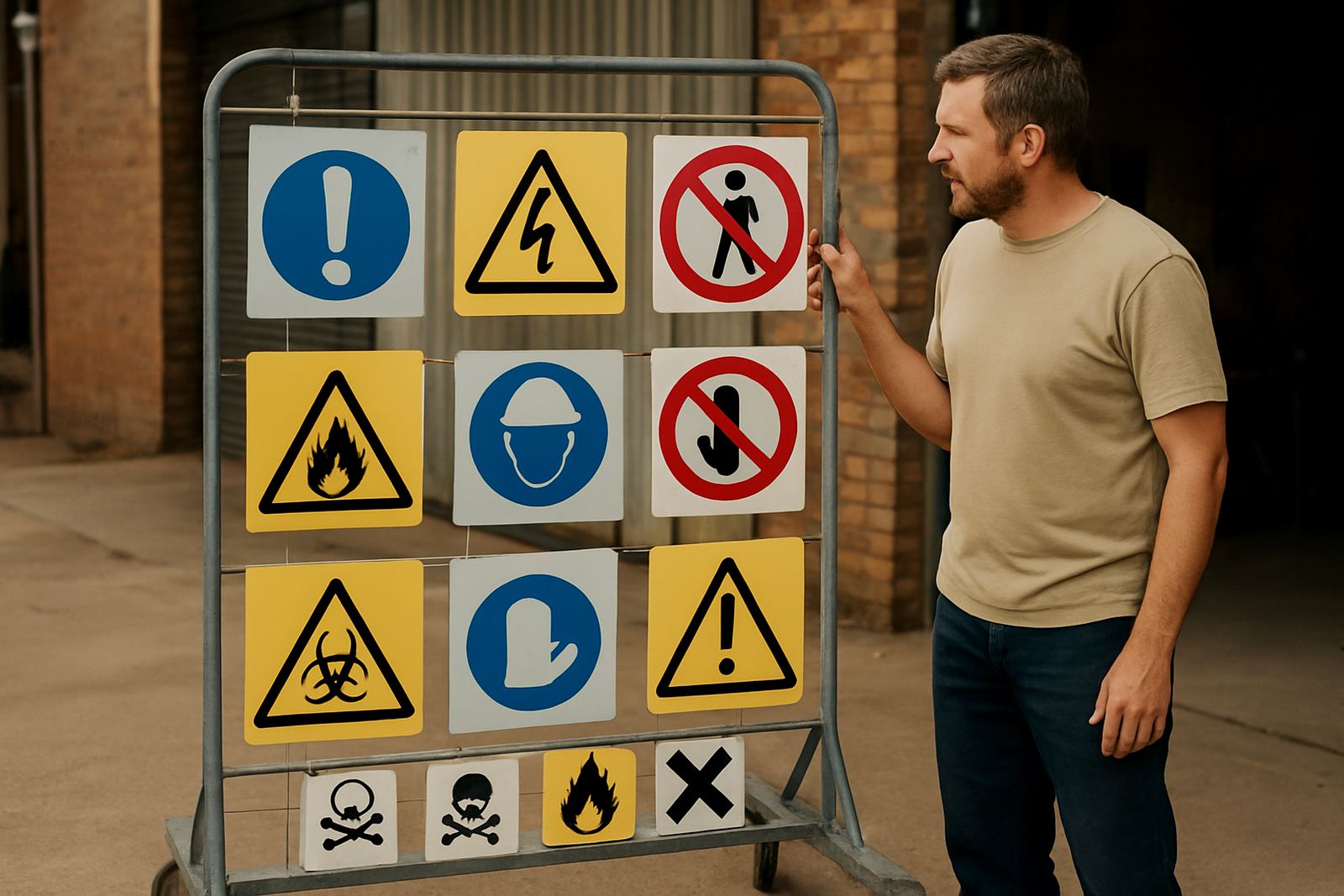
Not every sign does the same work. A shopfront sign needs to be visible from the street, while a window decal might need privacy, trading hours, or a promotion that can be changed later. Vehicle graphics must handle sun, dust, rain and constant washing, especially for fleets moving between Bloemfontein, Mangaung, Botshabelo and surrounding routes.
Start with the purpose, viewing distance and surface. That usually narrows the choice quickly, whether you are looking at a flat board, cut lettering, a banner, or a printed graphic for glass, walls, doors or floors. A short site check can also help if the wall is uneven, shaded, or exposed to wind.
- Think about where people will first see the sign.
- Check if the message must be permanent or change often.
- Confirm the surface type, like brick, painted wall, glass, aluminium or vehicle panels.
- Consider weather, sun exposure and after-hours visibility.
What to prepare before you ask for a quote
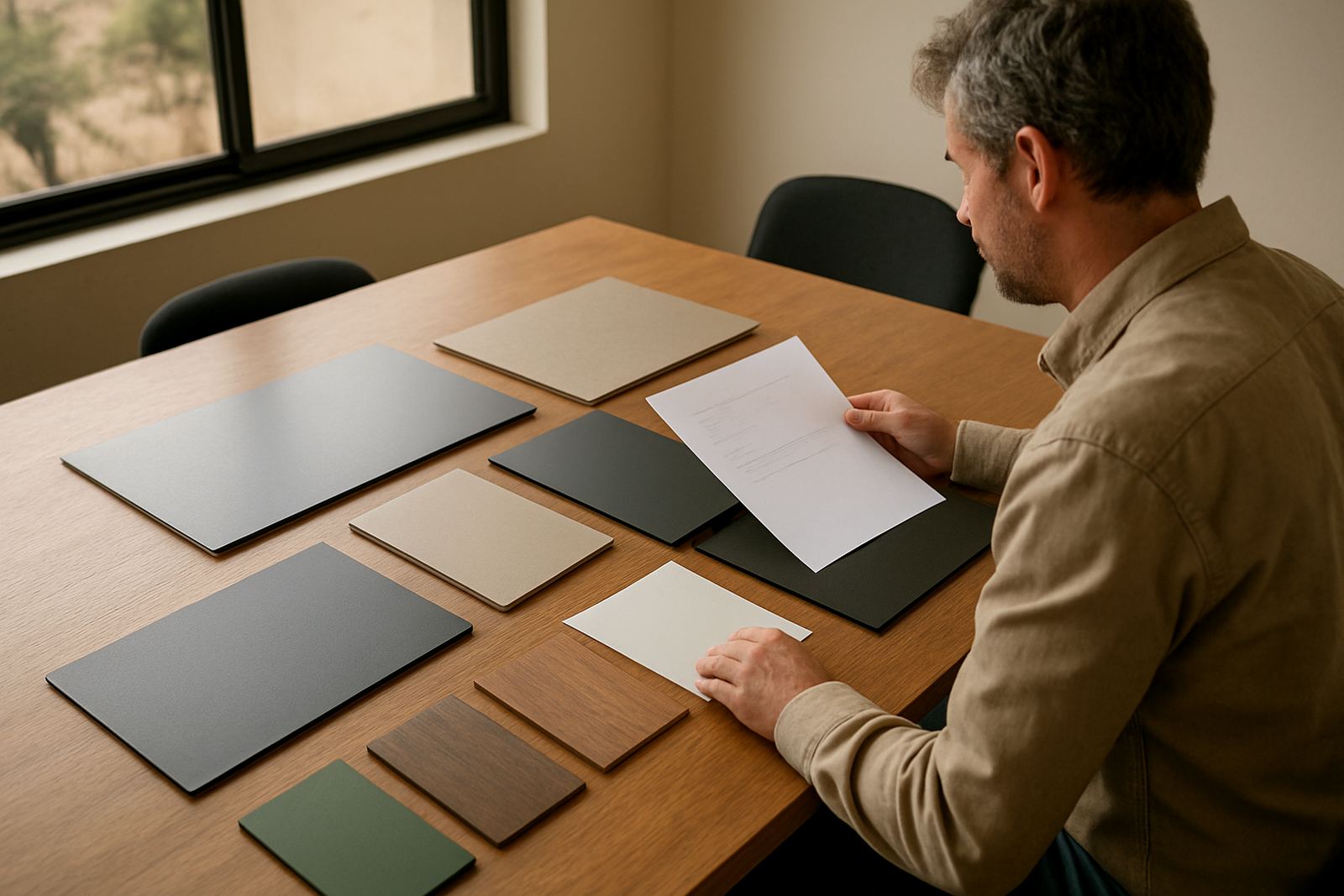
The cleanest sign orders start with good information. If you send a logo, rough size, preferred colours, and a clear photo of the wall, window or vehicle, it is much easier to price correctly and avoid back-and-forth. For businesses in Kroonstad, Welkom or Thaba Nchu, photos are especially useful when a site visit is not practical straight away.
Try to include the final wording exactly as it should appear. Double check spellings, trading names, contact details and opening times. Small changes after printing can add cost and slow the job down, especially where vinyl cutting, lamination or fabrication is already underway.
- Send artwork in the best quality you have, even if it is not perfect.
- Measure the area twice and give the usable space only.
- Note any rules from landlords, body corporates or municipal signage controls.
- Say when the sign must be installed, and whether access is limited.
Comparing shop signs, banners and decals
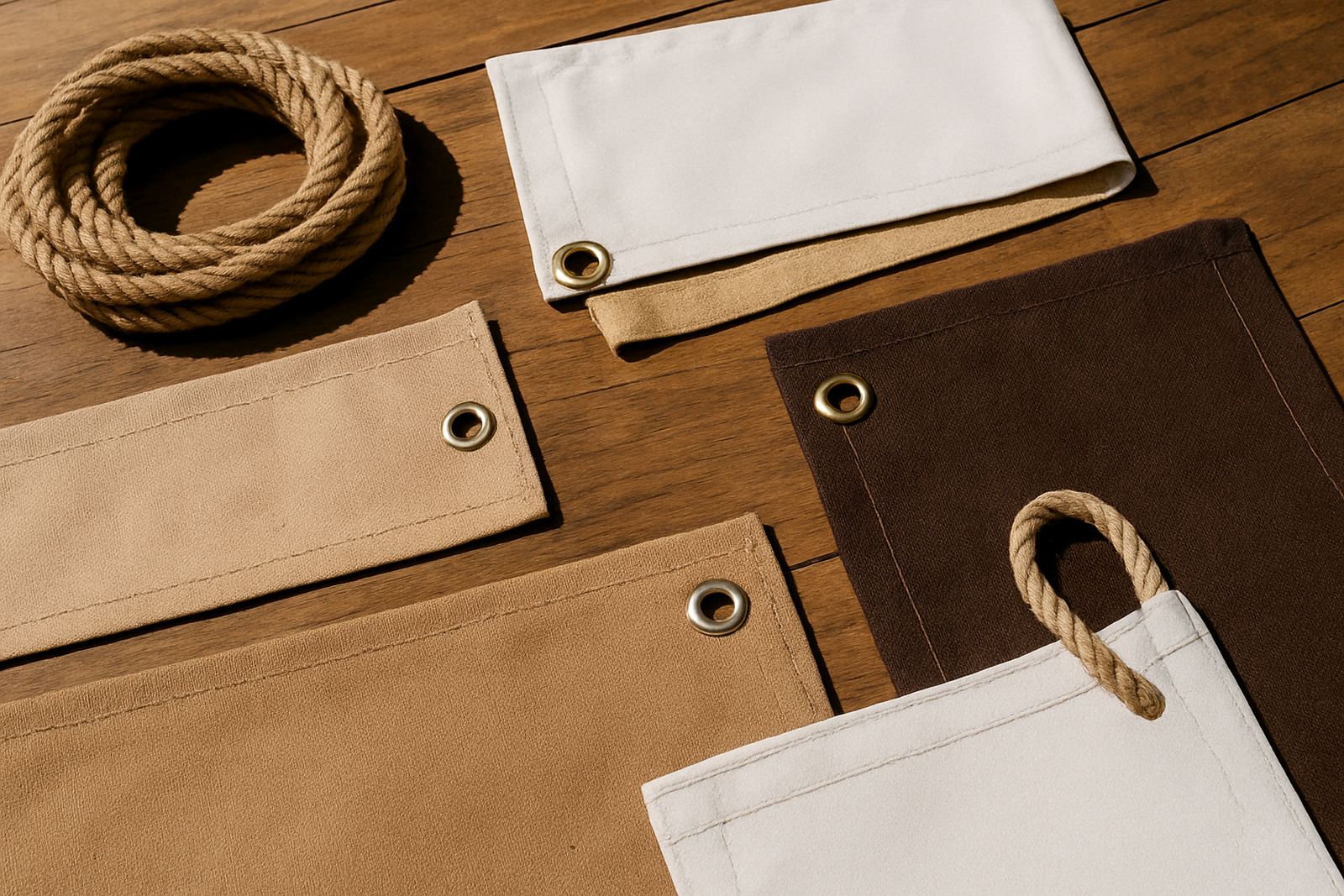
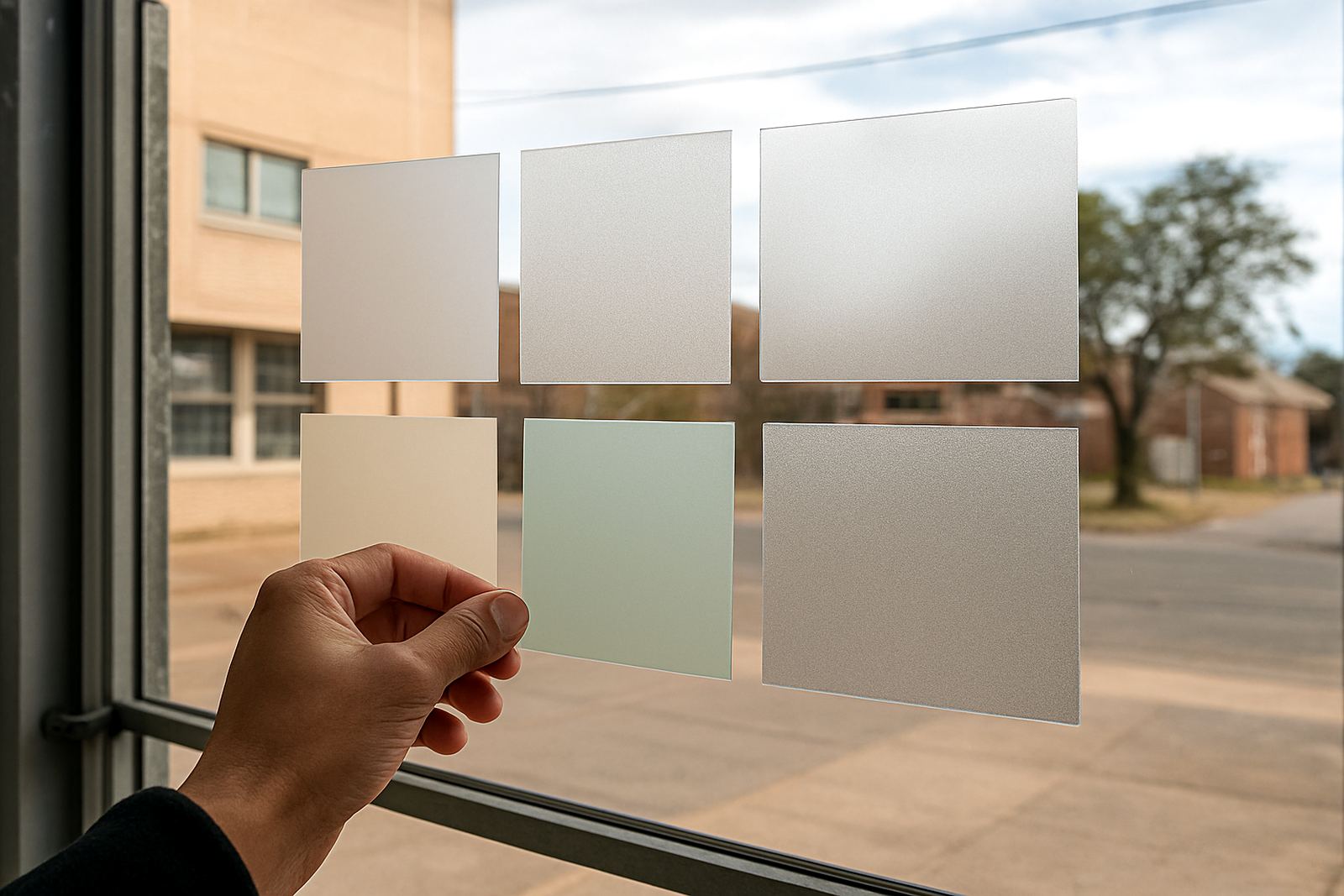
Each product suits a different budget and timeline. Banners are useful for short-term promotions, openings and events because they are quick to produce and easy to move. Decals and cut vinyl suit windows, doors and floors where neat lettering or directional graphics are needed. Shop signs usually take more planning because size, fixing points and visibility matter more.
If you are weighing up options, ask how long the sign must last, whether it will be indoors or outdoors, and if it may need to be removed later. For a storefront in Bloemfontein, a sign facing strong afternoon sun will need different material choices than a temporary indoor display at an expo.
- Banners: short-term promotions, event use and budget-friendly visibility.
- Decals: windows, doors, labels and wayfinding.
- Shop signs: longer-term branding and street-facing identification.
- Floor graphics: controlled indoor use and clear directional marking.
Vehicle branding that lasts on Free State roads
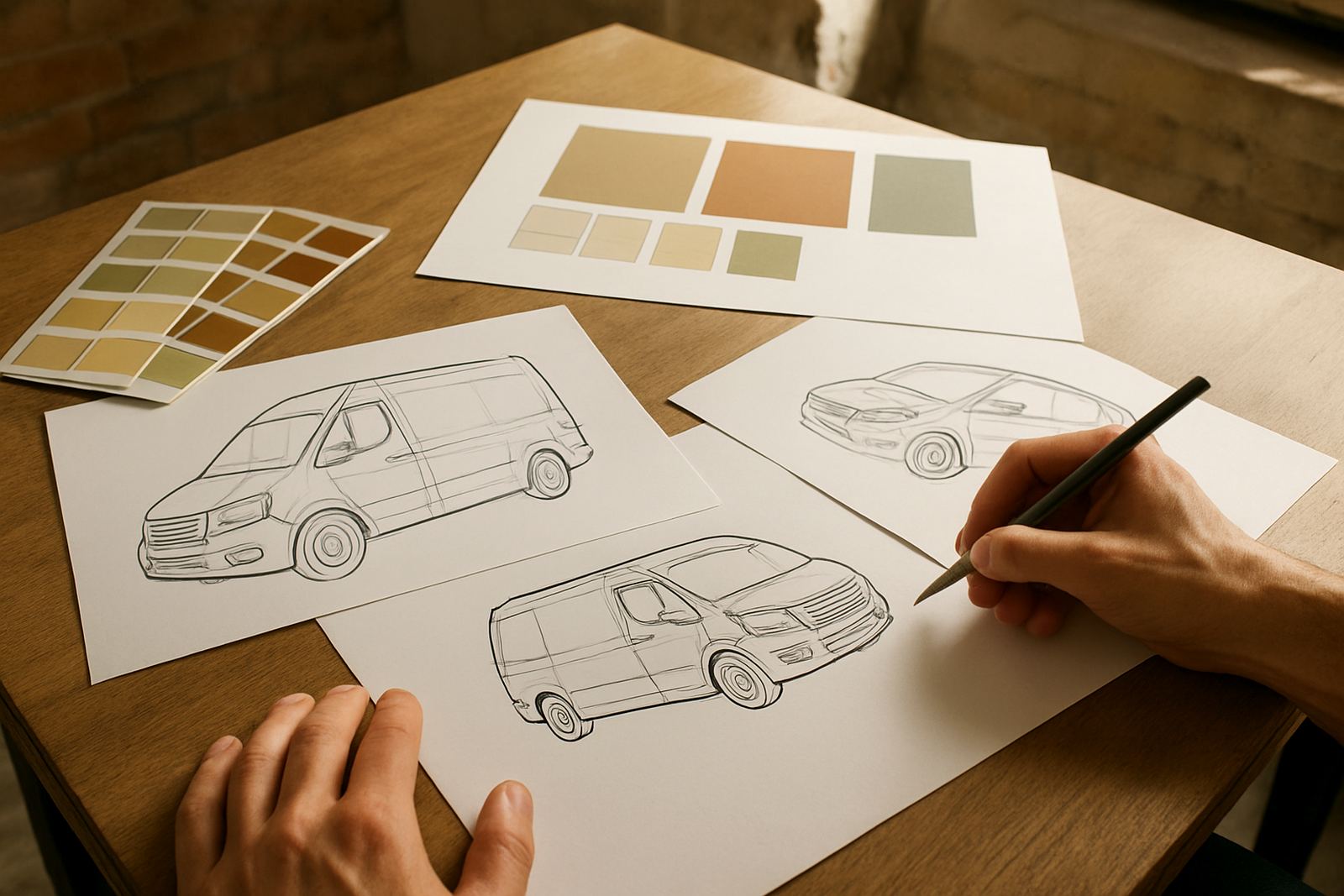
Vehicle graphics have to cope with dust, gravel, heat and frequent washing. On bakkies, cars, trailers and delivery vans, the layout should still read clearly when the vehicle is moving or parked in bright light. Good preparation matters too, because a clean panel and proper application reduce lifting at the edges.
For fleets, it helps to standardise the design before production starts. That way every unit looks consistent, even if the vehicle mix changes over time. If the branding may be removed later, ask about debranding so the paintwork is protected as far as possible.
- Choose large text for fast reading at a distance.
- Keep contact details simple and easy to spot.
- Plan for courier use, site visits or long hours on the road.
- Ask whether the vehicle will be parked outdoors or under cover.
Installation, access and maintenance matters
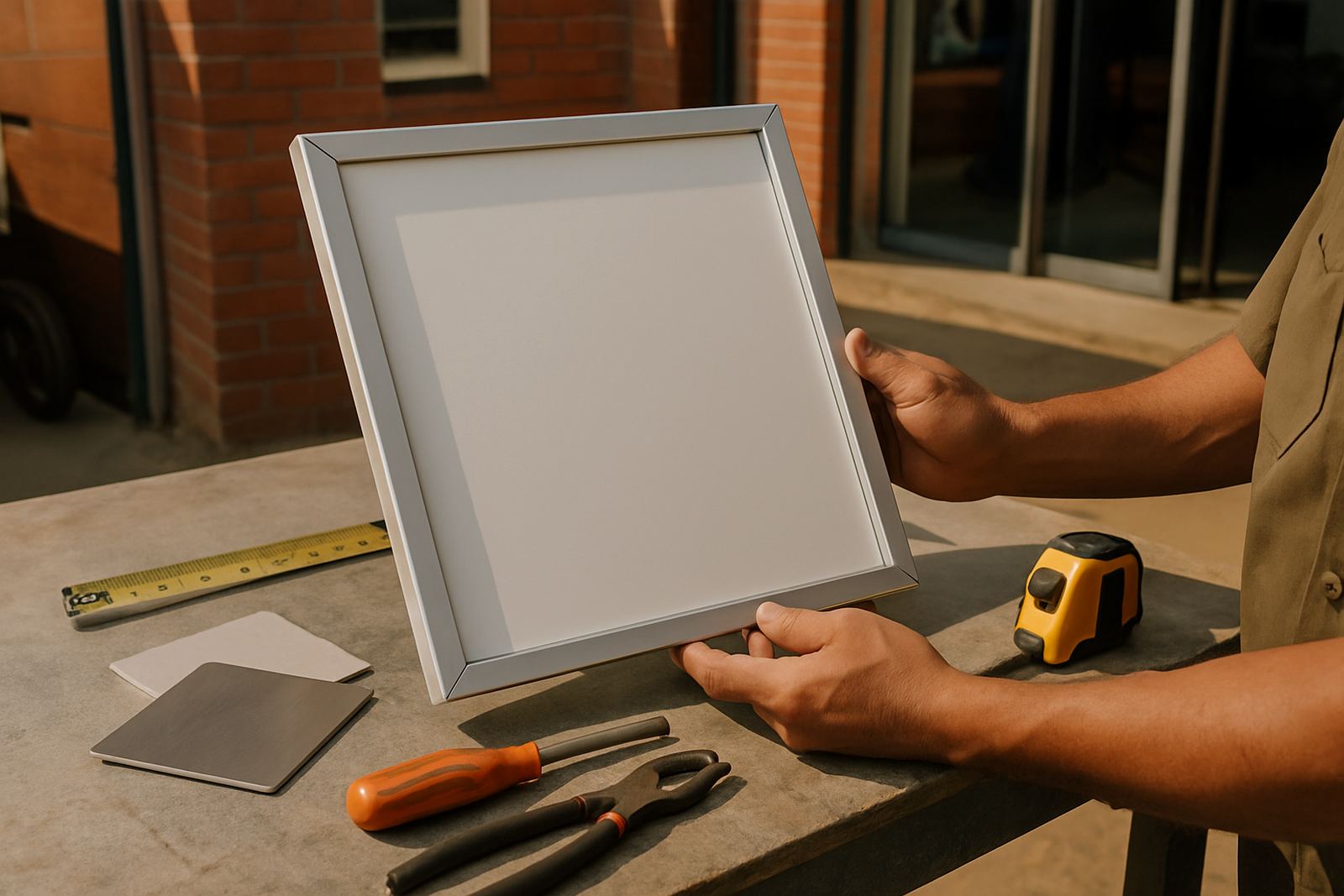
Good signage does not stop at printing. Safe installation, correct fixing and later maintenance all affect how long the work lasts. A high sign on a busy street needs proper access and a clear plan for fitting. Indoor graphics may need smoother walls, while outdoor signs may need reinforcement for wind and weather. In some areas, load-shedding also affects when work can be done, especially if lighting or power tools are involved.
Maintenance visits can save money if a sign only needs a fix, a replacement panel or a fresh decal rather than a full remake. That is often the better option for businesses that already have an established sign frame or display area.
When a site survey saves time and money
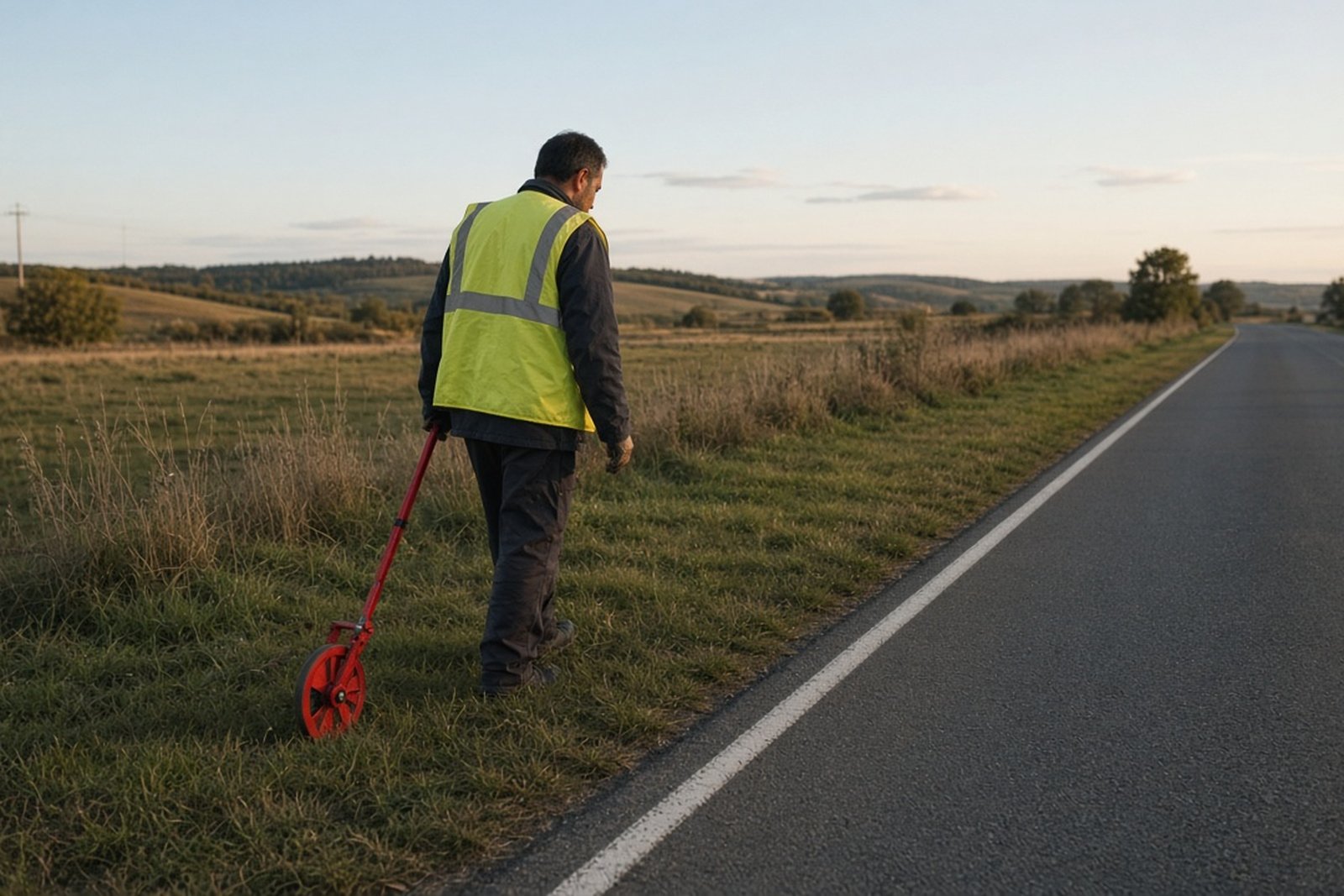
A site survey is worth it when the job is large, the surface is tricky, or access is tight. It helps confirm measurements, mounting points, visibility and any obstacles that might not be obvious from a photo. For new premises, a survey can also pick up issues like uneven plaster, glass tint, poles, tree cover or restricted parking for installation.
For owners in Hamilton, Bloemfontein and across Mangaung, a short survey often prevents rework and avoids a sign that is a few centimetres too wide or placed where it disappears behind a beam.