
How to choose the right sign for your site
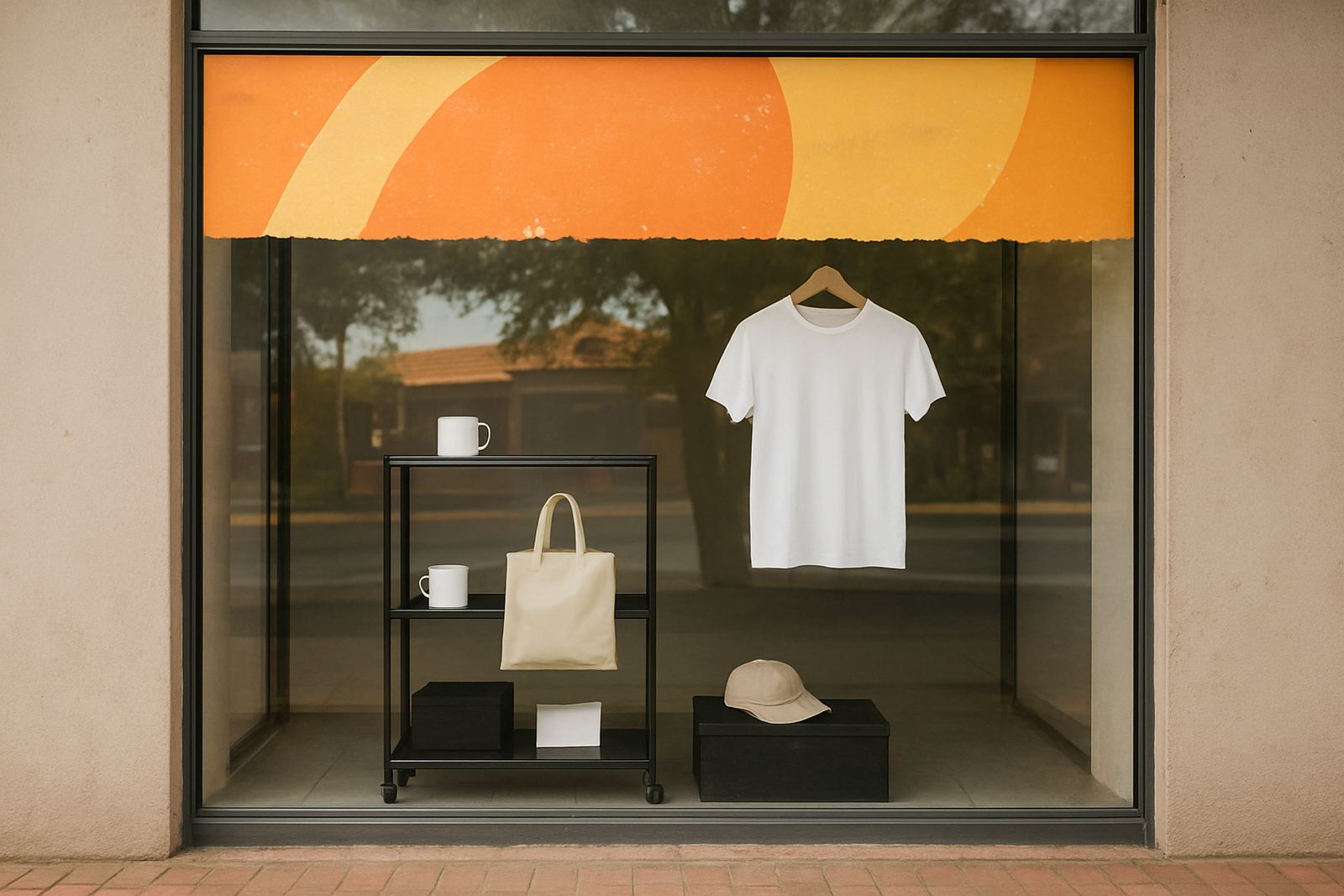
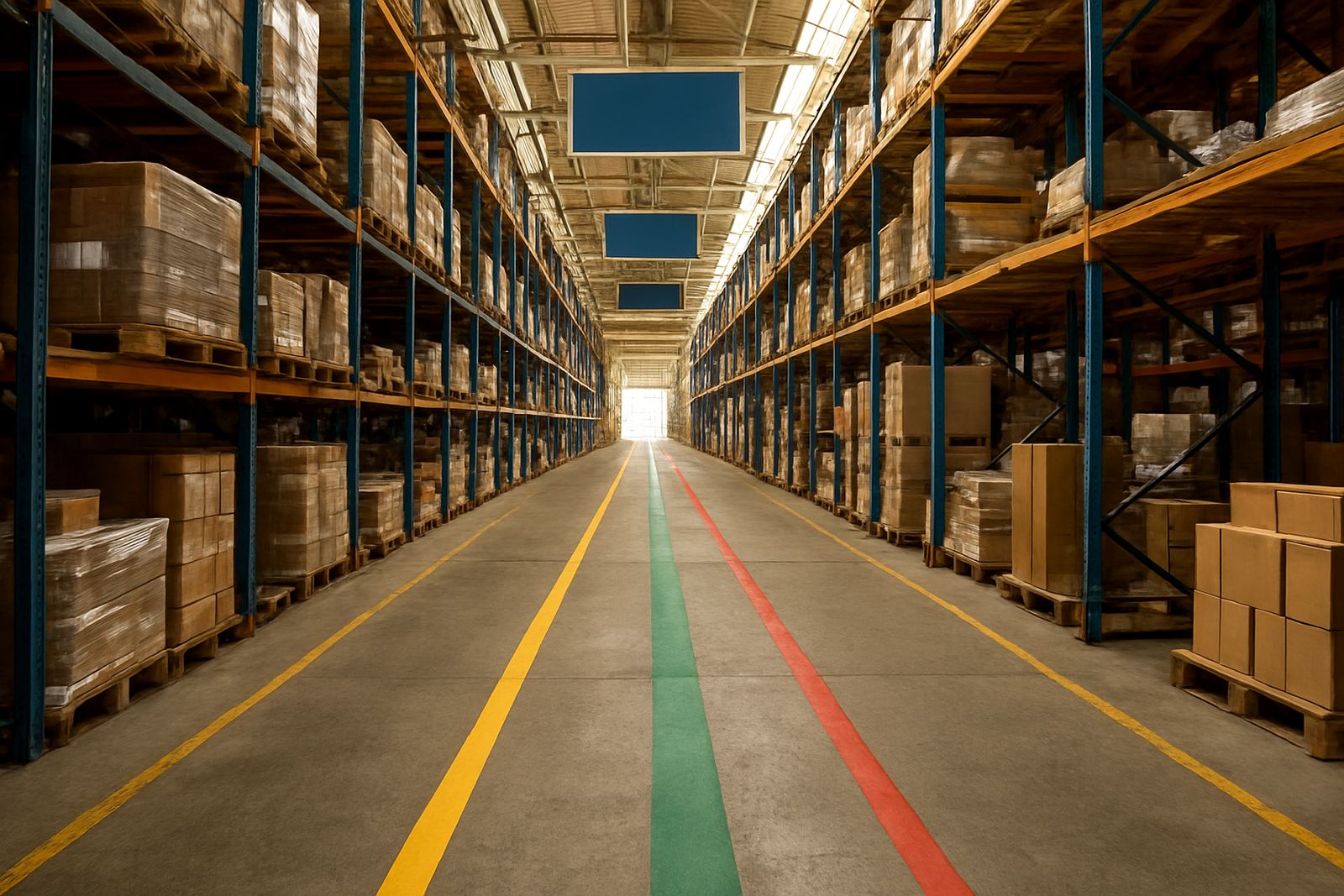
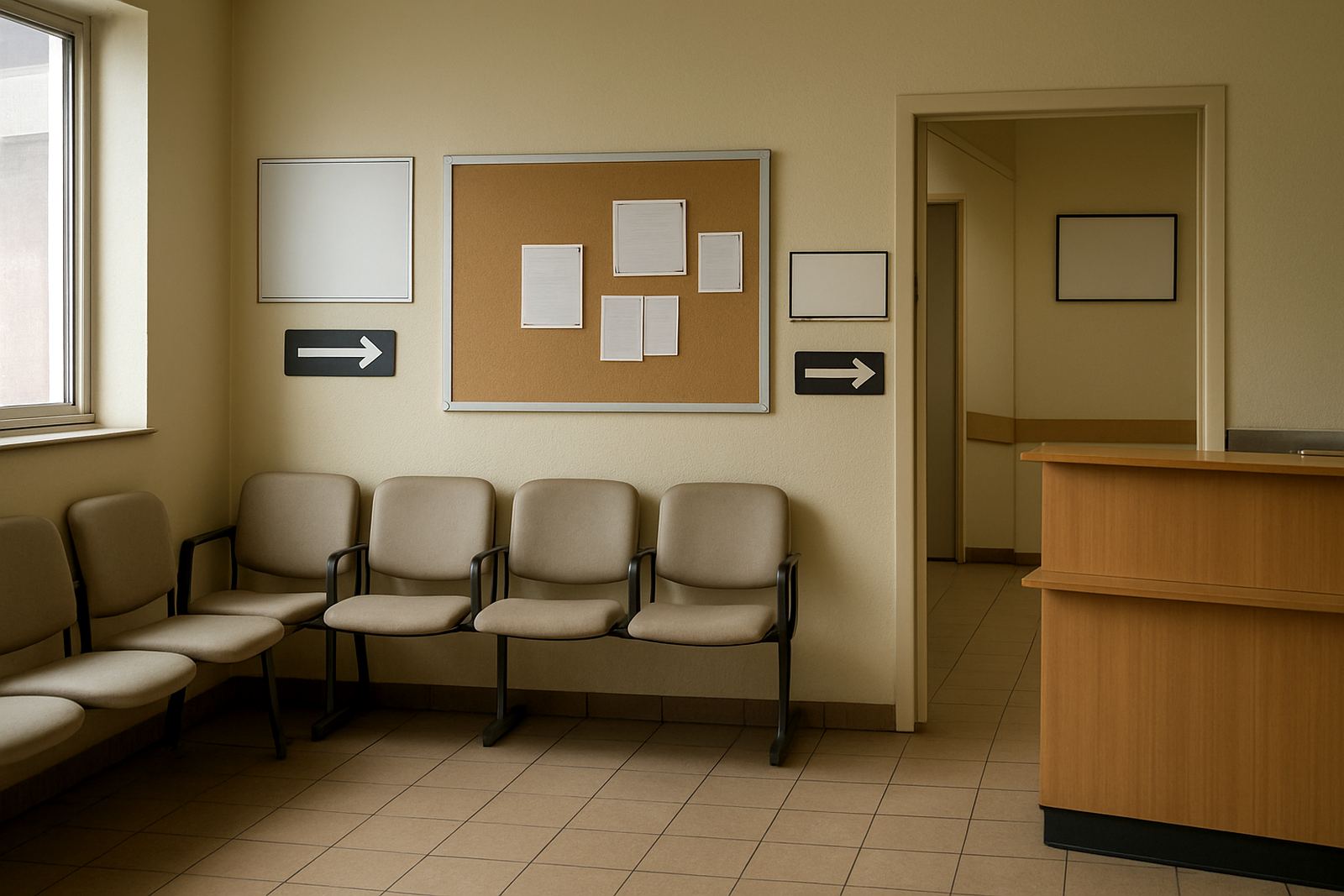
Not every message needs the same finish or fixing method. A retail front in central Bloemfontein may need clear visibility from the street, while a workshop in Hamilton might need durable directional signage that can handle dust, sun and regular cleaning. We use these notes to help you match the sign to the job, so you do not pay for over-spec work or end up with something too light for the site.
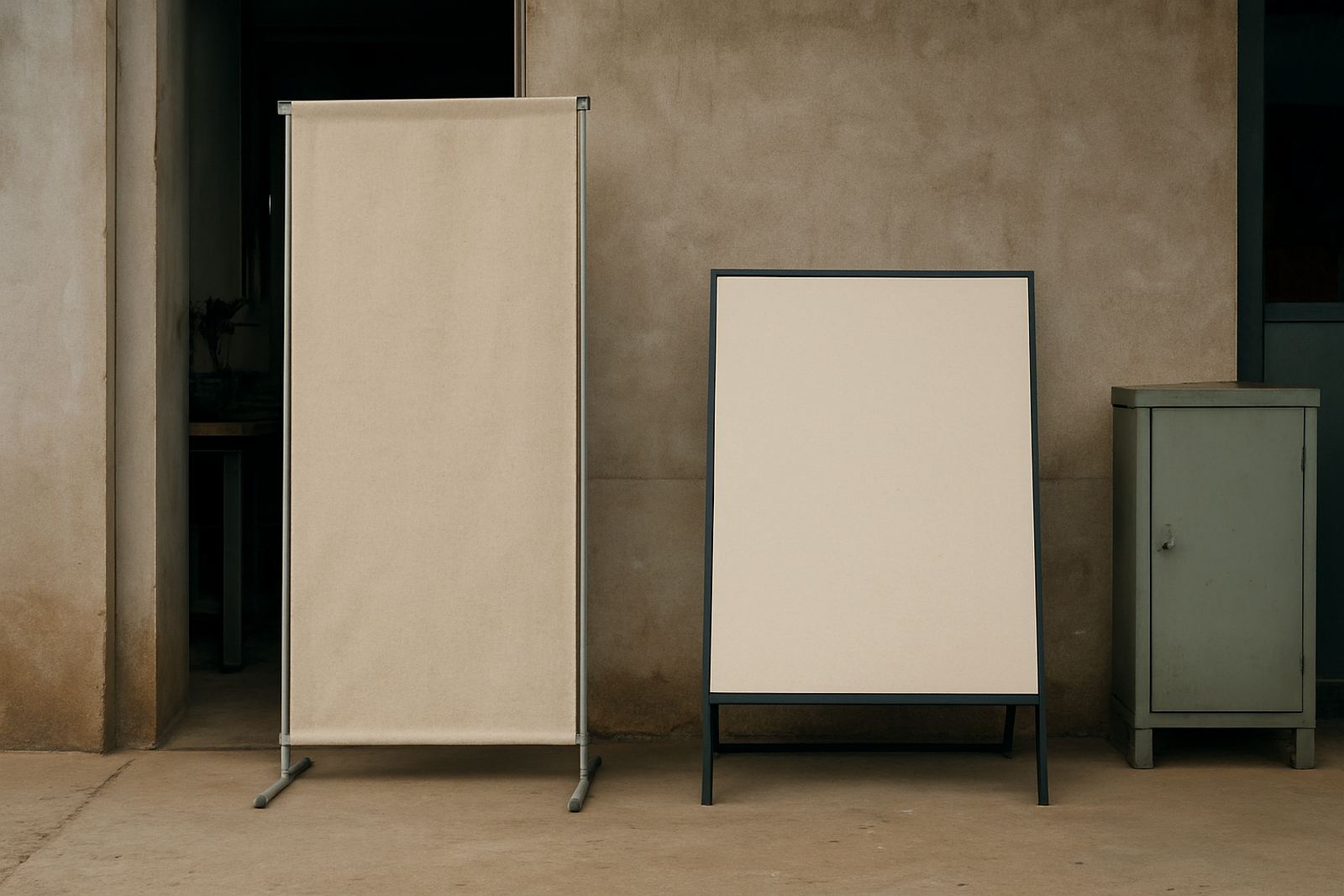
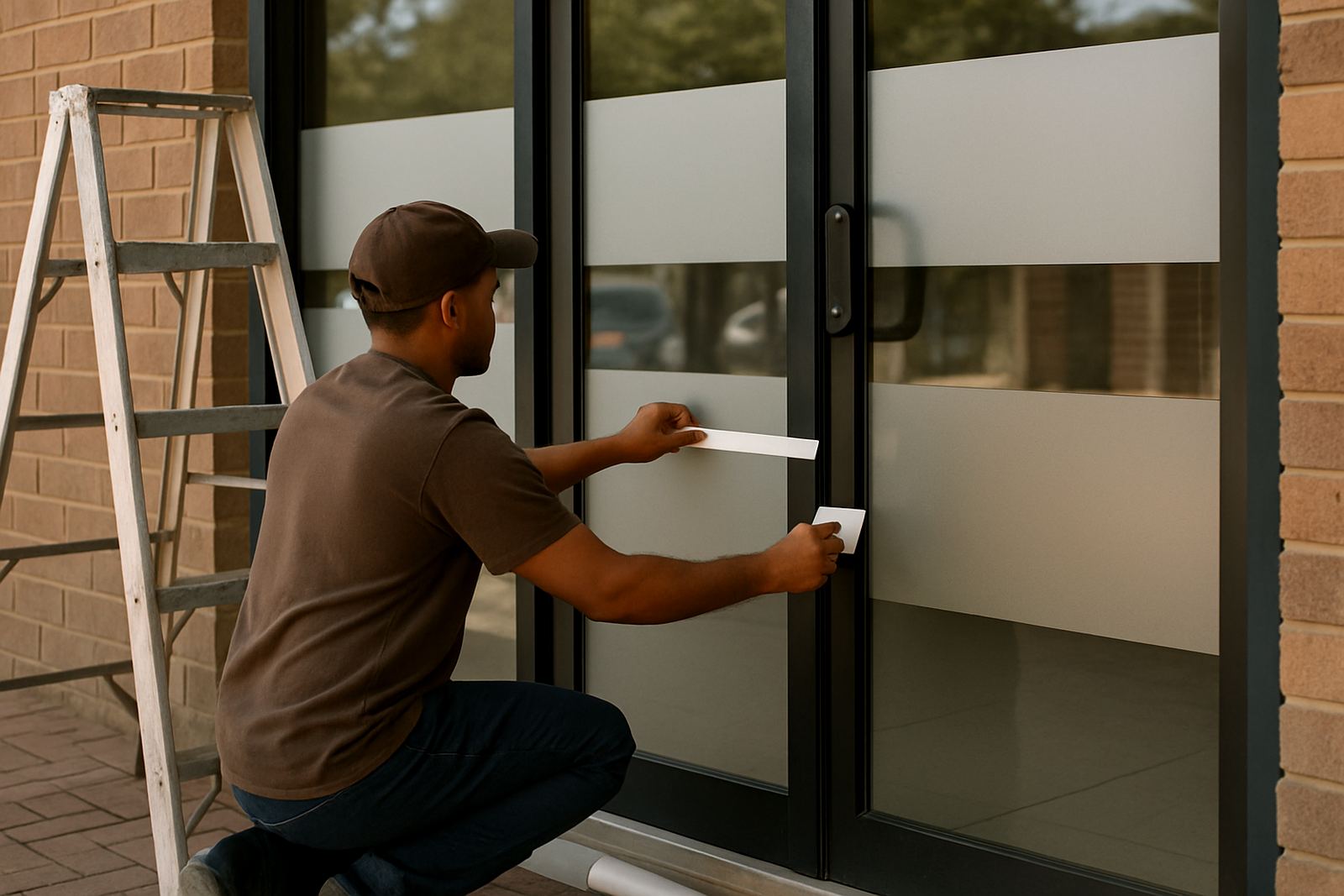
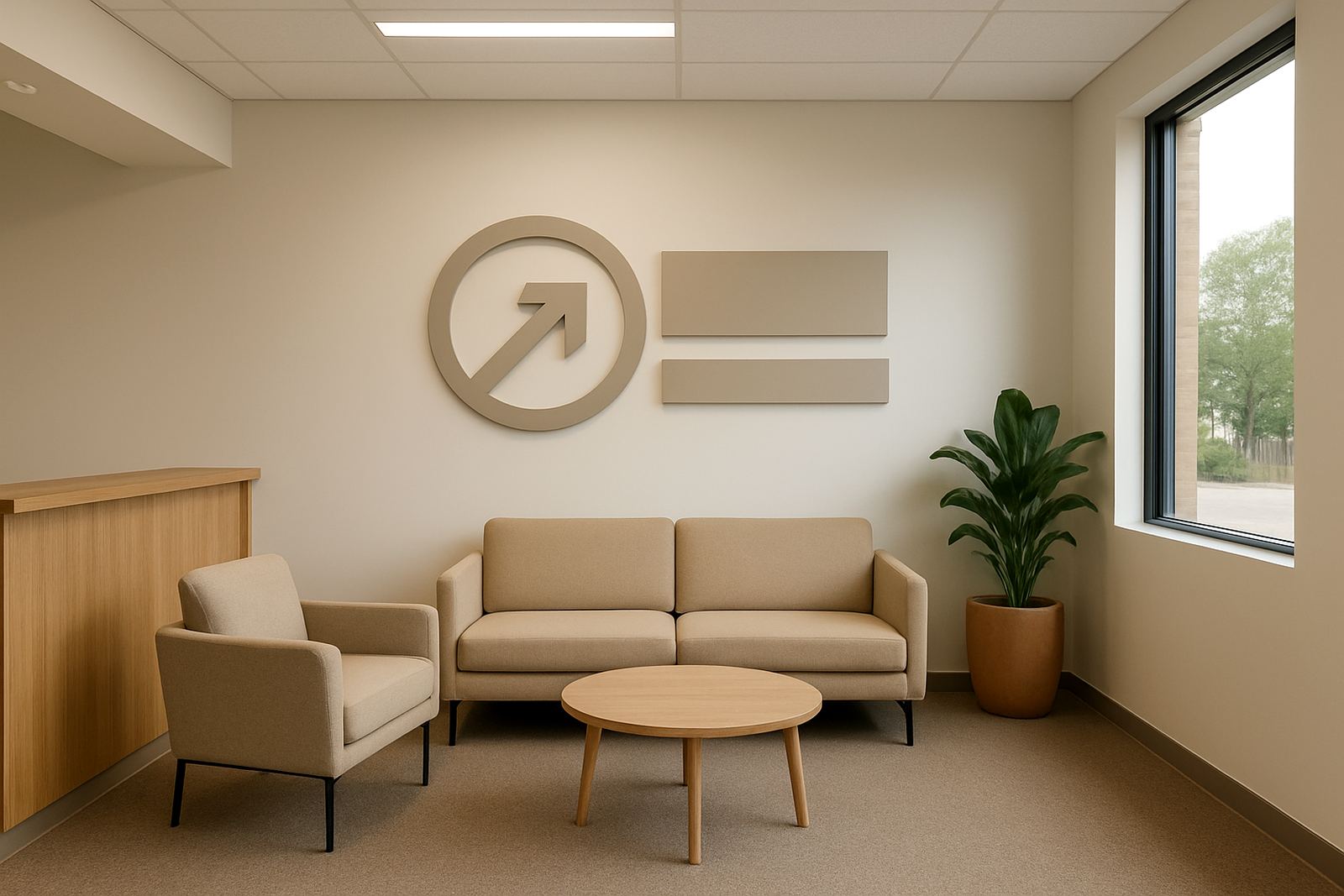
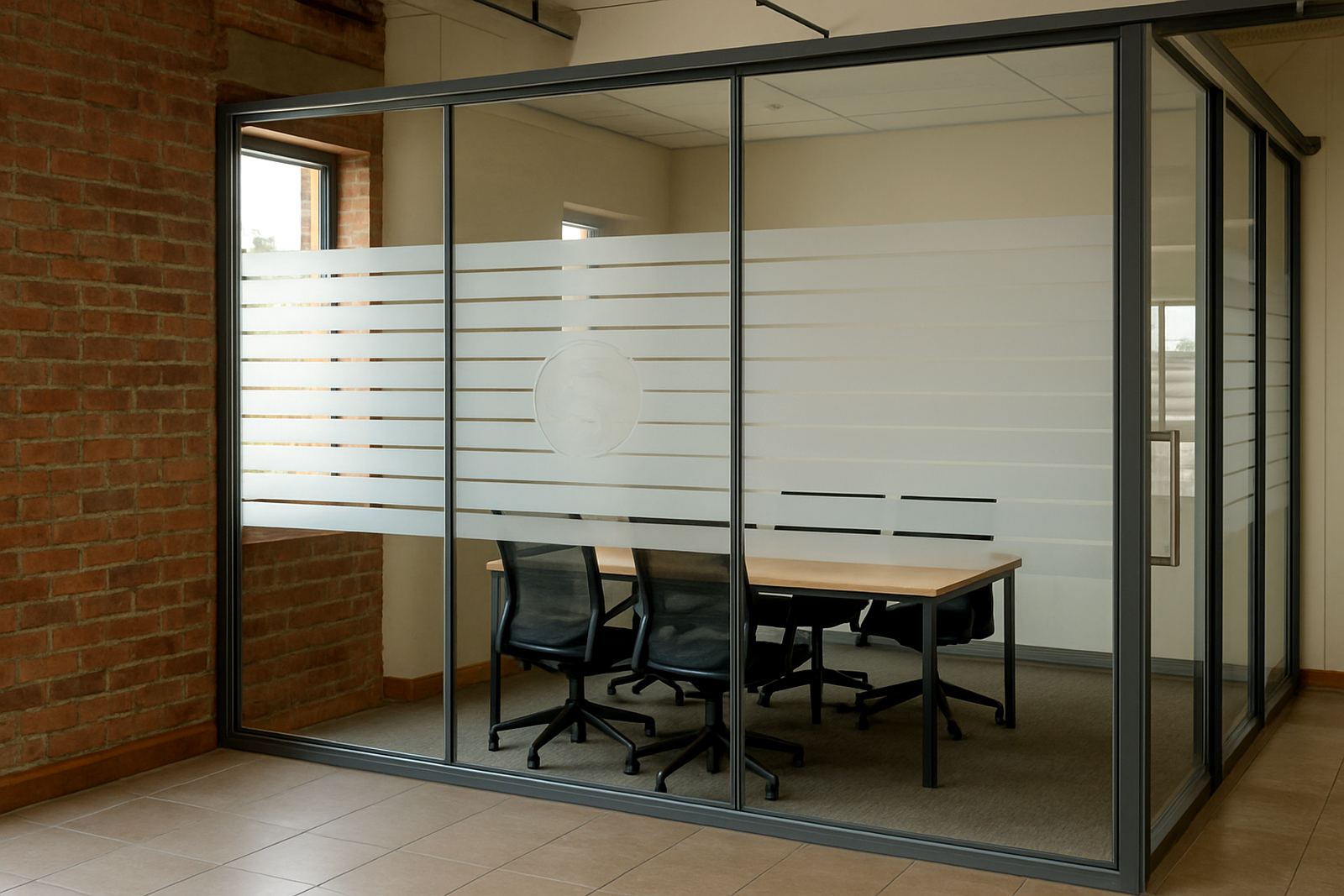
When planning a new sign, think about viewing distance, mounting surface, wind exposure and how often the message will change. That includes windows, walls, doors, floors, freestanding panels and vehicles. If the area gets morning sun or has load-shedding related lighting changes after dark, reflective film, internal lighting or stronger contrast may be worth the extra cost.
- Short distance viewing: vinyl decals, cut lettering, indoor panels
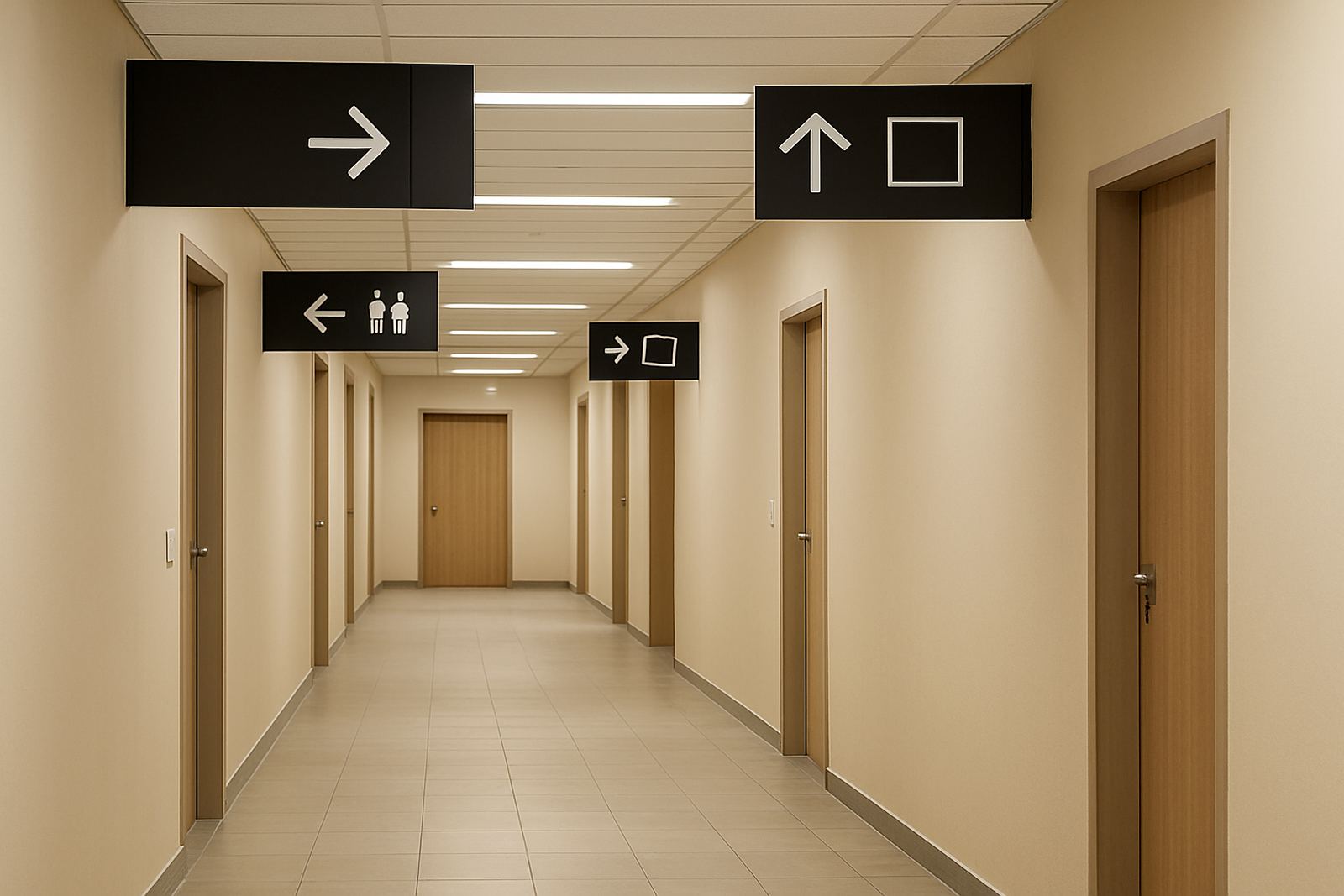
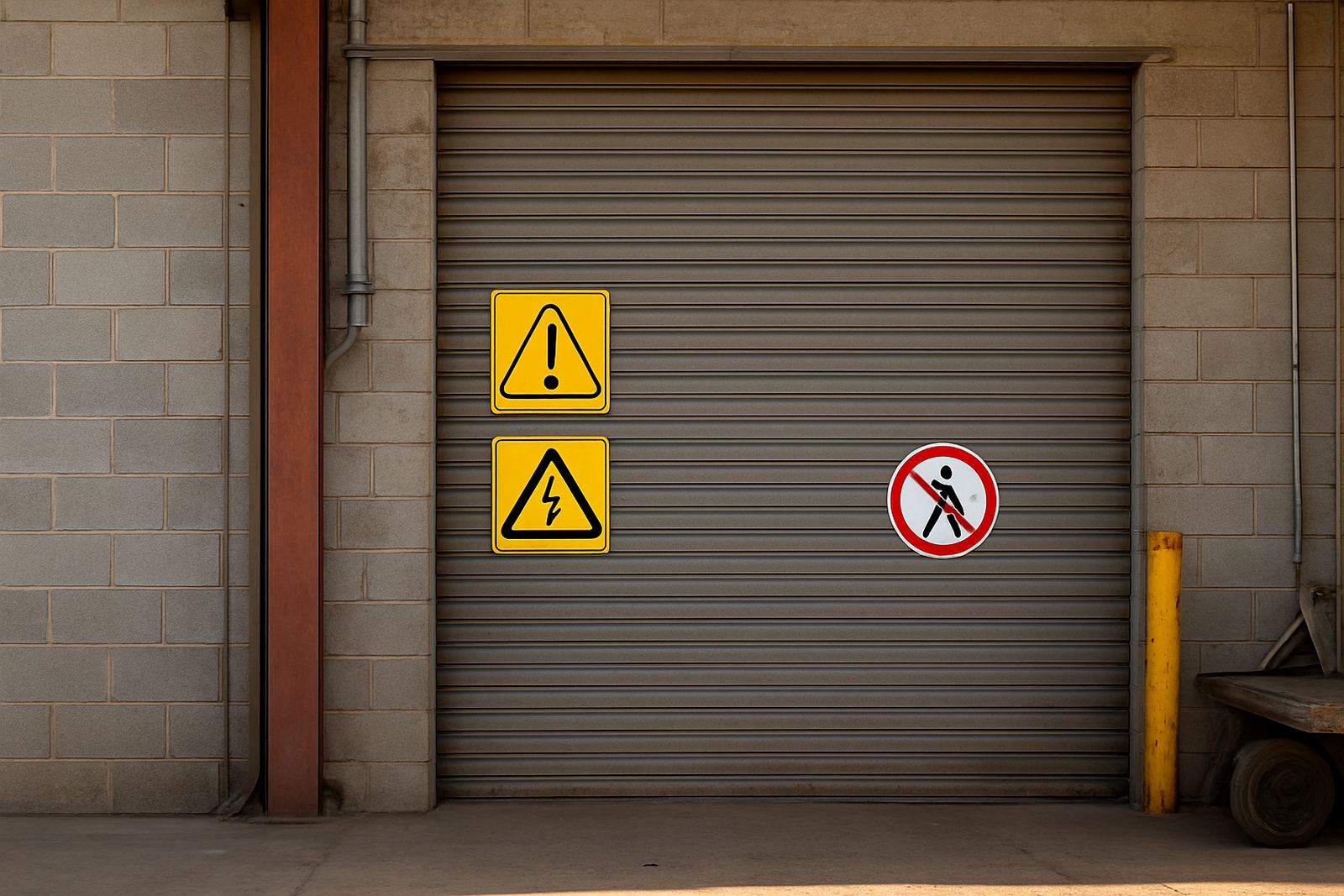
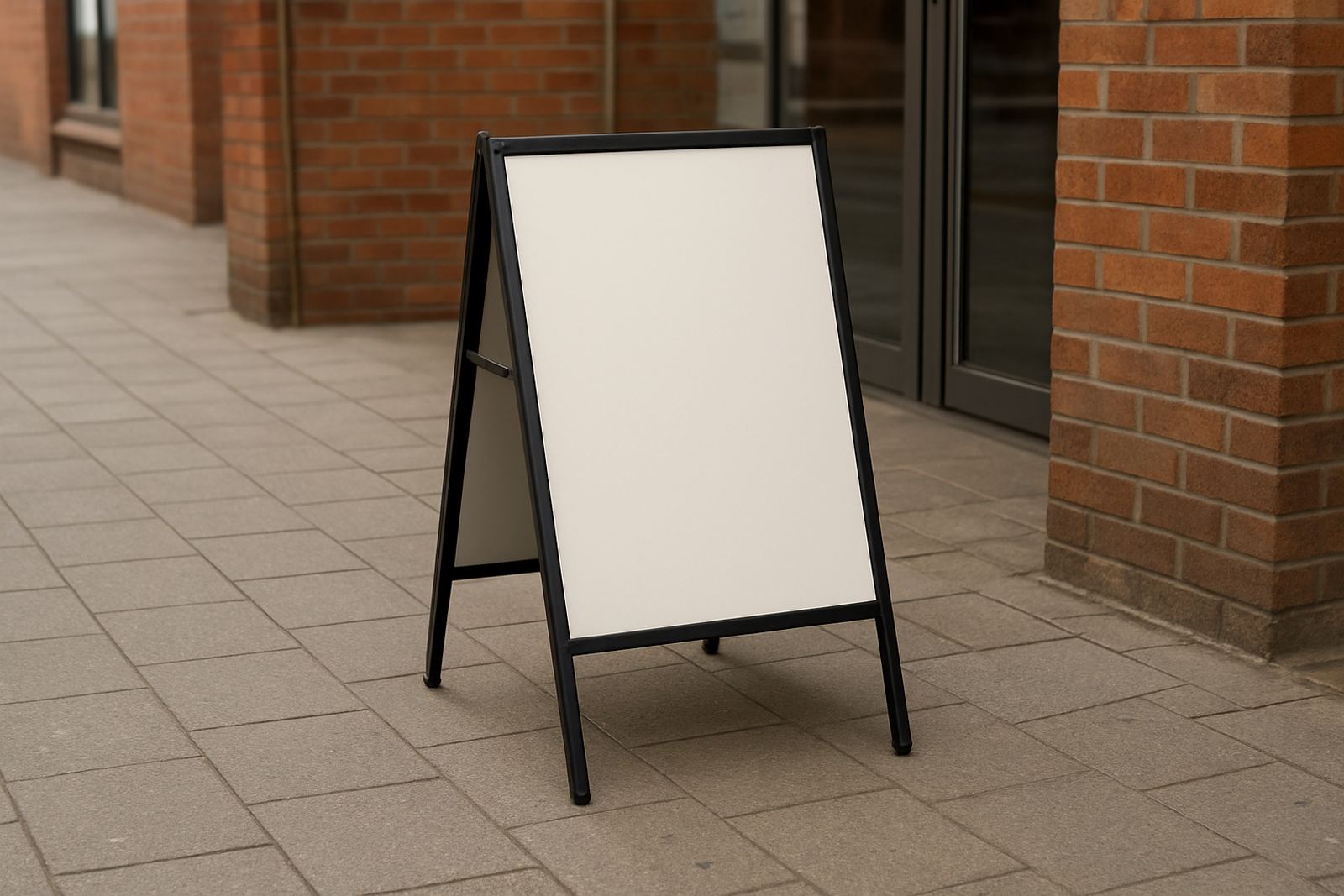
- Mid-range viewing: shop signs, printed panels, directional boards
- Long-range viewing: larger fascia signs, pylon style boards, vehicle graphics
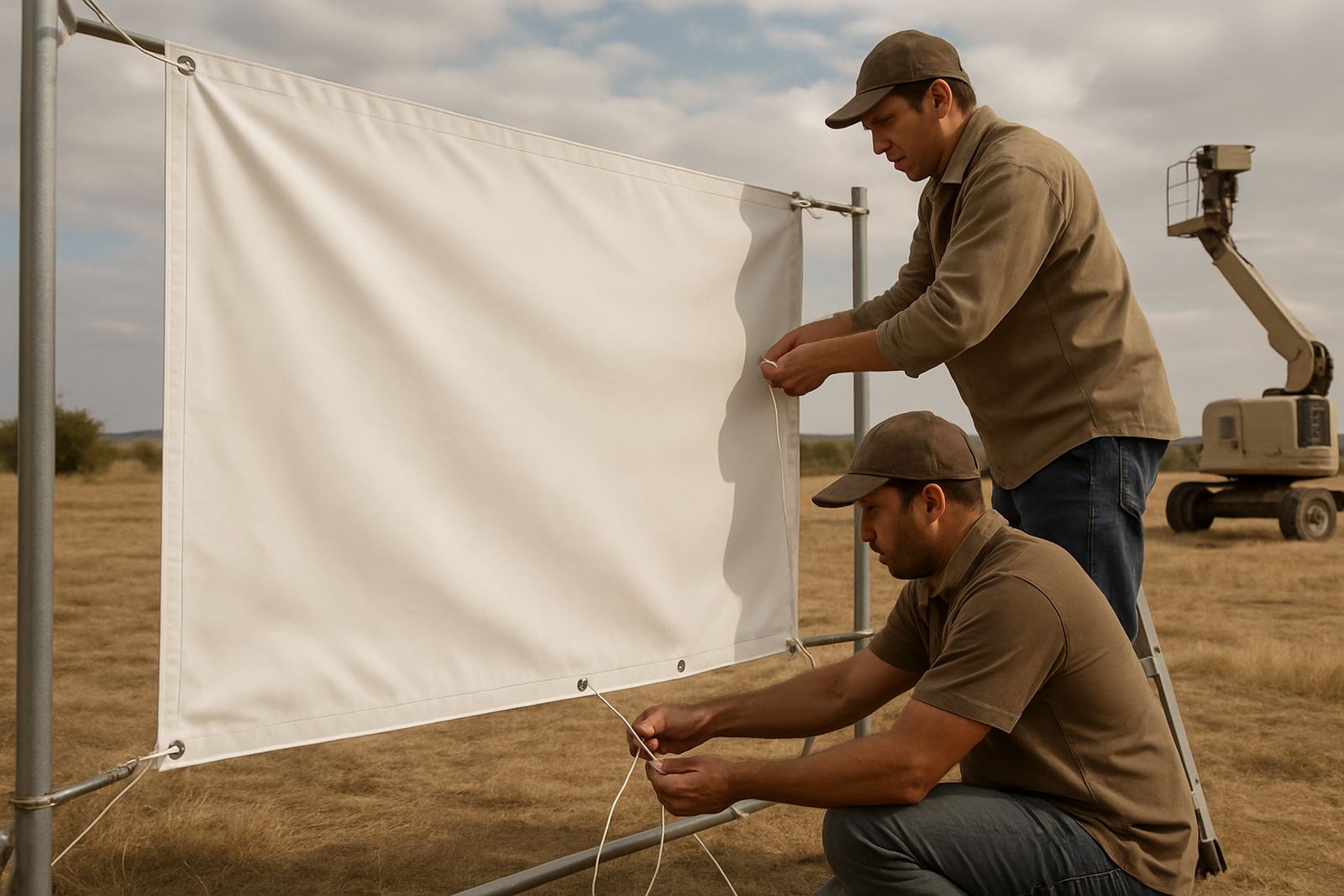
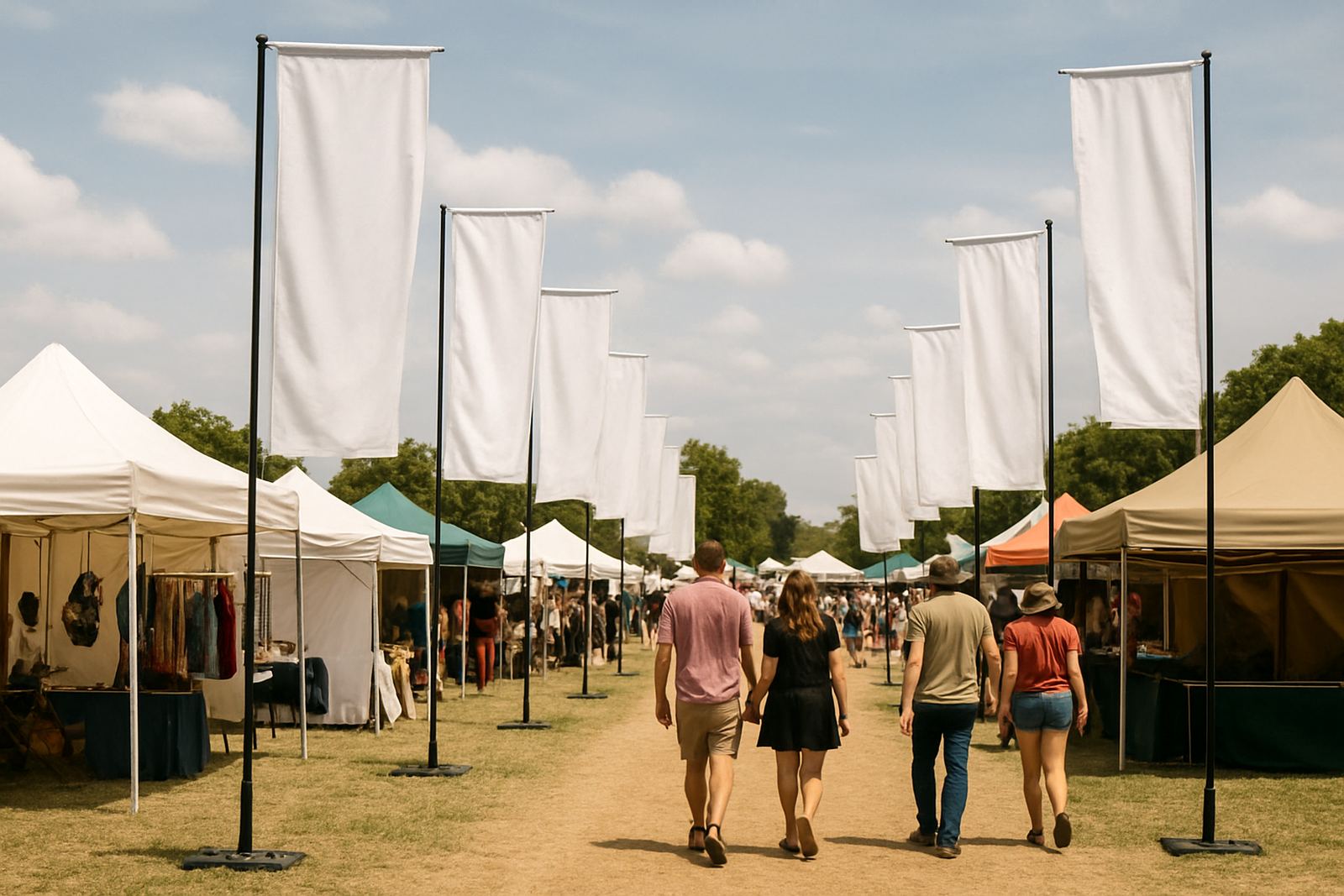
- Temporary use: banners and removable decals
Printing and cutting: what changes the final result
Artwork and production choices affect colour, clarity and lifespan. A logo redraw may be needed if the source file is fuzzy or if the original mark was made years ago in a format that no longer prints well. Clean artwork saves time, reduces reprints and gives better edge detail on small text and thin lines.
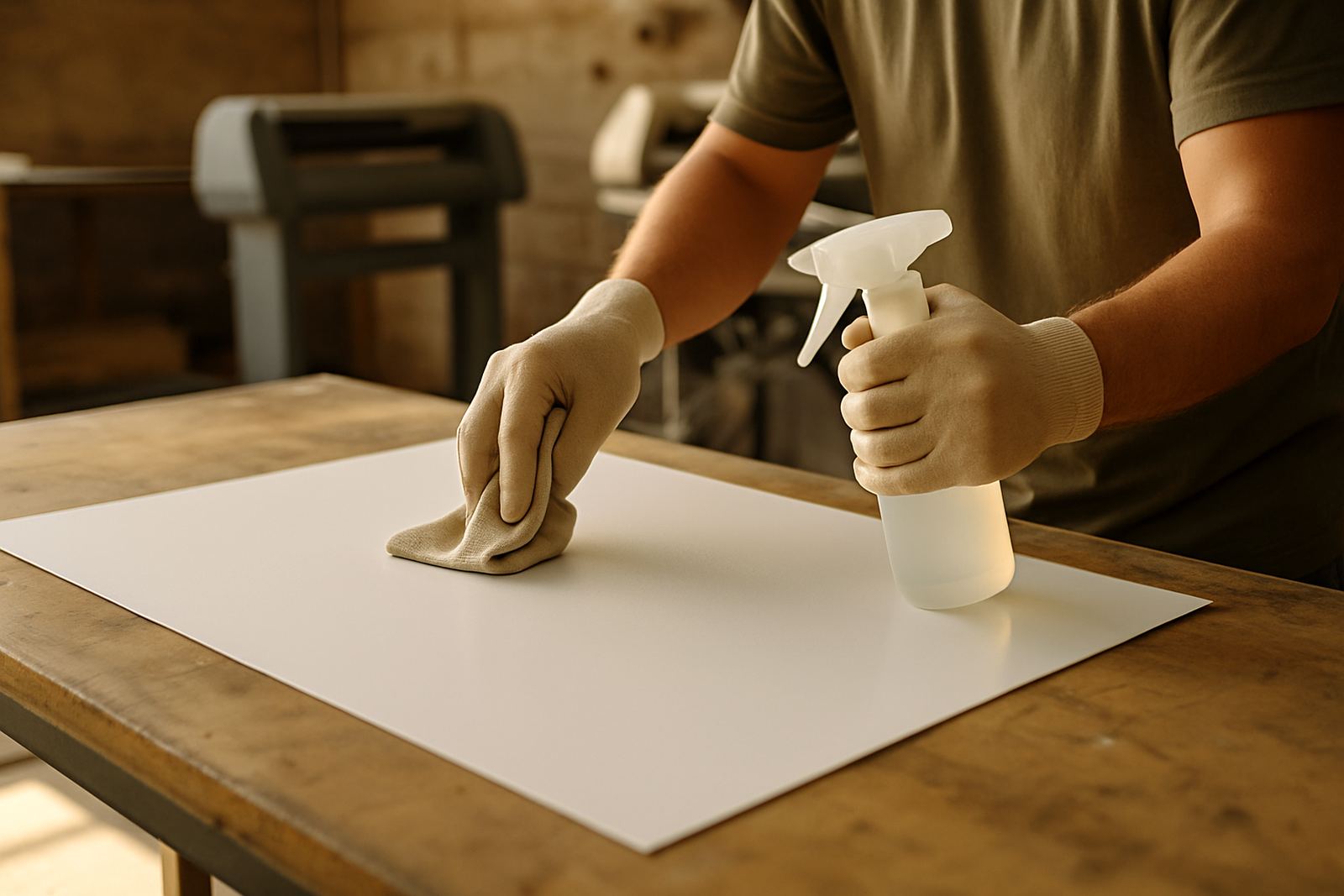
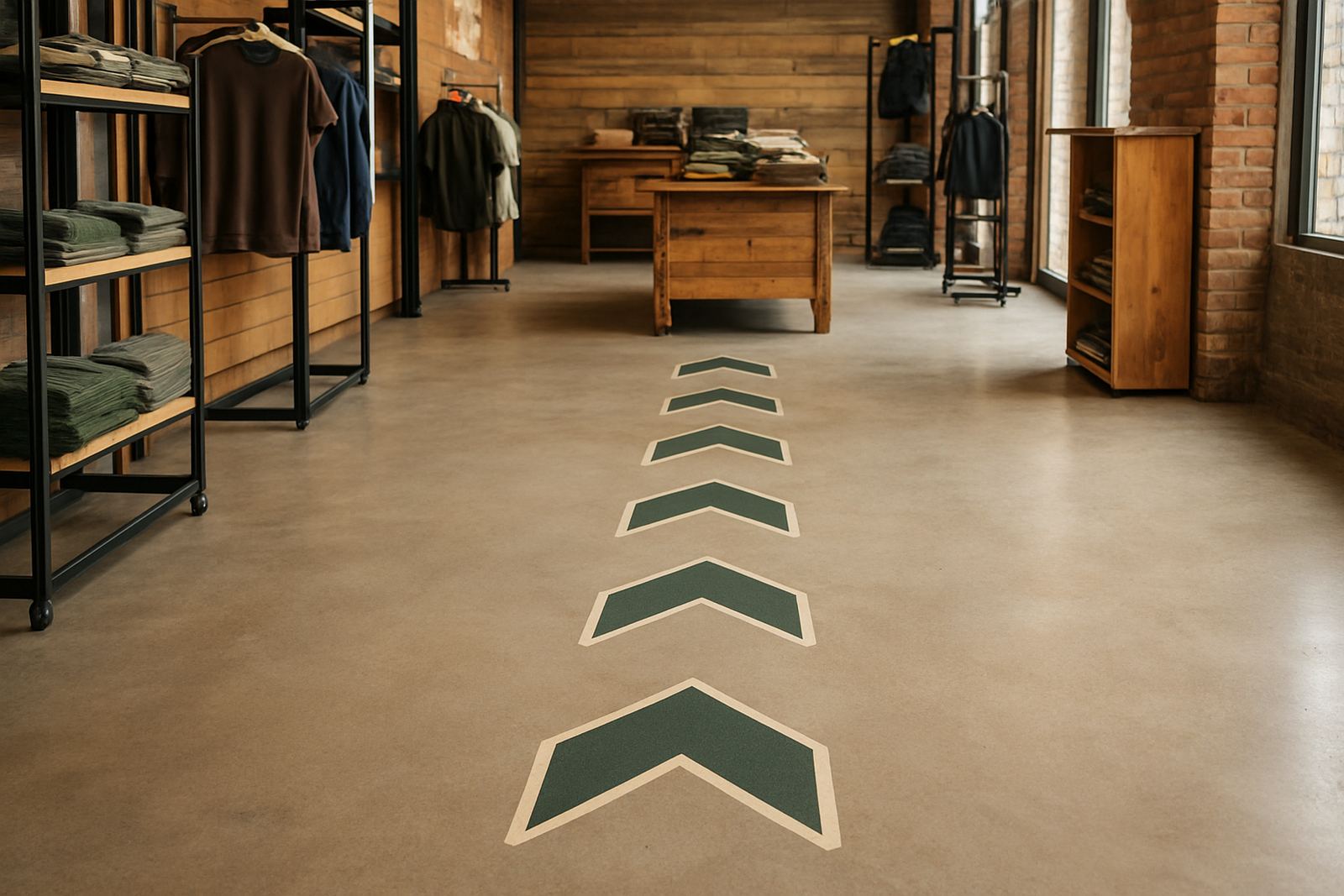
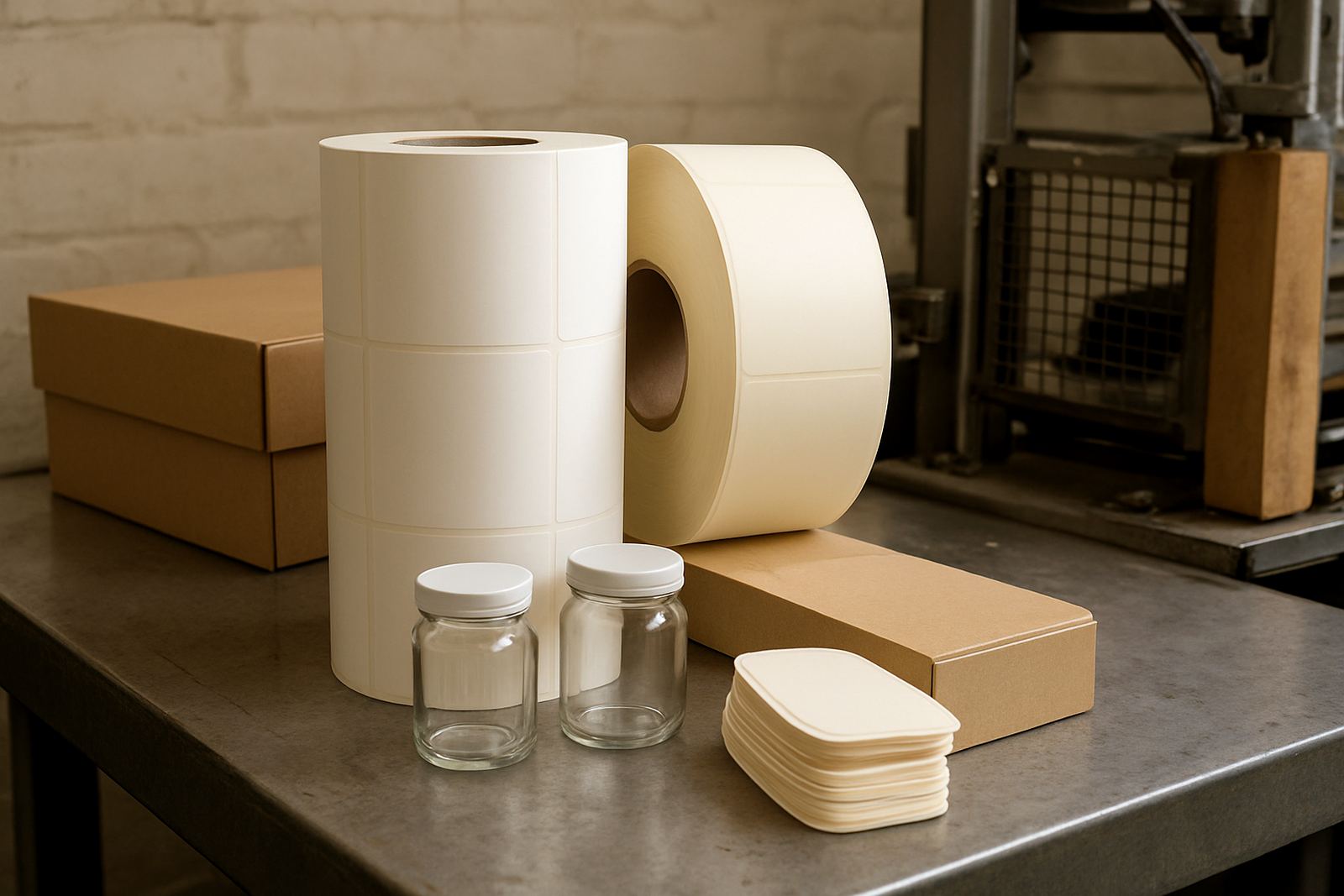
Our articles also cover the practical side of print production, vinyl cutting and graphic lamination. In dry Free State weather, static and dust can affect application, while floor graphics need a different surface prep from wall decals. If a sign is going into a coastal area later on, the same materials may need a different film or seal, so it is worth asking before you order.
- Artwork setup for cleaner output and correct sizing
- Logo redraws for low-resolution files or old artwork
- Lamination for extra scuff resistance and easier cleaning
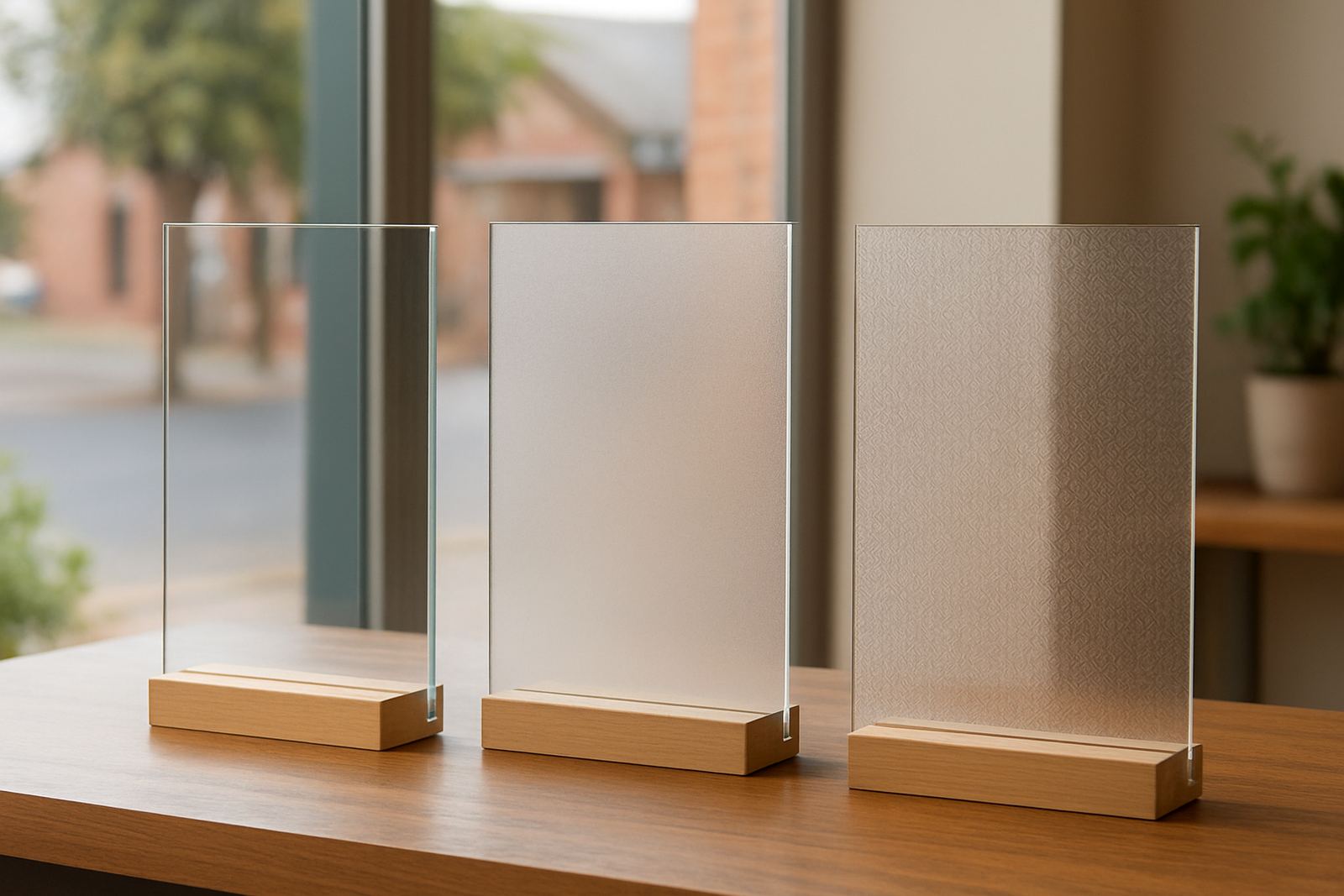
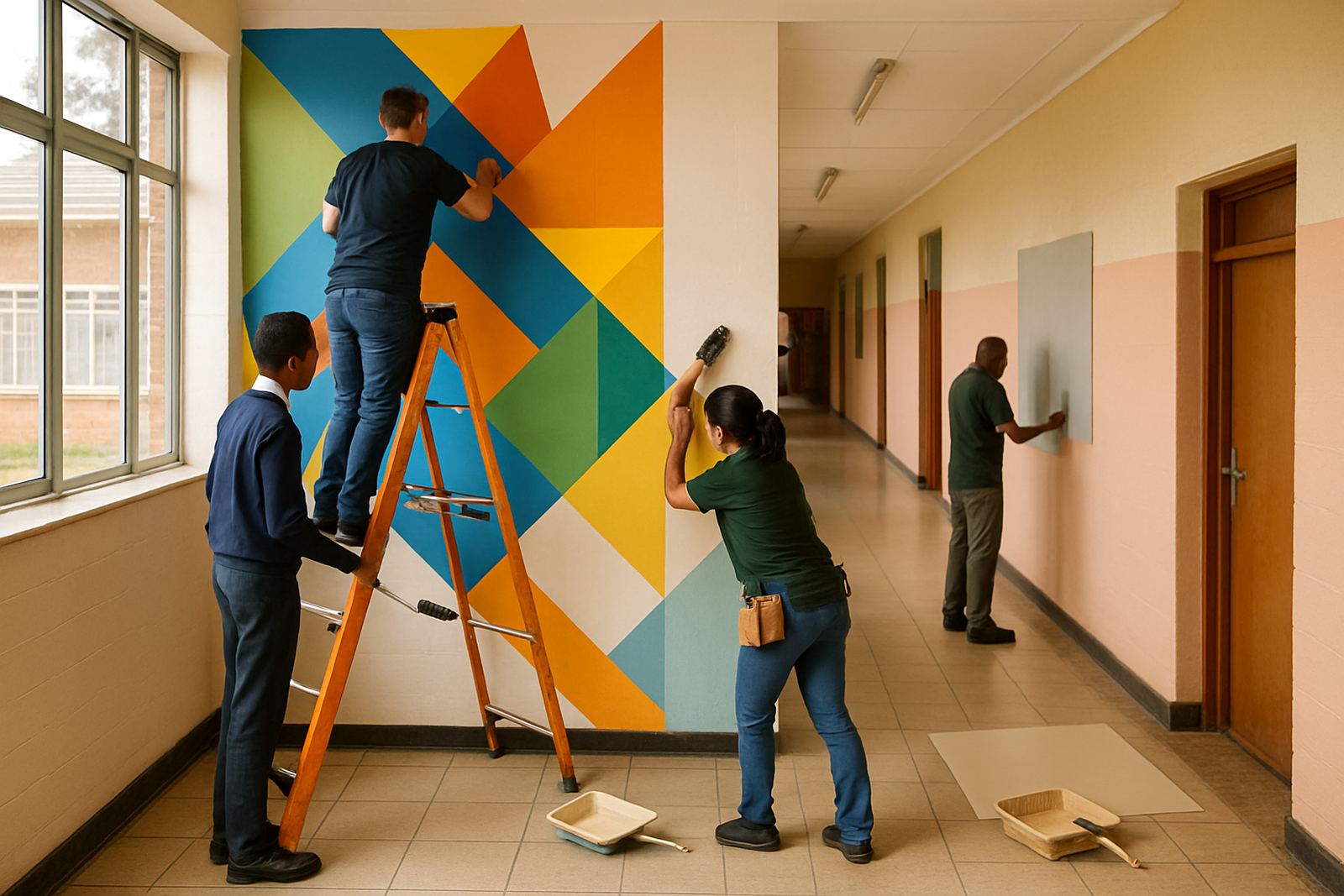
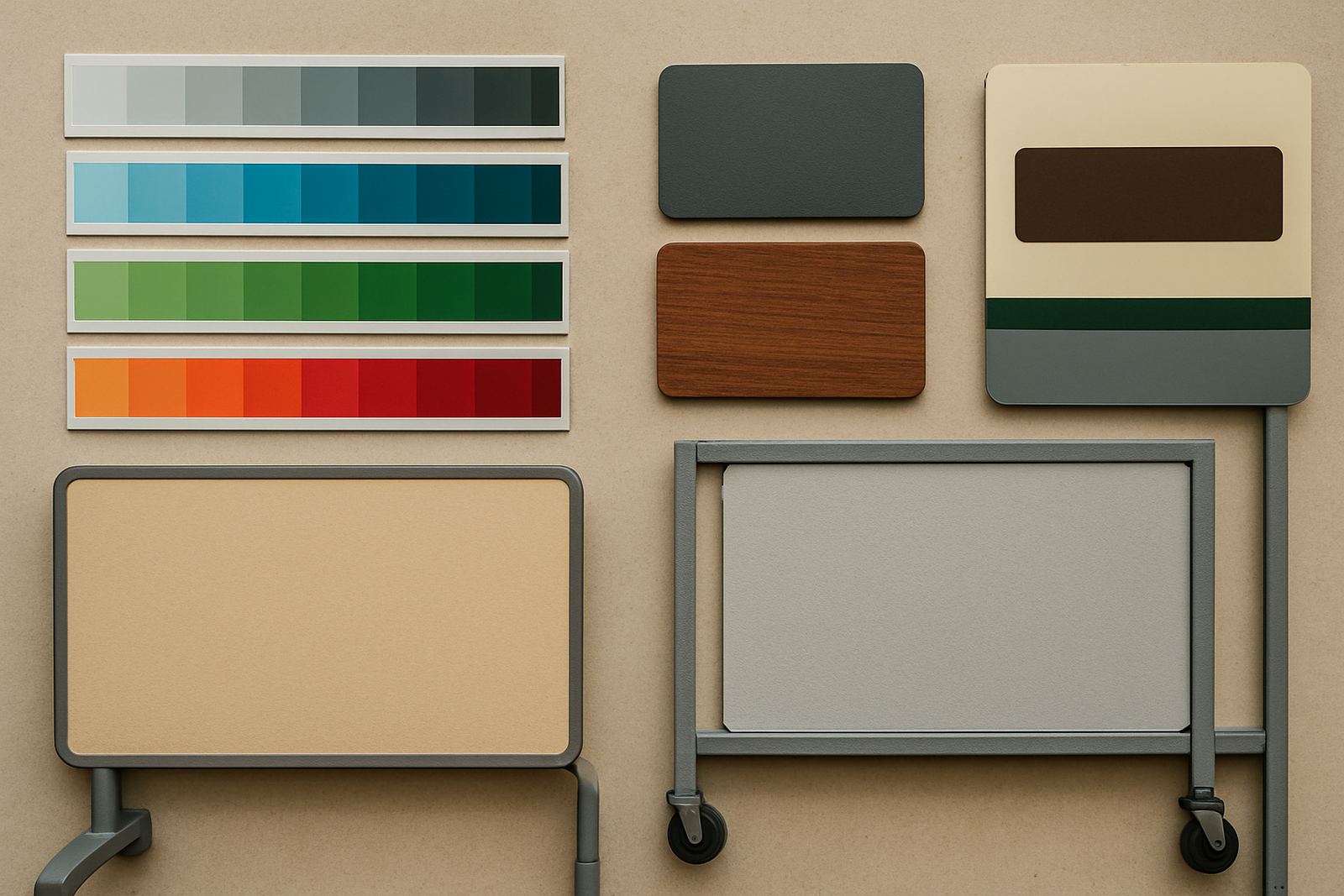
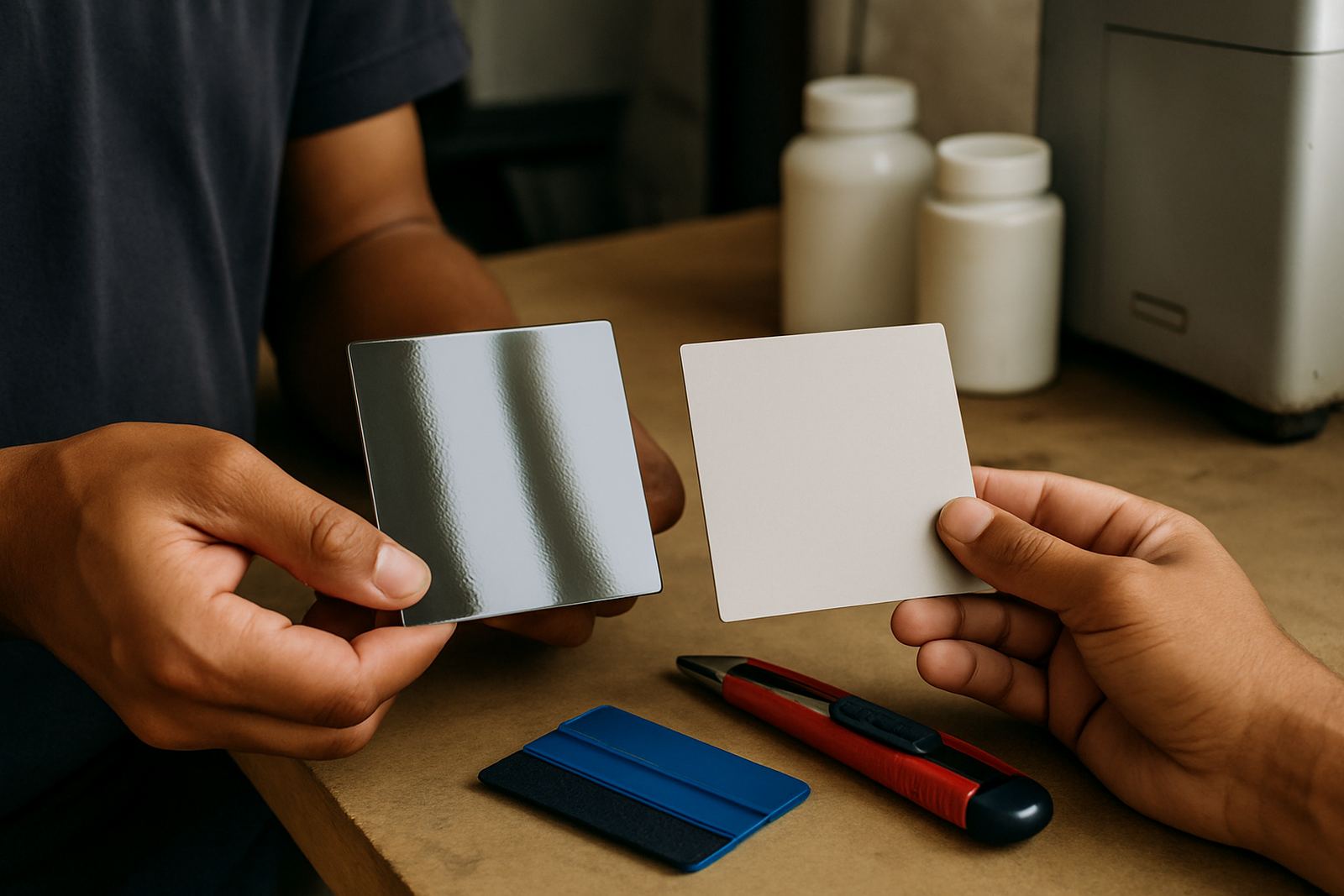
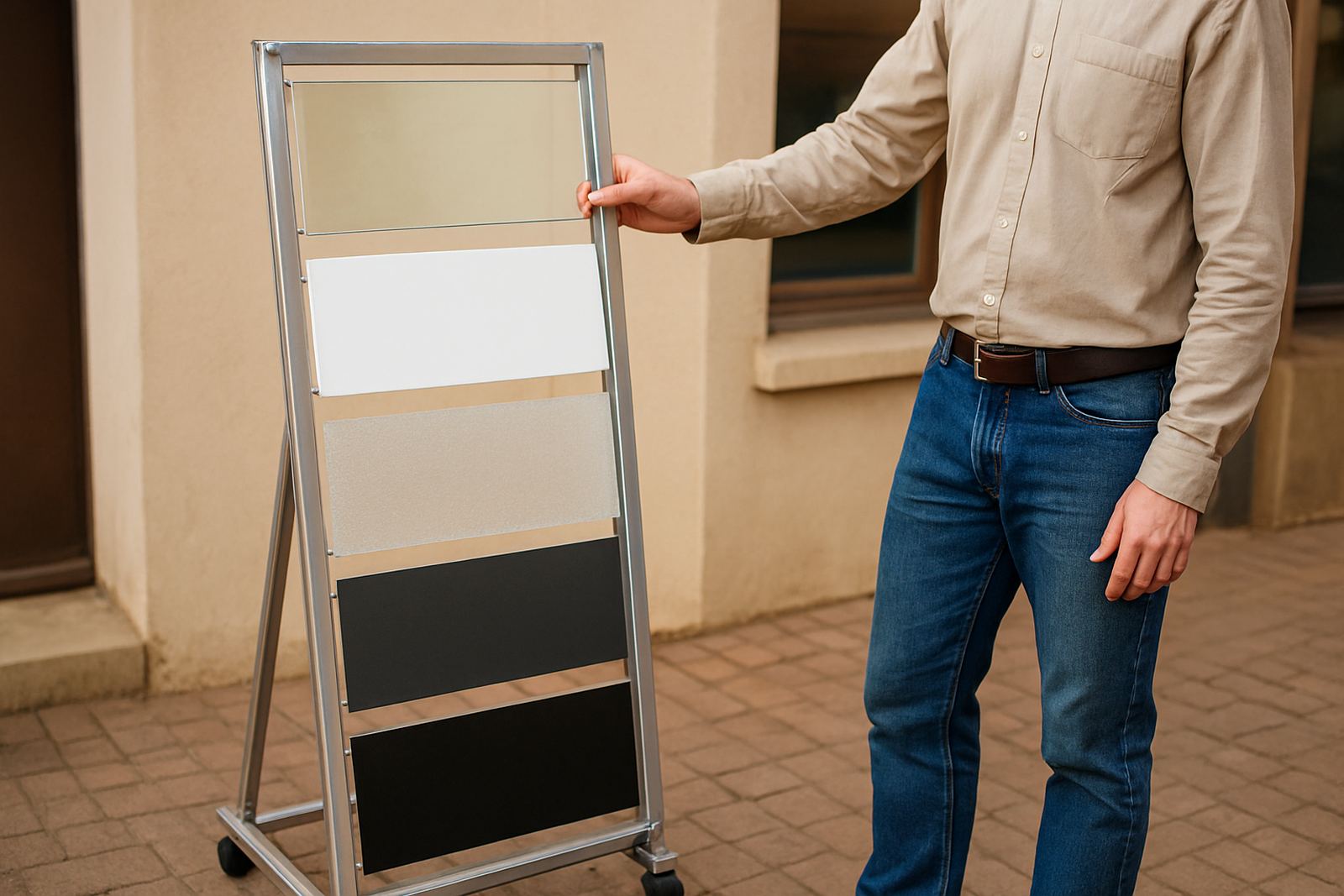
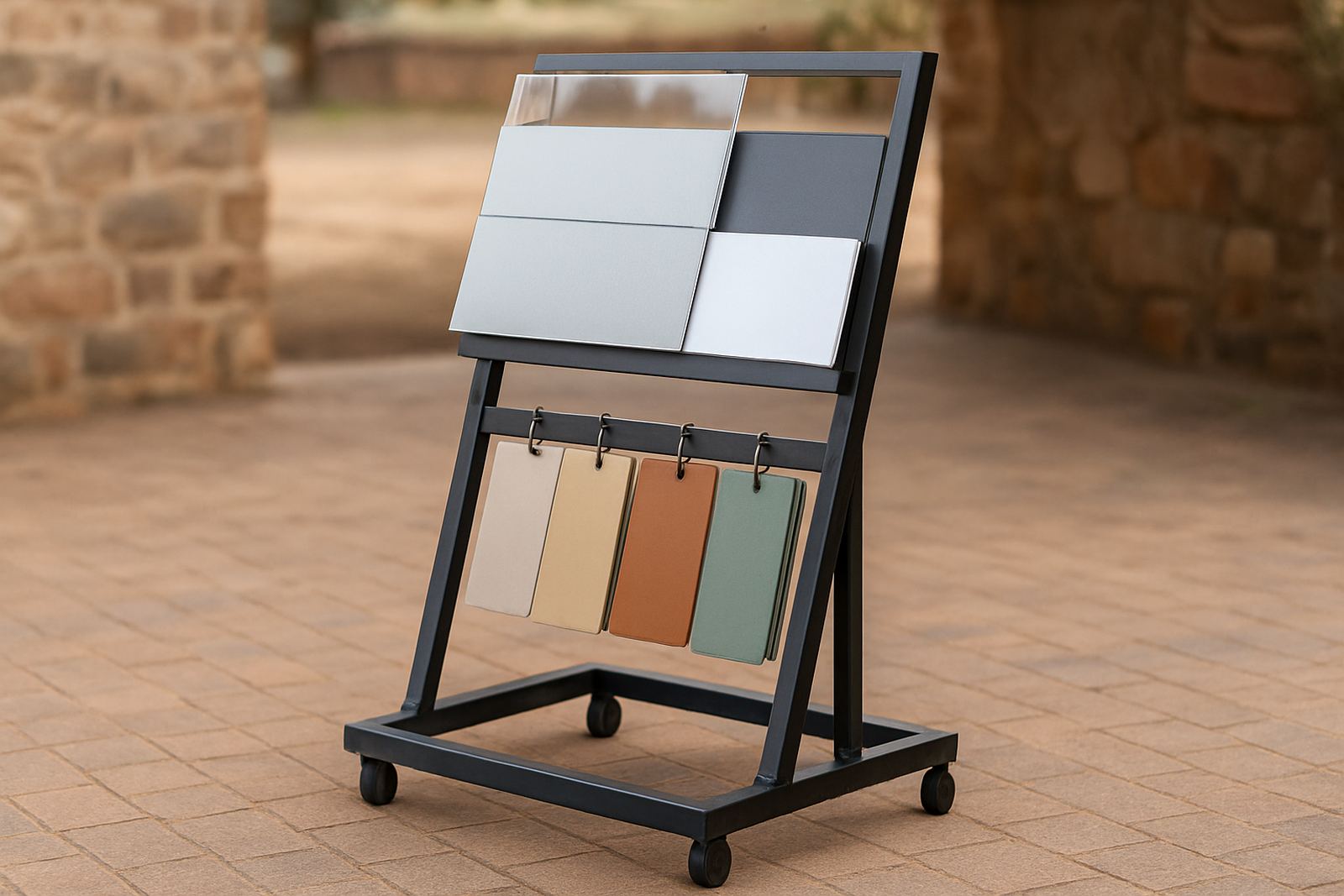
- Material choice for glass, painted walls, metal, perspex or floor tile
Installation notes for shops, vehicles and sites with access limits
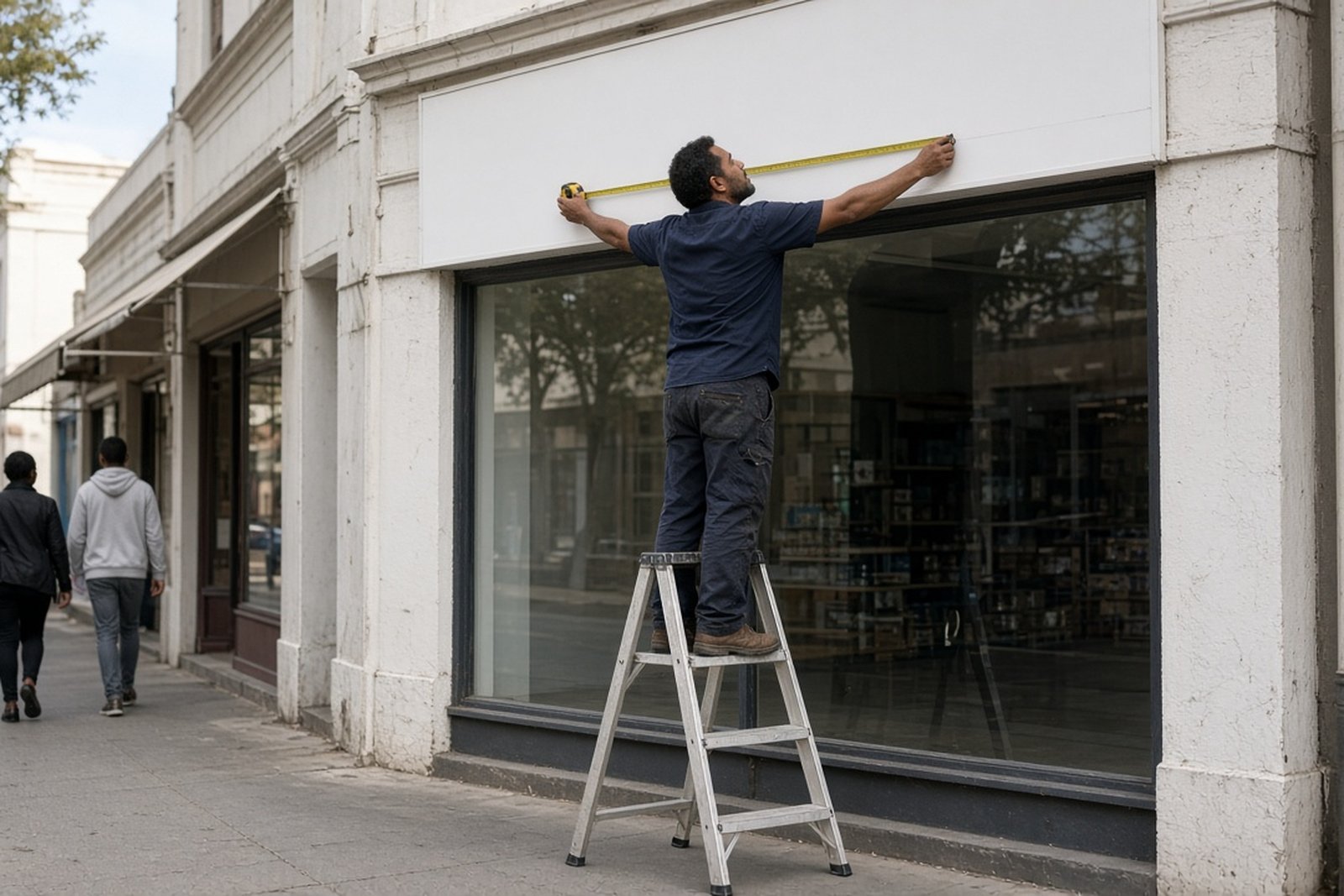
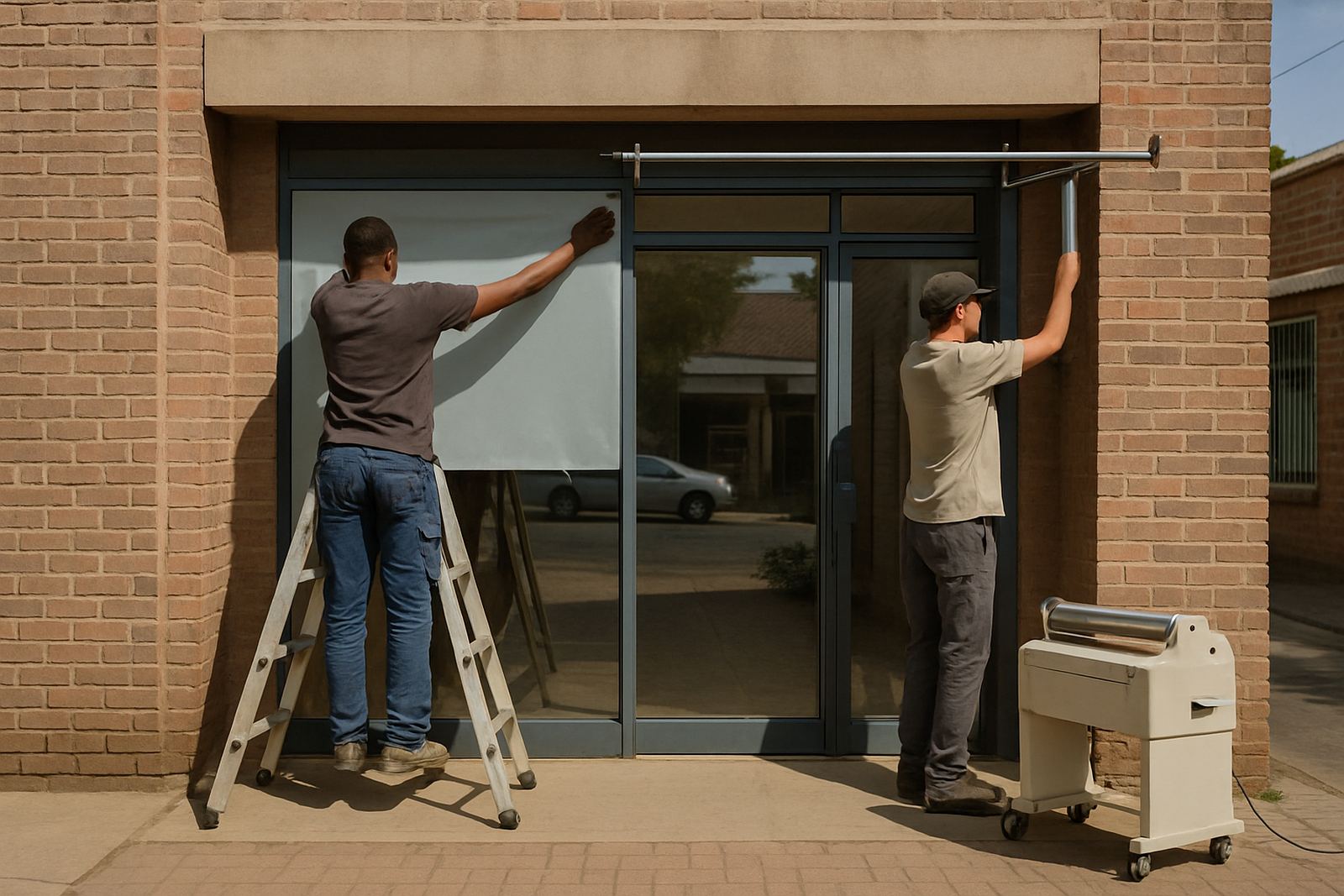
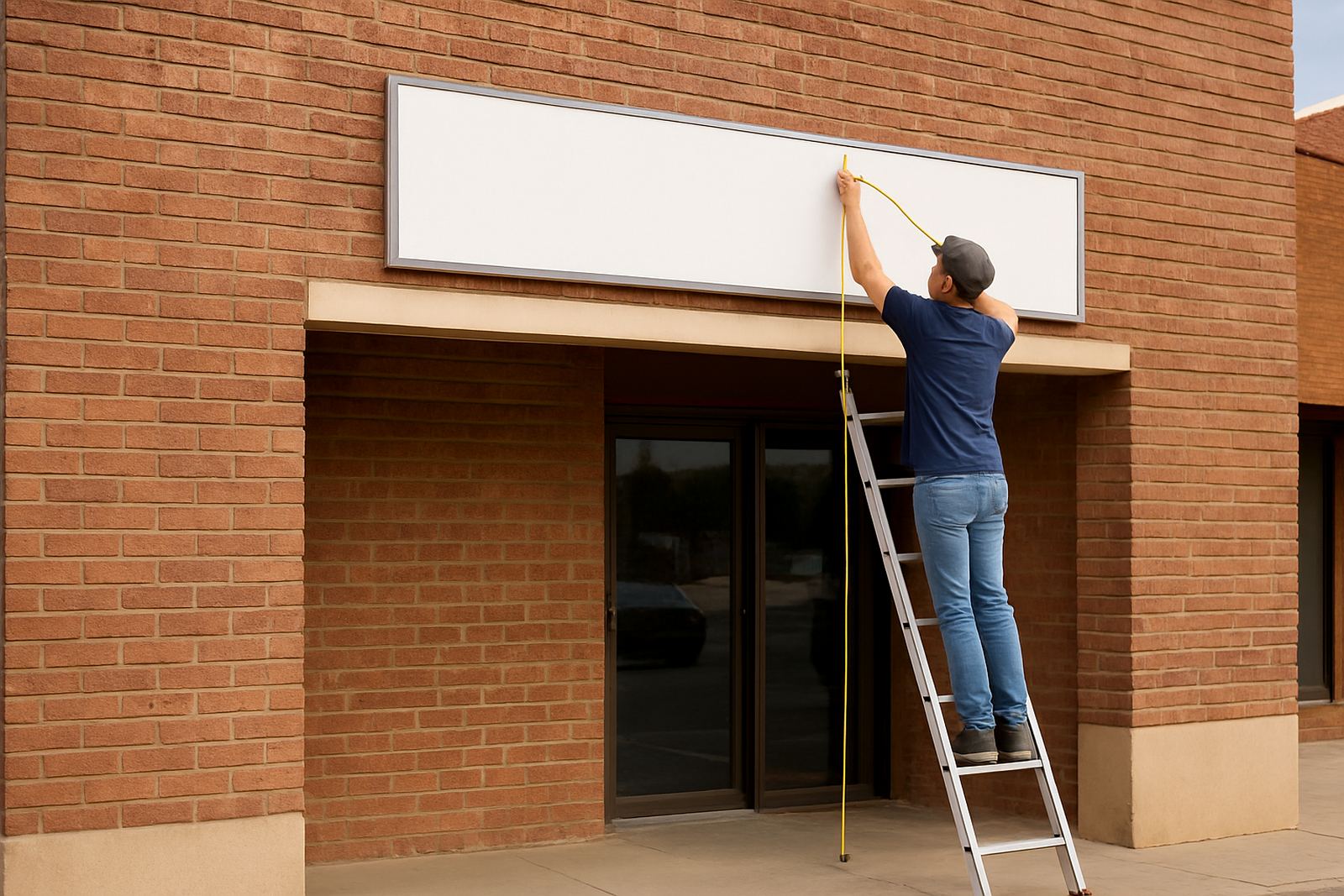
A good fit starts with a proper site survey. That means checking heights, access, substrate condition, and whether the surface is flat enough for long-term adhesion. In busy areas like Mangaung, Botshabelo, Thaba Nchu, Welkom and Kroonstad, timing can matter just as much as the sign itself. Some work needs early starts, a lift plan, or a quick installation window so trading is not disrupted.
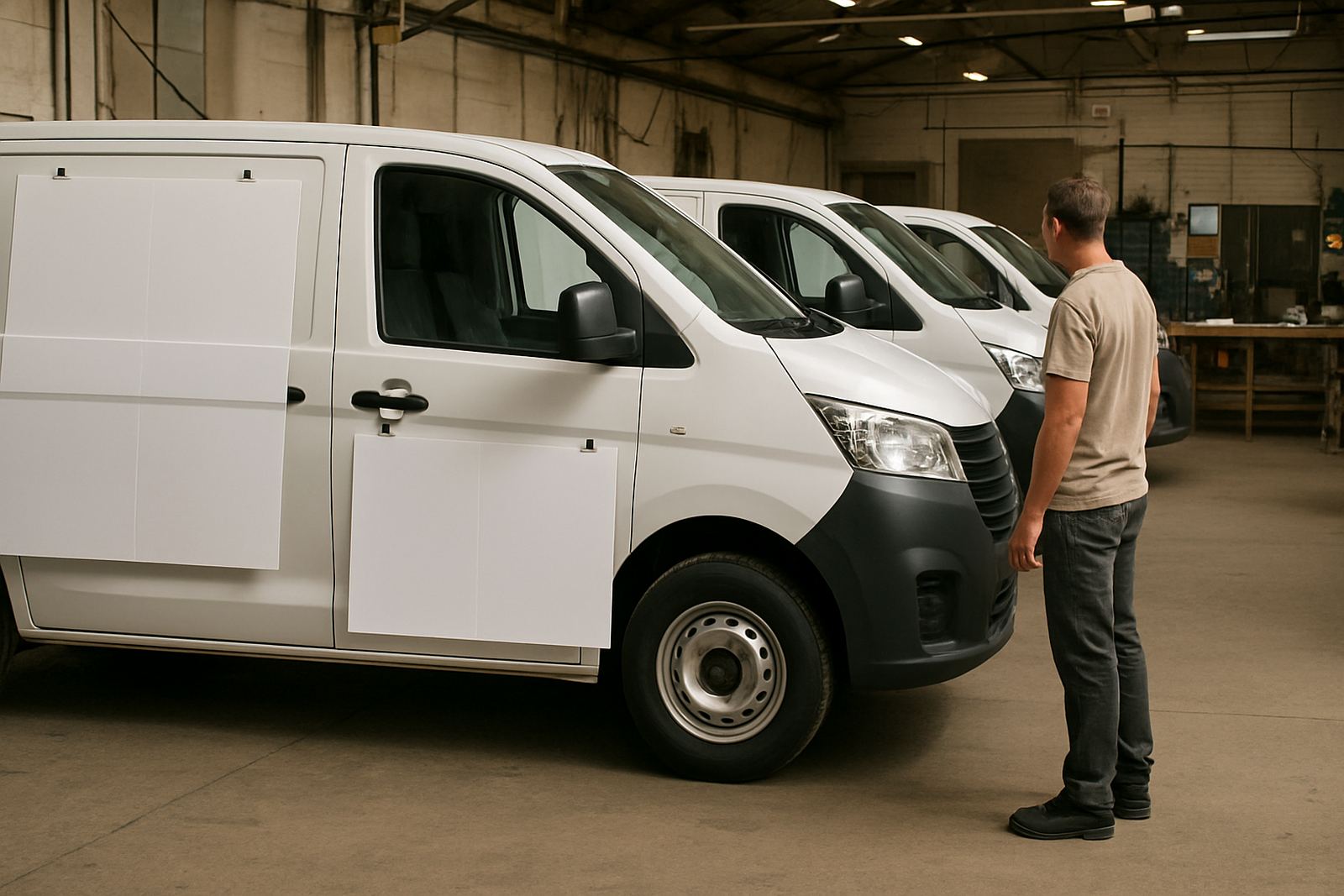
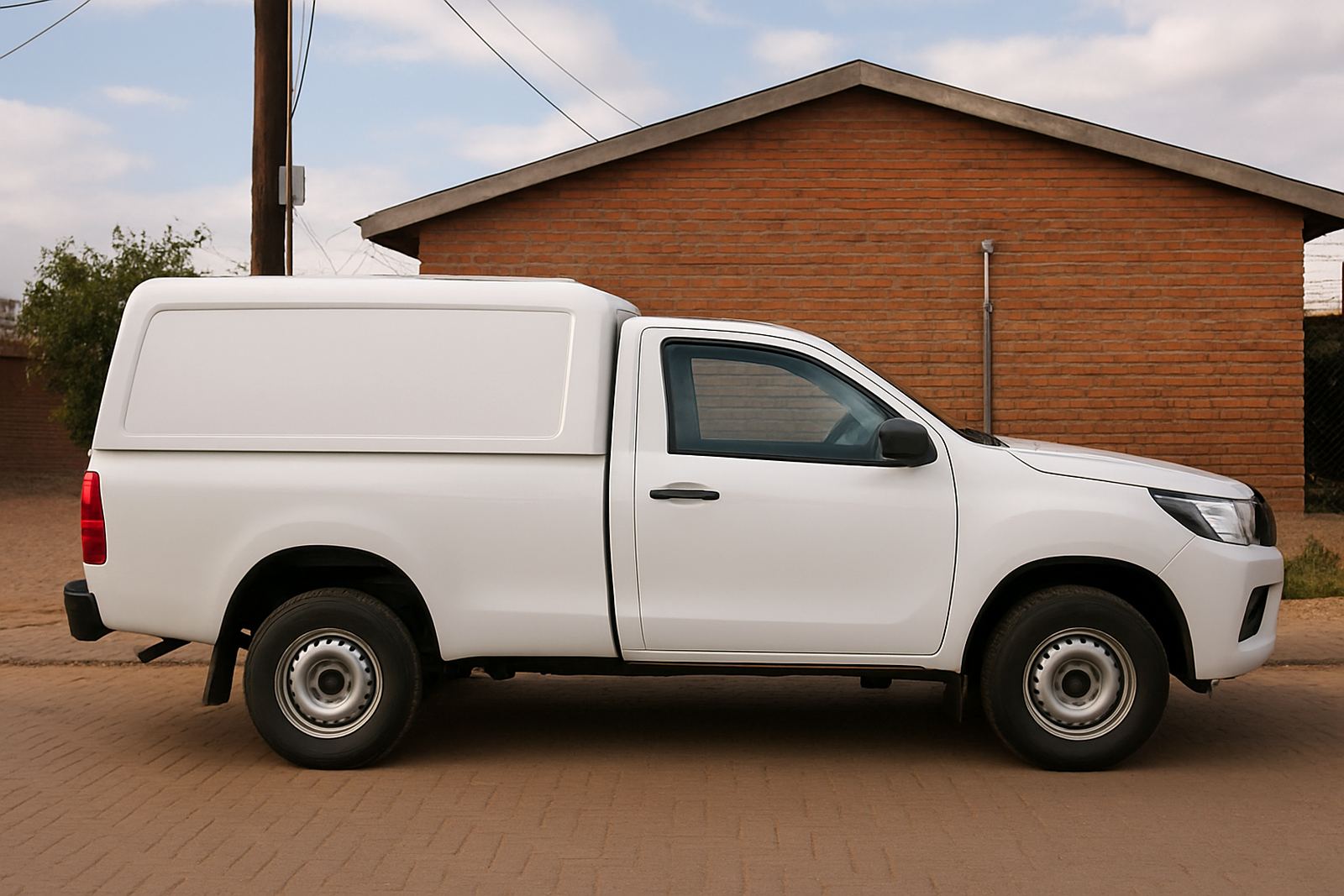
Vehicle graphics need a clean panel, correct curing time and careful placement around handles, curves and joints. For buses, bakkies and delivery vehicles, we look at how the vehicle is used every day, not just how it looks on paper. Poor prep leads to lifting corners, air pockets and peeling on the first wash, and that is money wasted.
- Check surface condition before fitting
- Allow for access, ladders, lifts or after-hours work
- Measure twice where doors, seams and curves are involved
- Plan around traffic, weather and business hours
Upkeep, refurbishment and when to replace
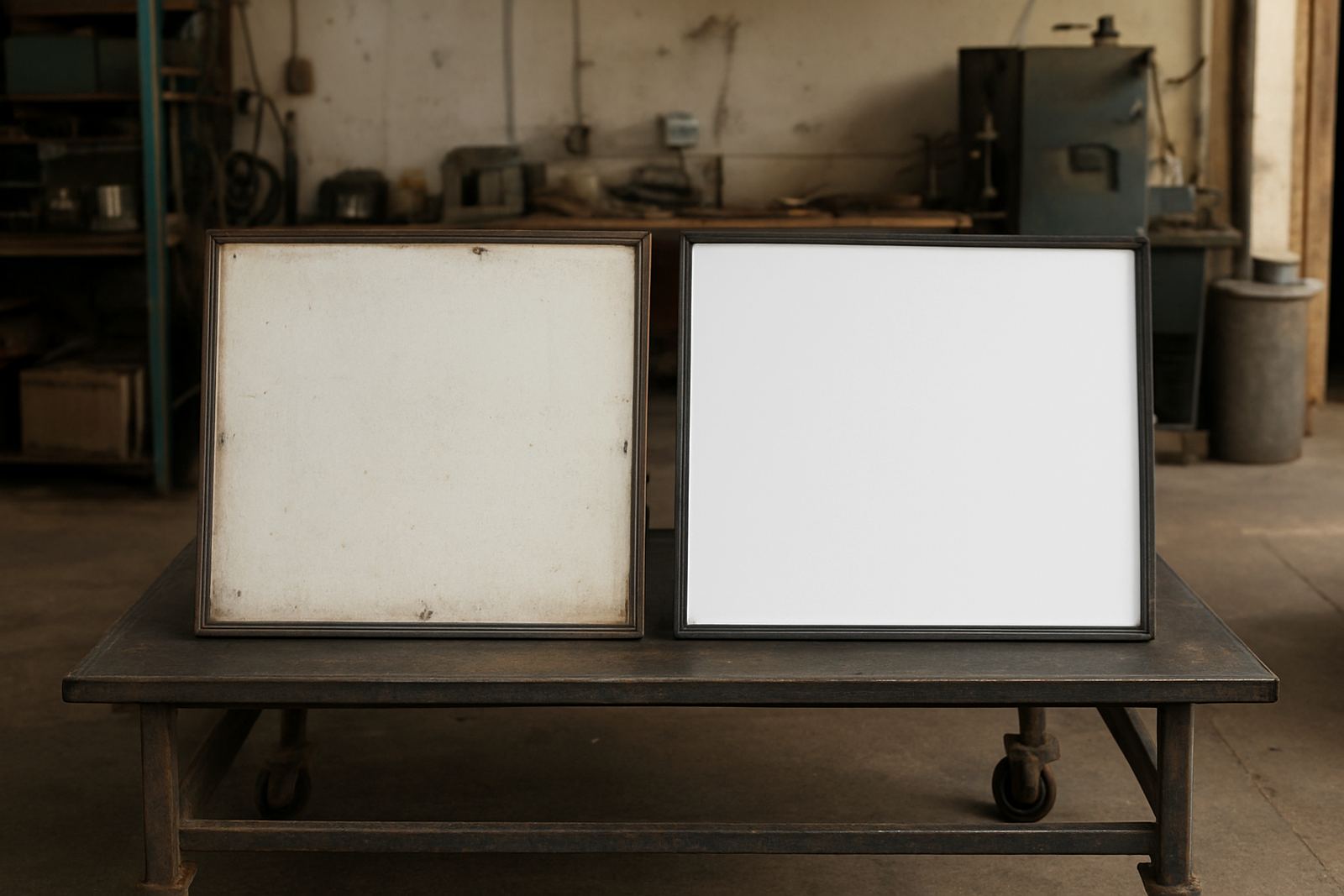
Signs do not fail all at once. Faded colour, cracked laminate, lifting edges and dirty backing boards are usually the first warning. A refurbished sign can often be brought back with replacement vinyl, fresh print, or a clean resurface instead of a full rebuild. That is especially useful when the frame is still sound but the message has changed.
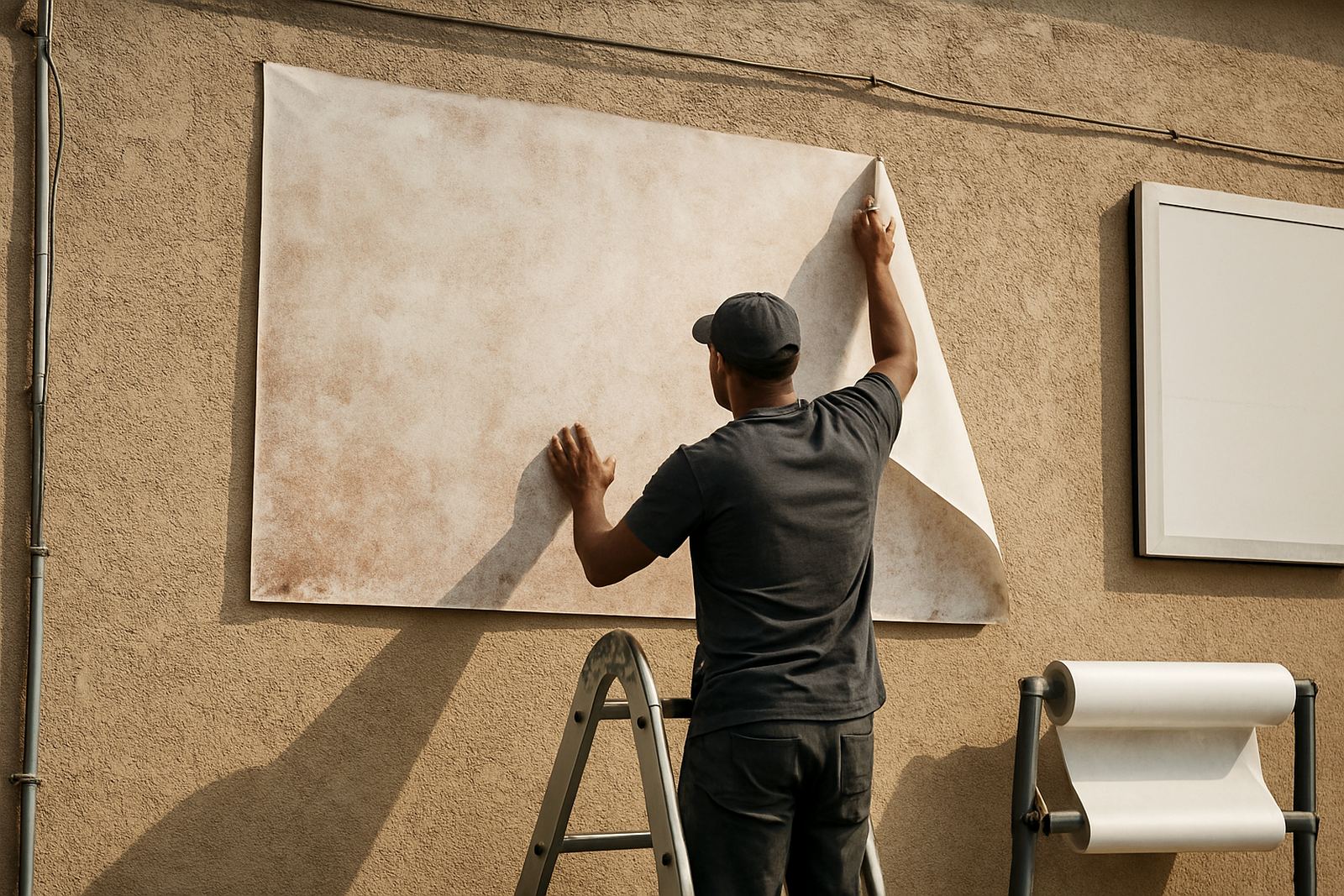
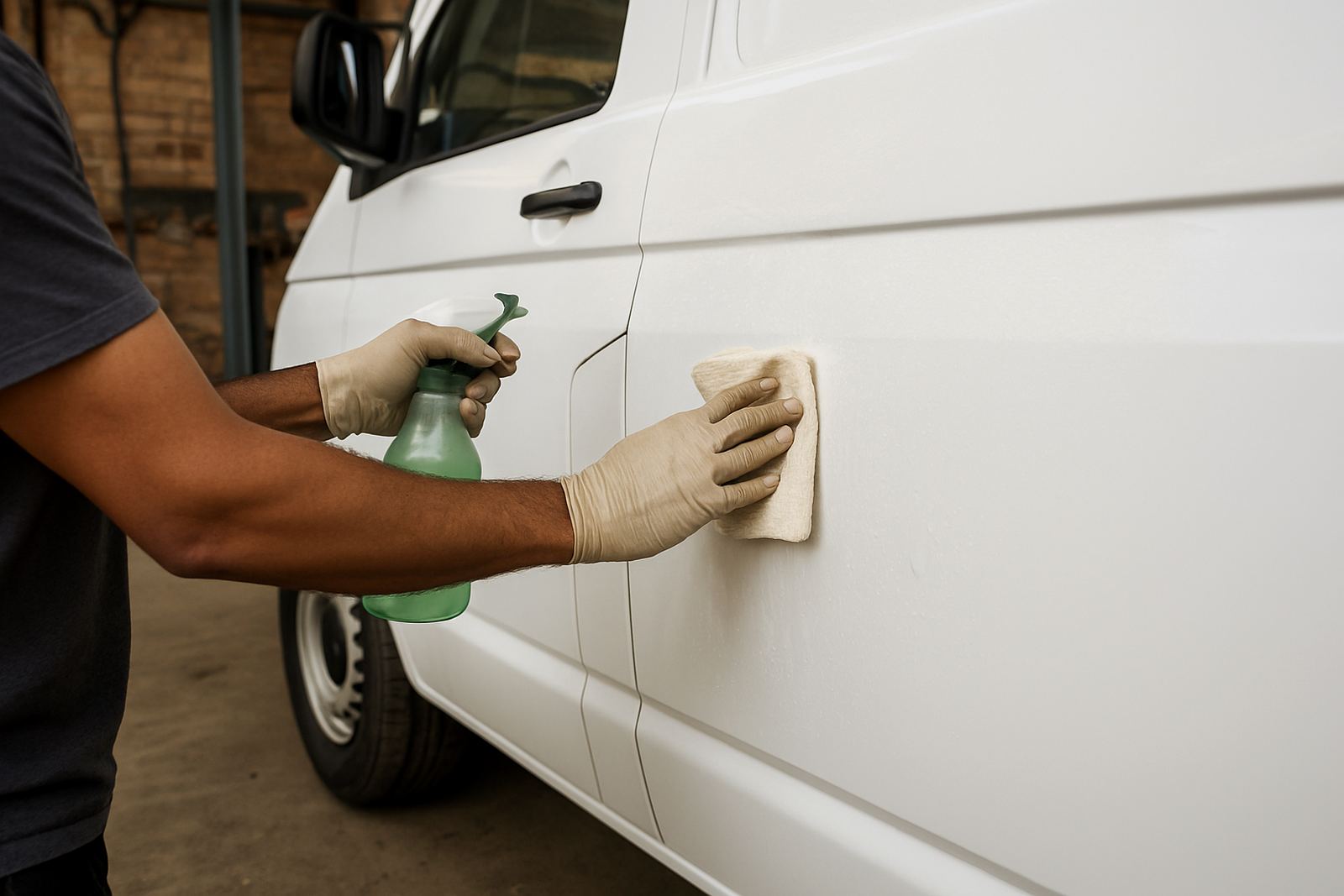
Maintenance visits are useful for sites with multiple signs or changing tenants. We also cover debranding when a vehicle or shopfront must be cleared quickly and neattly, without damaging the paint or substrate. If a sign sits in hard sun or gets regular wind, dust and vehicle spray, inspection every few months is wise.
- Replace when the structure is damaged or the face has failed
- Refurbish when the frame or panel still has life left
- Debrand when a site needs to be cleared for handover or change of use
- Schedule maintenance before a small fault becomes a bigger repair
Local conditions around Bloemfontein and surrounding towns
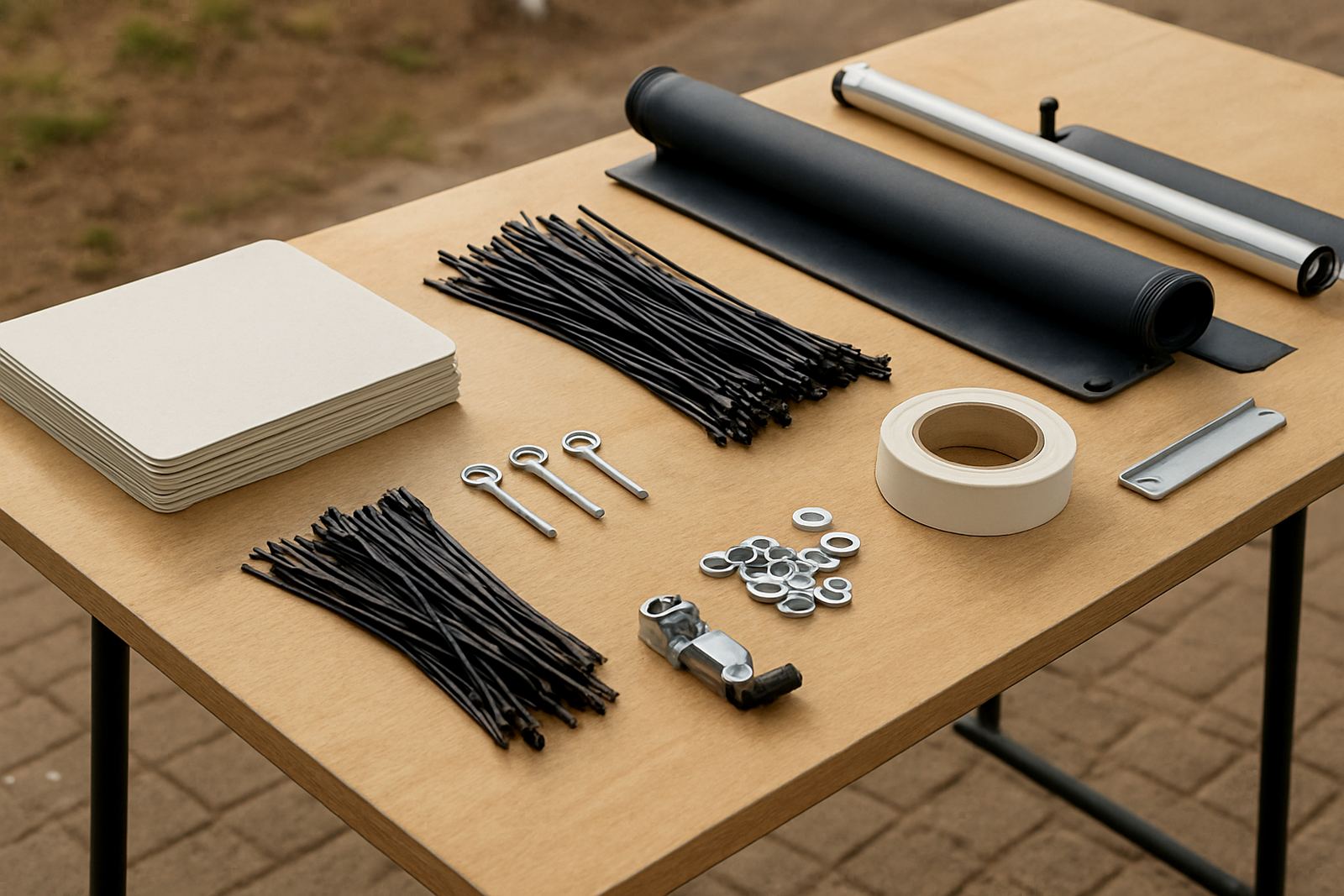
Local conditions matter. Bloemfontein has strong sun, dusty periods and wide temperature swings, while nearby towns may have different exposure, traffic patterns and municipal requirements. That affects everything from glue choice to the size of a banner tie-down. A sign that looks fine indoors can fail quickly outside if it was not made for the conditions.
For clients in Brandfort, Winburg and the wider Free State, this hub is a useful place to compare options before asking for work. It helps you think through the trade-offs between cost, visibility and lifespan, so the final result suits the site and not just the artwork. Small details matter, and they often decide whether a sign lasts two years or much longer.
What you will find in the Image Notes articles
This hub pulls together practical notes on signs, graphics, branding surfaces and upkeep. Each article focuses on a specific decision, so you can compare options before you brief a job or request a replacement. The aim is simple: fewer surprises, better fitment and more useful signage for real sites and real budgets.
Topics will include choosing materials, preparing artwork, understanding installation limits, caring for graphics and planning changes across windows, walls, doors, floors and vehicles. If you are based in Bloemfontein or anywhere we service around Mangaung, these notes are written to help you ask the right questions first.