Why install height changes how people read your sign
A sign that is too high can be hard to read from the street, while one that sits too low can disappear behind parked vehicles, boundary walls or shrubs. The best height is the one that matches the viewing distance and the way people move past the property, whether they are walking, driving or entering on foot.
For shopfronts in Bloemfontein, the aim is usually simple: make the message visible early enough for a driver to recognise the business and still clear enough for a pedestrian to read without stopping. This becomes even more important on busier roads near Mangaung routes where traffic moves steadily and sight lines change fast.
- Short viewing distance needs lower placement and larger letters.
- Fast-moving traffic needs higher contrast and simpler wording.
- Pedestrian areas can use lower eye-level placement for better engagement.
- Walls, trees, gates and signage by-laws can all affect the final position.
Safe working height starts with the right site survey
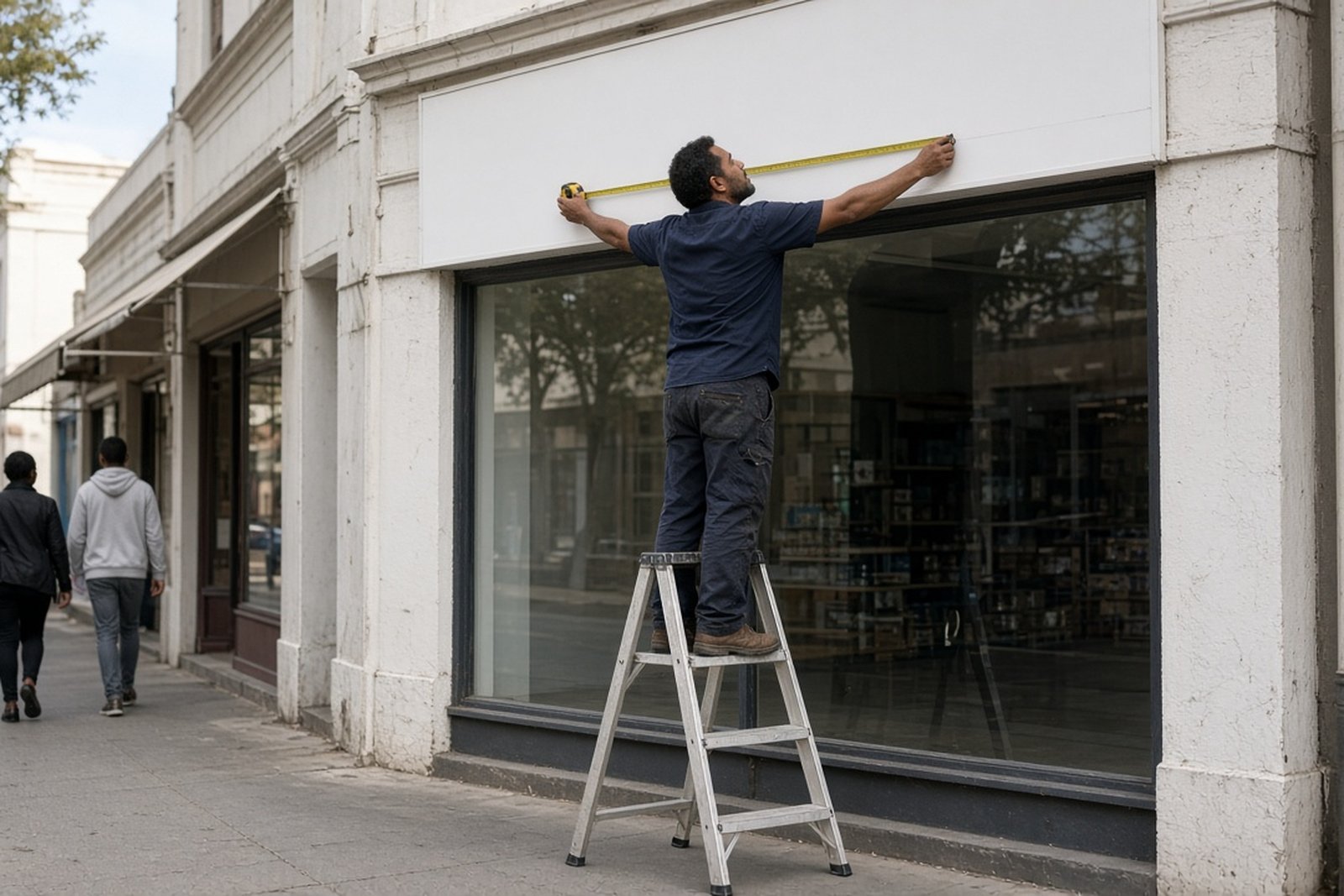
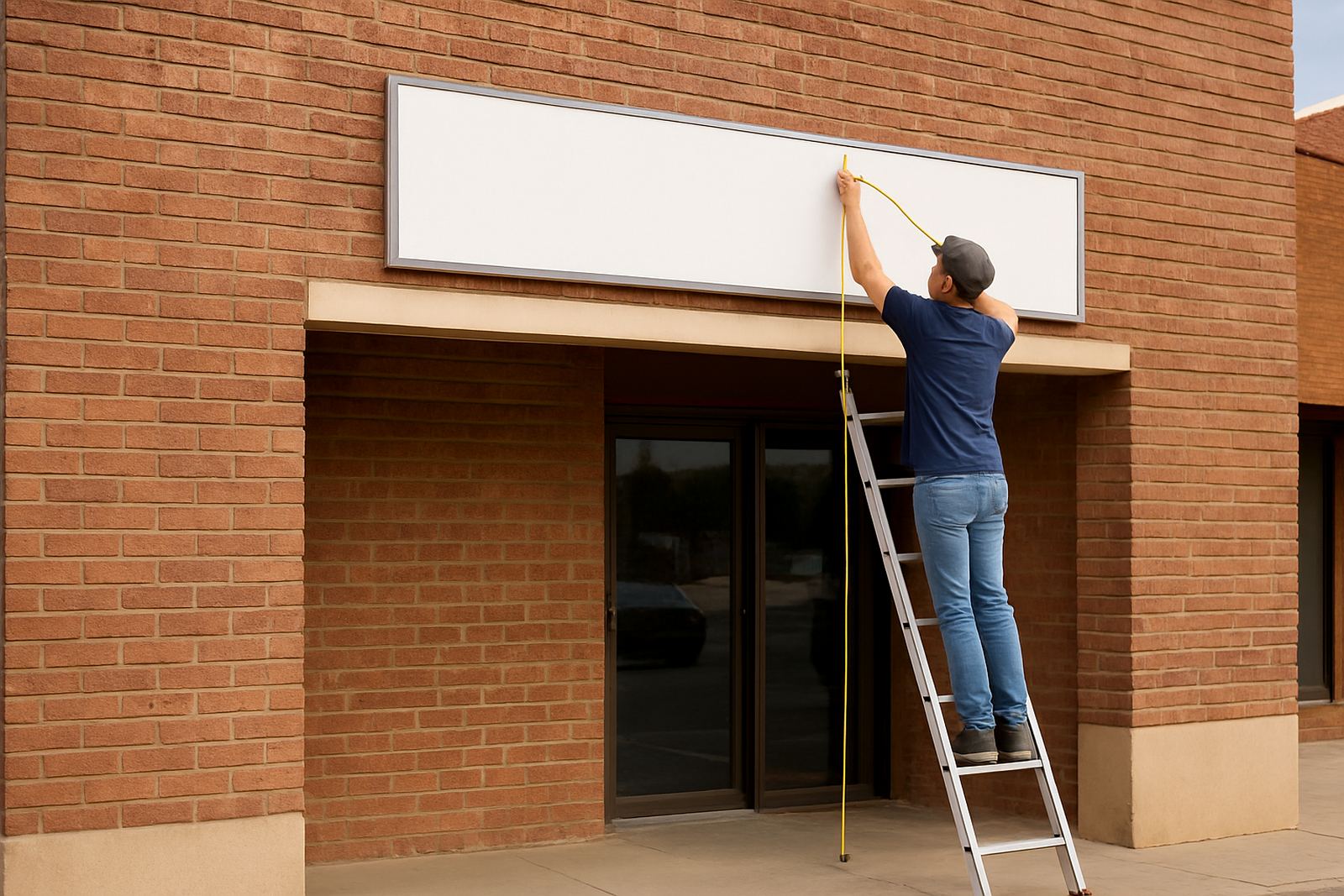
Before any bracket is drilled or any panel is fixed, a site survey should check the wall type, access route, power points, roofline and whether there is enough safe working space for ladders, scaffold or a boom lift. On older buildings in Bloemfontein, the wall finish and substrate matter just as much as the sign itself because weak plaster or loose cladding can fail under load.
A proper survey also helps avoid surprises on install day. That includes low overhead cables, sloped paving, uneven ground, security grilles, and areas that are difficult to reach after trading hours. In some cases the best position for the sign is not the highest available point, but the one that keeps maintenance practical for years.
- Measure clearances from pavement, canopy edges and electrical lines.
- Check wall strength before choosing fixing points.
- Allow enough room for installers to work safely.
- Confirm whether municipal approval or landlord approval is needed first.
Readability rules for shop signs, banners and window graphics
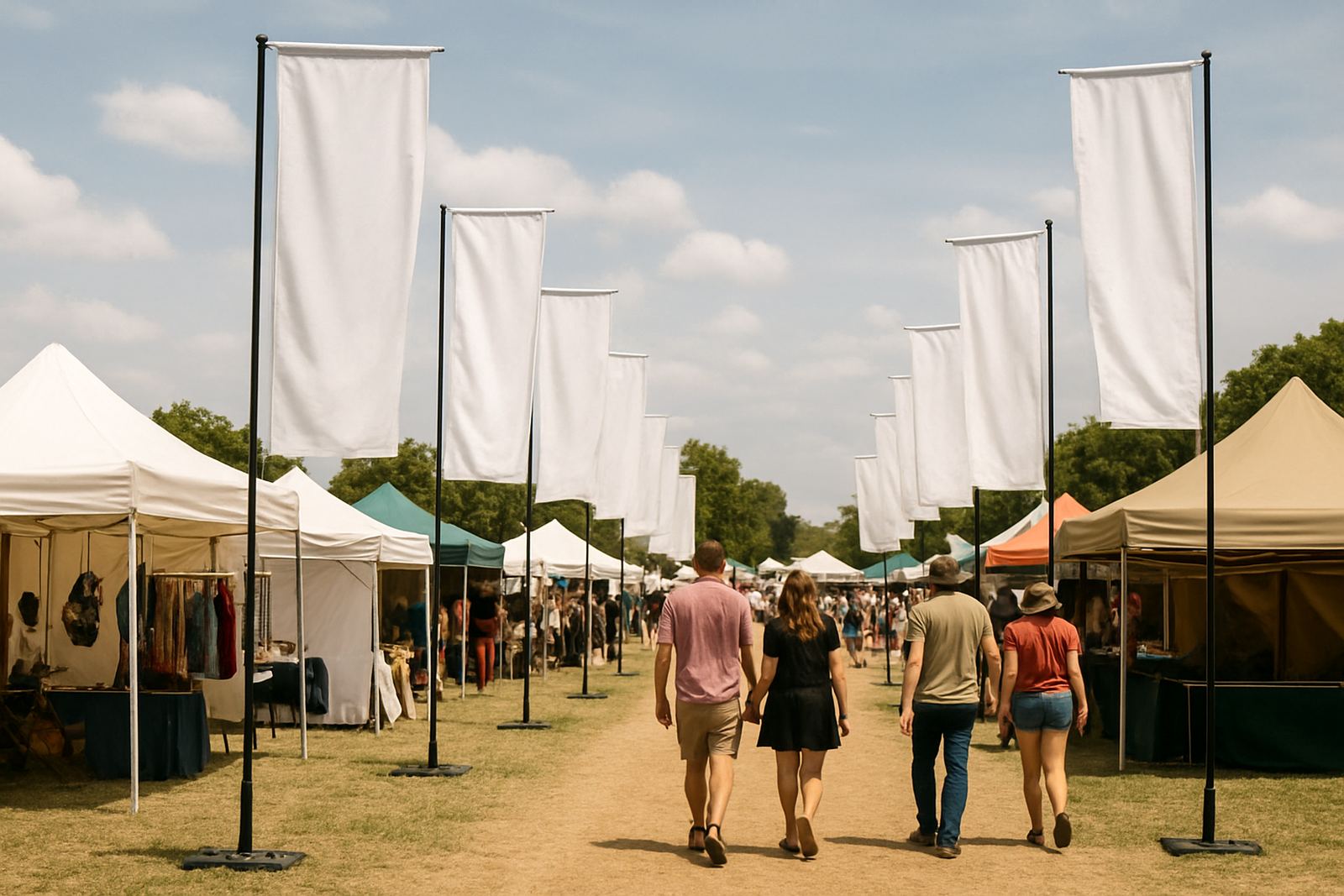
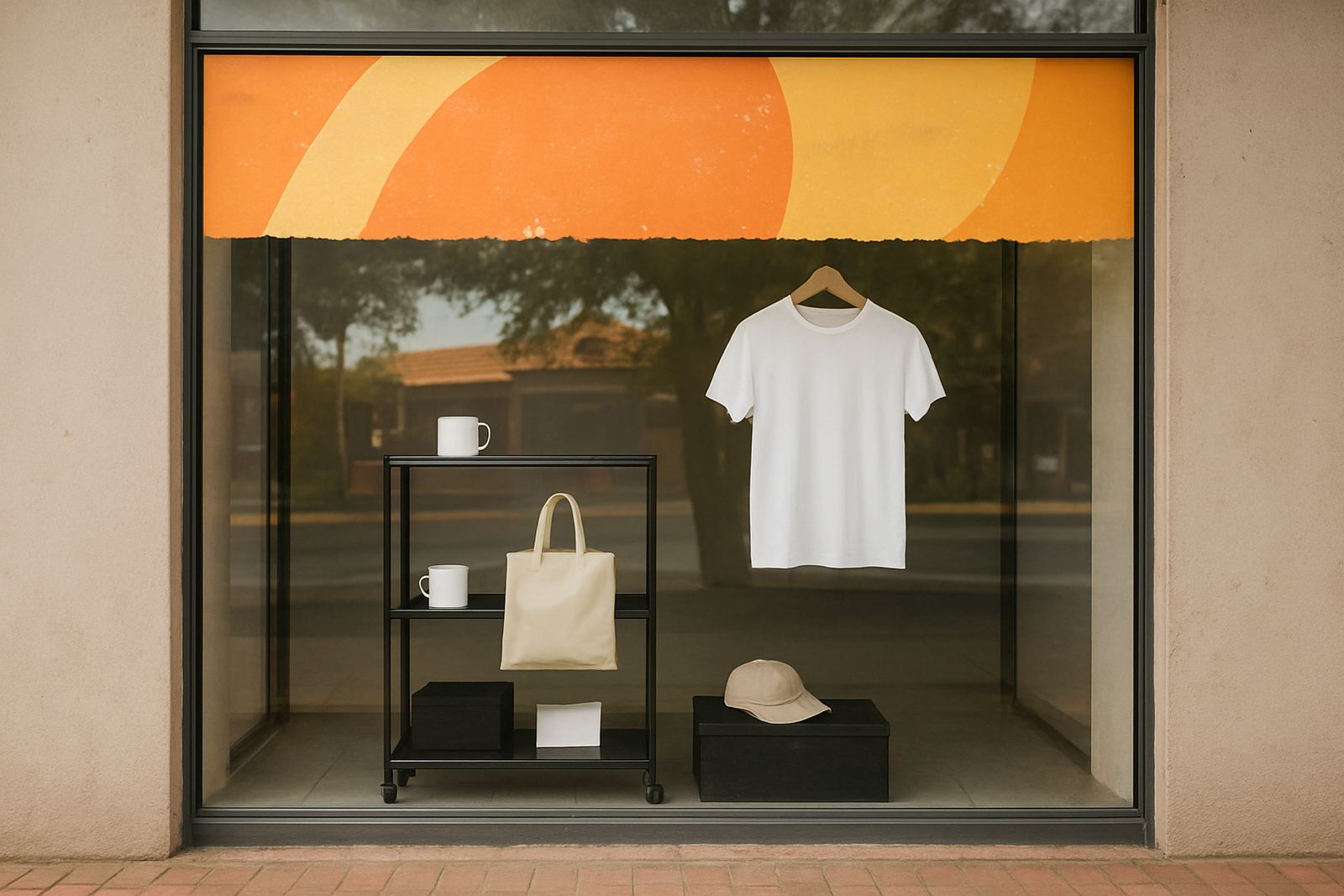
Different sign types need different height decisions. A fascia sign on a retail building works best when it sits in the normal line of sight from the road. A banner may need to be lifted above vehicle roofs and boundary fencing. Window graphics perform better when they are placed where a customer can see them while standing outside, but without blocking the whole interior.
The point is not to push every sign as high as possible. It is to match the sign to the task. A promotion banner for a weekend sale has a short life and needs bold placement. A permanent shop sign should be readable from a distance and still accessible for cleaning and repairs. If the design includes small text, the installation height should give that detail a fair chance of being seen.
- Keep important wording at or near eye level where possible.
- Use larger letters when the sign will be viewed from across a road.
- Place promotional banners where they are not hidden by cars or awnings.
- For windows, leave enough clear area for natural light and customer visibility.
Local conditions in Bloemfontein and nearby towns
Free State weather changes the practical side of sign height. Bloemfontein can have strong sun, dusty wind and sharp temperature shifts, all of which affect adhesion, corrosion and the way surfaces age. In towns such as Botshabelo, Thaba Nchu, Welkom and Kroonstad, the same rules apply, but each site may have different building styles, street widths and foot traffic patterns.
Higher signs can catch more wind, which means the fixing method must be chosen carefully. Coastal humidity is not the issue here, but dust and UV exposure are. Vinyl edges, steel brackets and painted surfaces all need proper preparation so the sign still looks straight and clean after months of sun and winter cold.
A good installation team will also consider access for future washing, replacement prints and maintenance visits. If the sign is placed where nobody can reach it safely later, a small repair can become a bigger job than it should be, and that pushes up the cost.
Vehicle graphics need a different height mindset
Vehicle branding does not sit on a wall, but height still matters. The important placement is the line where the message can be seen around door handles, wheel arches, window lines and roof height. On bakkies, panel vans and delivery vehicles, the graphic should be visible from a passing car and from pedestrians at the kerb.
For fleets working across Mangaung, Botshabelo and Welkom, the design must also survive daily use. Door-edge placement, fuel cap clearance and panel joins can all affect how a wrap or decal reads once it is installed. A clean layout at the right height keeps the message readable even when the vehicle is dirty, parked at an angle or viewed in traffic.
- Use the most visible panel space for the company name.
- Avoid placing key wording over handles, joints or trim lines.
- Check how the graphic looks with doors open and closed.
- Allow for washing, repairs and future debranding if needed.
Maintenance access is part of the installation decision
Many signs look fine on day one but become awkward to maintain because the installation height was chosen without thinking ahead. A sign may need cleaning, tightening, lamp replacement, panel changes or a full reprint later. If that work needs special access every time, the owner pays more and the business loses time.
For long-term value, the install should make sense to the people who will service it. That means checking whether a ladder can reach the sign safely, whether the wall can take repeat work and whether the sign can be removed without damaging the finish around it. A practical height choice now can save a lot of hassle later, especially for busy retail and workshop sites.
At Central Signs, we look at the full picture before fabrication and installation, from artwork setup to final fixing. That includes the height needed for visibility, the access needed for maintenance, and the environment around the building so the sign stays useful, not just visible. A well placed sign works harder every day, and it is easier to keep in good condition too.