Start With the Surface, Not the Label
Before you choose the adhesive, look closely at the surface. Smooth metal, painted walls, powder-coated shelves, plastic tubs, glass doors and corrugated packaging all behave differently. A label that works well on a carton may lift on a curved drum or leave residue on a fridge door. If the surface has texture, dust or a little oil on it, the bond is weaker from the start.
For packaging, you are usually dealing with cardboard, film or a coated box. For shelving, the label may need to grip powder-coated steel or laminated chipboard. Equipment labels often go onto powder-coated machines, painted housings or brushed metal plates. Those are not the same job, even if the label looks similar. A quick test on the actual surface saves trouble later.
- Smooth, clean surfaces usually allow a stronger bond
- Rough or dusty surfaces need extra surface prep
- Curved items often need a more flexible adhesive film
Match the Adhesive to the Working Conditions
Heat, cold, sunlight and moisture all affect label performance. In a store room with changing temperatures, a basic adhesive may start edging up at the corners. On equipment near a loading bay, vibration and dust can loosen a label much faster. If the label sits outdoors or on a window facing strong sun, the adhesive must cope with heat without turning brittle.
Coastal towns often deal with more humidity and salt in the air, but even inland areas like Bloemfontein can be hard on labels because of dust, dry air and strong summer heat. If your labels are used on cleaning chemicals, fridges, freezers or machinery that is wiped down regularly, ask for an adhesive suited to that use. Some jobs need a permanent hold, while others are better with a removable adhesive that lifts cleanly later.
- Heat can soften weaker adhesives
- Moisture can creep under label edges
- Repeated cleaning calls for better bond strength
Permanent, Removable or Repositionable
There is no single adhesive that suits every label. Permanent adhesives are best where the label must stay put for the life of the product or equipment. They are useful for serial number labels, warning labels and asset marking. Removable adhesives are better for short-term promotions, stock rotation or signage that may change often. Repositionable options help when a label must be aligned carefully before final fixing.
It is worth thinking past the first day of application. A label that is too aggressive can tear on removal or leave glue behind. A label that is too weak may shift under handling or fall off after a few weeks. For shelves and bins, many businesses prefer a label that is firm enough to stay in place but still neat enough to replace during stock changes. That balance matters in stores, workshops and storerooms alike.
- Permanent for safety, compliance and asset labels
- Removable for temporary promotions or seasonal use
- Repositionable for careful alignment on glass or panels
Think About Printing, Lamination and Finish
The adhesive is only one part of the job. The face material and finish affect how well the label performs. A glossy label may wipe clean more easily, while a matt finish reduces glare on shelving or equipment panels. If the label will be handled often, a laminate can protect the print and help the adhesive stay stable at the edges. This is useful on vehicle parts, stock bins and machinery labels that get touched during daily use.
For packaging, you may need a label that feeds well through print equipment and sticks neatly without wrinkling. For equipment, the priority might be durability and clean reading from a distance. If a label must survive oils, cleaning fluids or rough handling, the laminate and adhesive should work together. One weak layer can shorten the life of the whole label, and that costs more in replacements.
A Bloemfontein Example That Shows the Difference
A hardware store in Bloemfontein might use shelf labels inside the shop, box labels in the back area and machine labels in the workshop. Those three uses need different adhesive choices. The shelf labels may need to come off when prices change. The box labels should stick firmly to cartons that are stacked and moved. The machine labels need to stay readable through dust, vibration and regular cleaning.
The same thinking applies in Mangaung, Botshabelo and Thaba Nchu where labels may travel between warehouse space, delivery vehicles and shop floors. If a label is applied on a Friday and the stock is handled on Monday, there is no time for poor adhesion to show itself. This is why a test sample on the actual surface is worth doing before a full run. It avoids scrap and keeps the job looking tidy.
- Test on the same surface, not a similar one
- Allow enough time for the adhesive to settle
- Check corners, edges and curved areas first
Practical Checks Before You Place the Order
When ordering labels, give as much detail as possible about the surface, the environment and the expected lifespan. A good supplier will want to know whether the label is for indoor or outdoor use, whether it will face sunlight, and whether it must survive wiping with chemicals. If you can supply a sample surface or a clear photo, even better. That helps avoid a label that looks fine on paper but fails in practice.
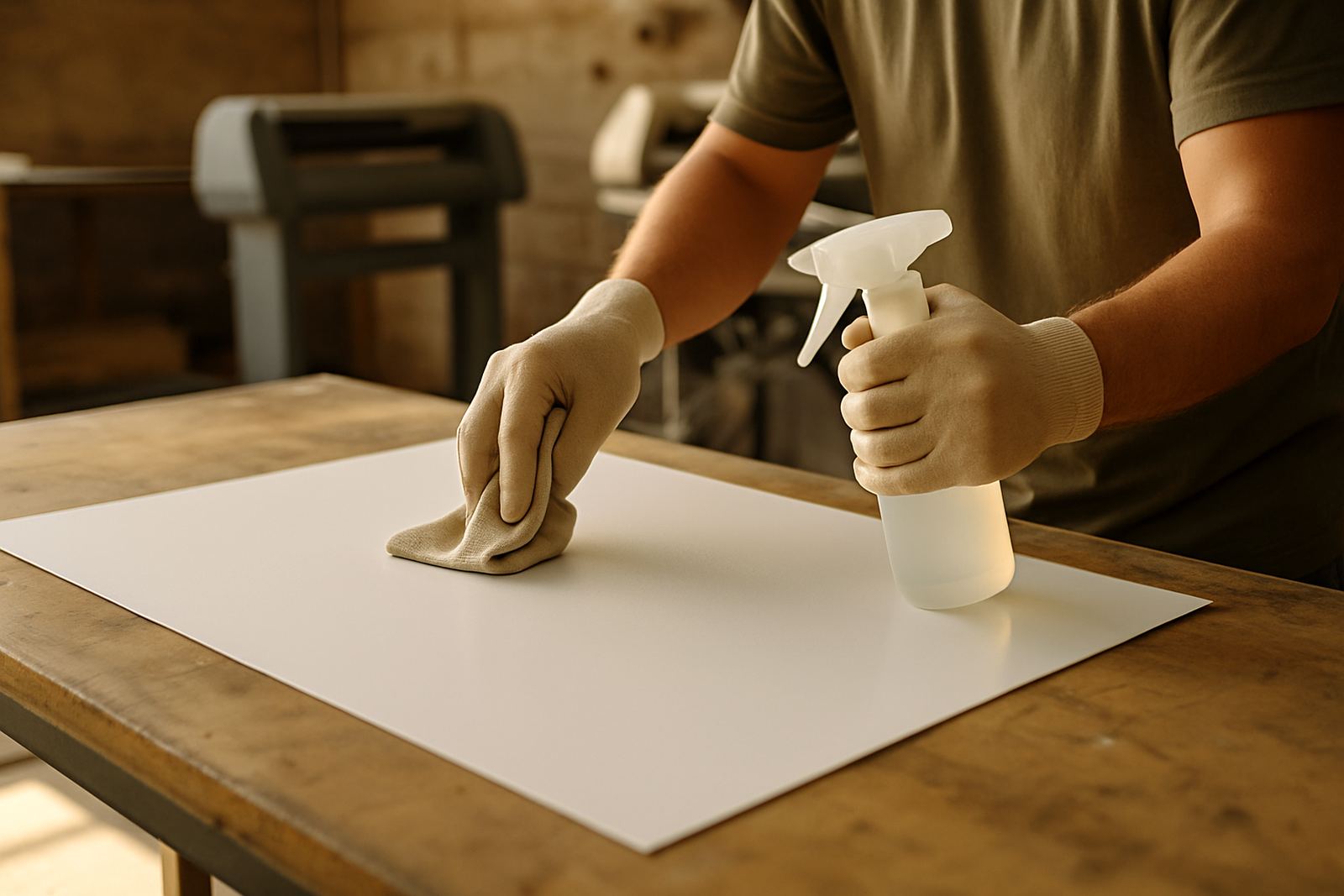
Also think about quantity and timing. Short runs for promotions may suit a simpler label stock, while ongoing label systems for shelving or equipment often benefit from a consistent setup. If the surface is oily, dusty or slightly uneven, make sure cleaning and prep are part of the plan. A label applied over dirt will not last, no matter how strong the adhesive is. That is just the truth of it.
- Confirm indoor or outdoor use
- State if the label must be removable later
- Mention cleaning methods and temperatures
The Small Details That Save You Money
Choosing label adhesive is really about reducing waste. The right choice means fewer peeled corners, fewer reprints and less time spent replacing labels that failed early. It also keeps shelves, packaging and equipment looking organised, which matters when clients or inspectors walk through. A label that stays neat gives a better impression than a fancy design that cannot hold.
For businesses in the Free State, where dust, heat and busy handling are part of everyday work, the best results come from matching the adhesive to the job from the start. Once that is done, the print, cut and application can all work together properly. That is the difference between a label that merely exists and one that does its job for months or years.