
Start With the Venue and the Camera Angle
Before you decide on a print, measure the space where people will stand, speak, queue or take photos. A backdrop that works in a hotel hall in Bloemfontein may be too wide for a school function in Botshabelo, or too low for a corporate podium set-up in Mangaung. The first question is not what will look nice, it is what can actually fit and still leave room for people to move safely.
Check the available width, height and the distance from the backdrop to the front row or camera position. If the wall sits too close to the subjects, text can be cropped in photos. If it sits too far back, the branding loses impact. We often advise clients to mark the area with masking tape on site before artwork is finalised, because a few centimetres can make a big difference once the frame, legs and support bars are included.
- Measure the full wall or open area, not only the visible gap.
- Allow for podiums, floral stands, media risers or sponsor tables.
- Confirm whether the backdrop will be used indoors, outdoors, or both.
- Note any floor slope, uneven paving or low ceiling beams.
Choose the Frame for How Long the Backdrop Must Last
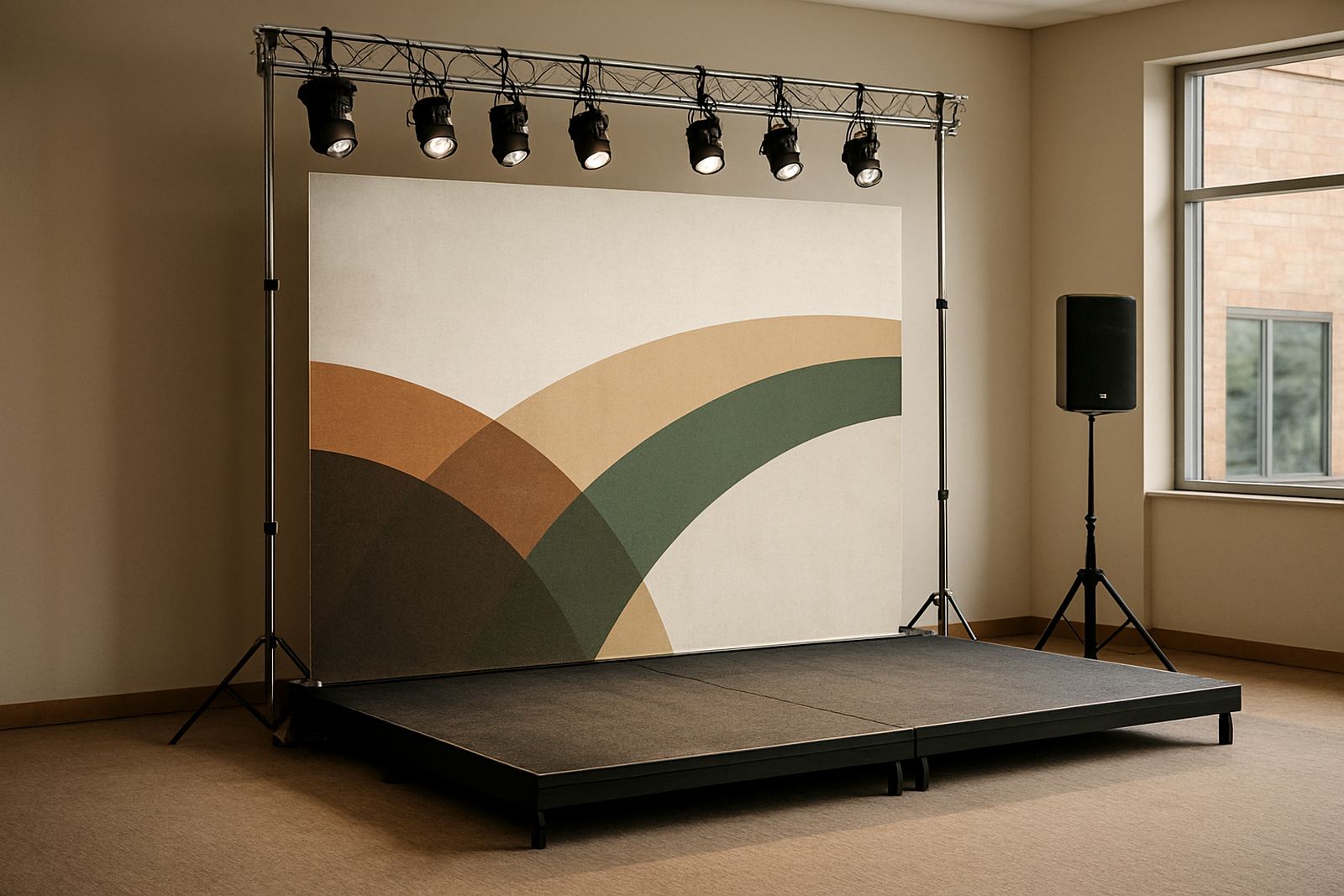
The frame should match the job, not just the budget. A one day conference needs a different support system from a touring campaign that will move between Kroonstad, Welkom and Bloemfontein over several weeks. For shorter events, lightweight modular frames are often sufficient. For repeated use, a stronger structure with better anchoring is worth the extra spend.
Outdoor functions in the Free State can bring strong wind, dusty conditions and sudden weather changes. If the backdrop is going outside, ask how it will be weighted, tied down or braced. In summer, heat can affect certain materials and in winter, early morning dew may influence the way fabric or vinyl behaves during setup. Good planning saves the installer from fighting the weather on the day.
- Lightweight frame: best for one-off indoor events and quick setup.
- Heavy duty frame: better for repeated use and larger printed areas.
- Outdoor version: should allow for weight, anchors and wind resistance.
- Freestanding structure: useful where walls cannot be used or decorated.
Pick the Print Style That Matches the Message
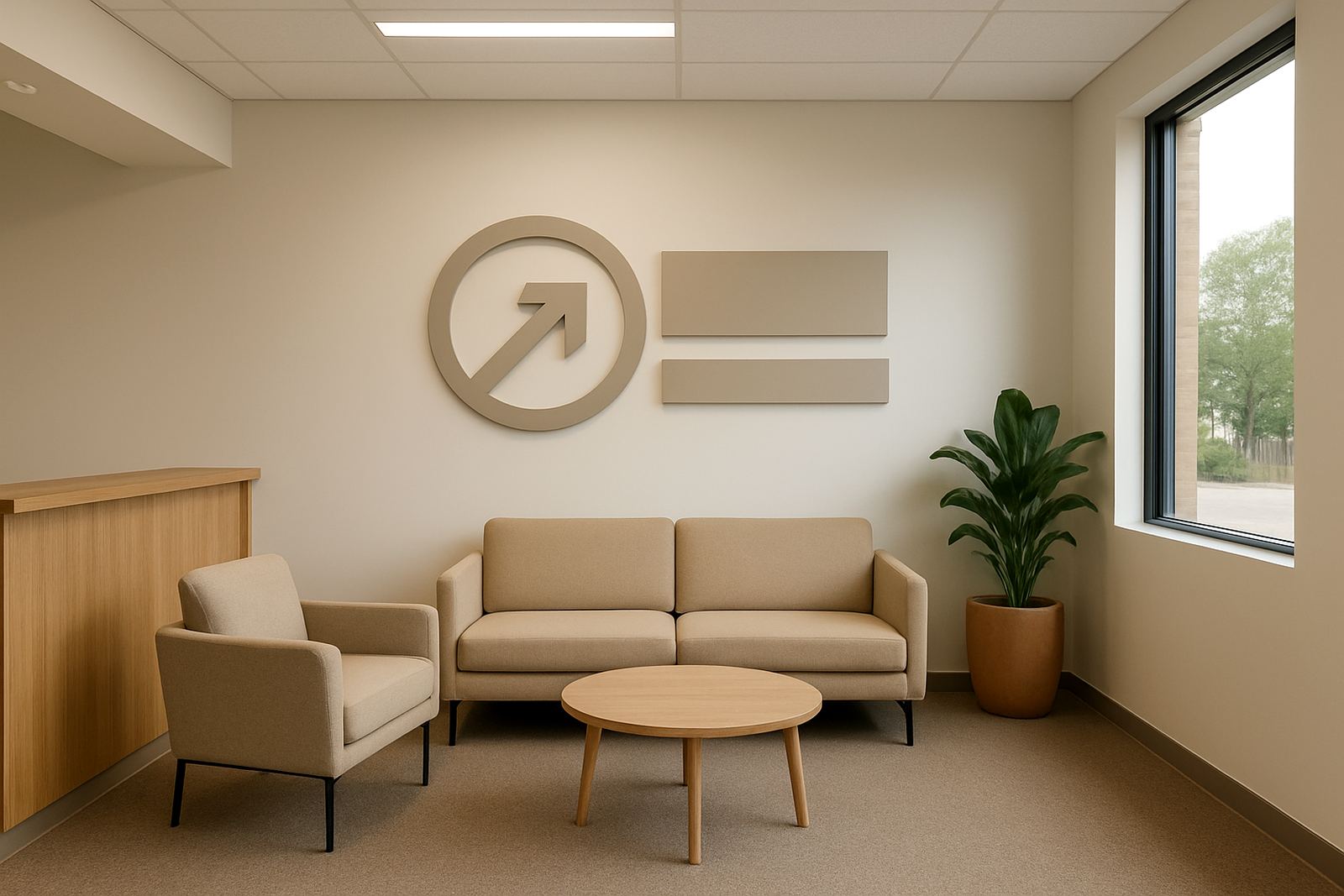
The print style must suit the function and the viewing distance. A press wall with logos needs crisp repeat branding and a flat finish so cameras do not pick up glare. A birthday backdrop or gala wall can carry a more decorative image with softer tones and larger graphics. For exhibition displays, strong contrast matters because people often see the panel from across a hall before they read it up close.
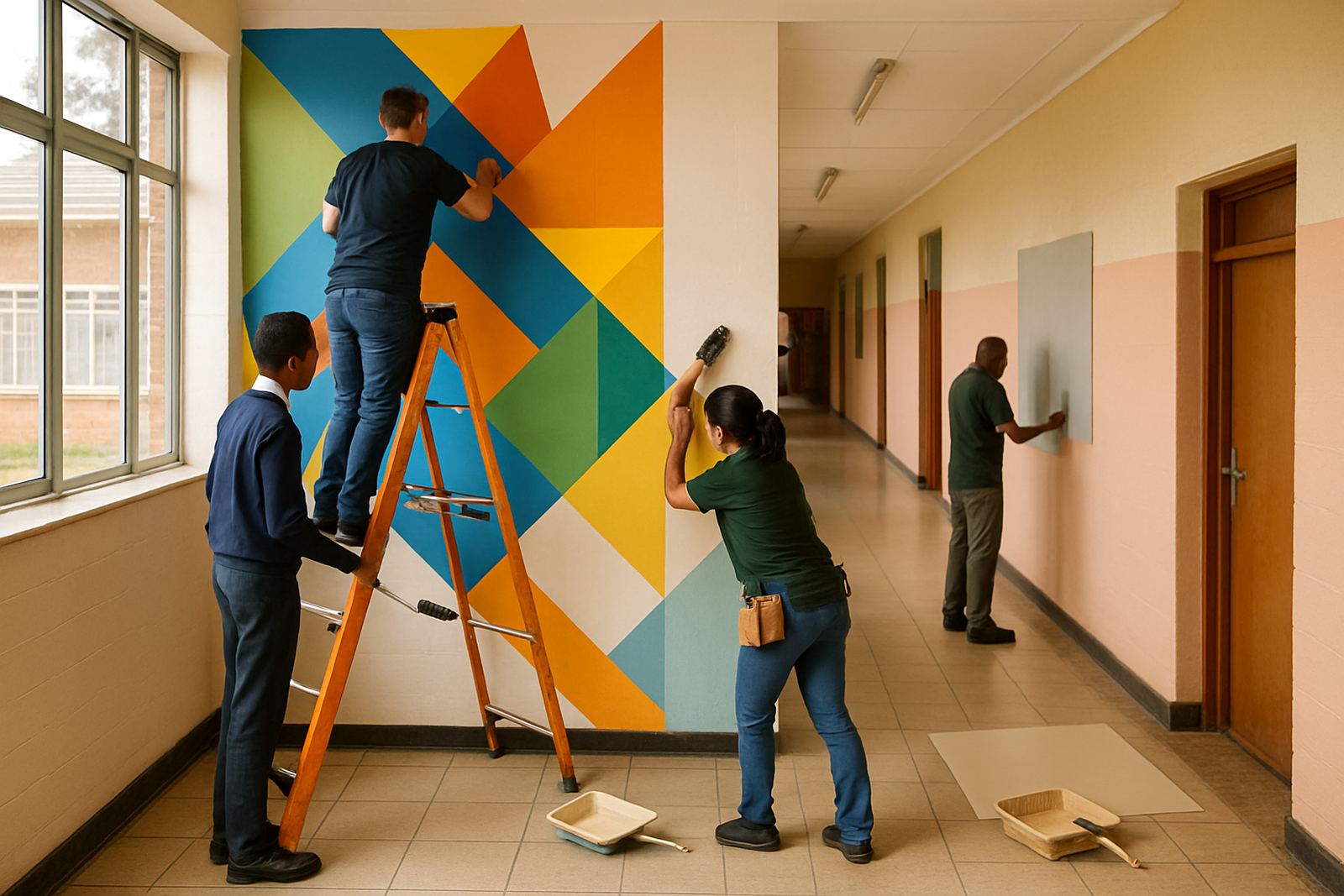
There are also practical choices in the print itself. Vinyl graphics are useful for sharp text, logos and cut shapes. Full colour printed panels work well when the design includes photos, gradients or complex artwork. If the backdrop may be reused, we recommend thinking about removable graphics, modular panels or sections that can be updated without reprinting the whole piece. It is a simple way to stretch the budget further.
- Use bold type for names, dates and sponsors.
- Keep small text to a minimum if the backdrop will be photographed from a distance.
- Choose matte finishes where flash photography is expected.
- Allow for a clean bleed area so edges do not look cramped.
Avoid Photo Problems Before the Event Starts
Many backdrops look fine on a screen but disappoint on camera because of reflections, bad spacing or poor contrast. Glossy surfaces can catch spotlights and flash, while weak colour contrast makes text disappear in evening photos. If the backdrop will sit behind a speaker, test the layout with the actual lighting plan and do a quick camera check before the event starts.
One local example: a company in Bloemfontein booked a year end function and wanted a 3 m by 2.4 m backdrop for stage photos. The hall looked large on paper, but once the podium, speaker table and floral arrangements were placed, the first design felt too busy. We reduced the number of logo repeats, moved the main title higher and changed the finish to a lower-glare print. The result was cleaner in photos and the sponsor marks stayed readable from the back of the room. That small adjustment saved a lot of rework on the day.
- Ask for a layout proof with the exact wording, dates and sponsor names.
- Check spelling carefully before print approval.
- Match the finish to the lighting, especially if there are strong spotlights.
- Leave enough clear space around faces, microphones and awards.
Plan Installation, Transport and Reuse
Backdrop planning should include how it will travel, who will handle it and where it will be stored after the event. A panel that is simple to carry through a loading bay may still need two people to assemble safely. In venues with tight access, narrow doors or stairs, the packing size matters just as much as the final display size. If the same backdrop will be used in Thaba Nchu one week and at another venue the next, portability becomes a real cost factor.
Ask about setup time, dismantling time and whether the backdrop can be refurbished later. Some clients prefer to keep the frame and replace only the printed face for a new campaign, product launch or school function. Others need maintenance visits because panels are handled often and start showing scuffs, loose joins or lifted edges. A well planned backdrop should not become a last minute repair job the morning of the event.
- Check whether the frame fits in a bakkie, van or trailer.
- Allow for packaging that protects the print from scratches and dust.
- Decide if the backdrop will be reused, stored or discarded after one event.
- Confirm who signs off the final artwork and who is present during setup.
A Practical Brief Makes the Whole Job Easier
The best backdrop jobs begin with a clear brief. Give the printer the venue name, event date, size, indoor or outdoor use, and any sponsor requirements. If the backdrop must sit behind a stage in Mangaung or be visible from a distance at a community event in Botshabelo, say so early. That information changes the layout, the frame and sometimes even the material choice.
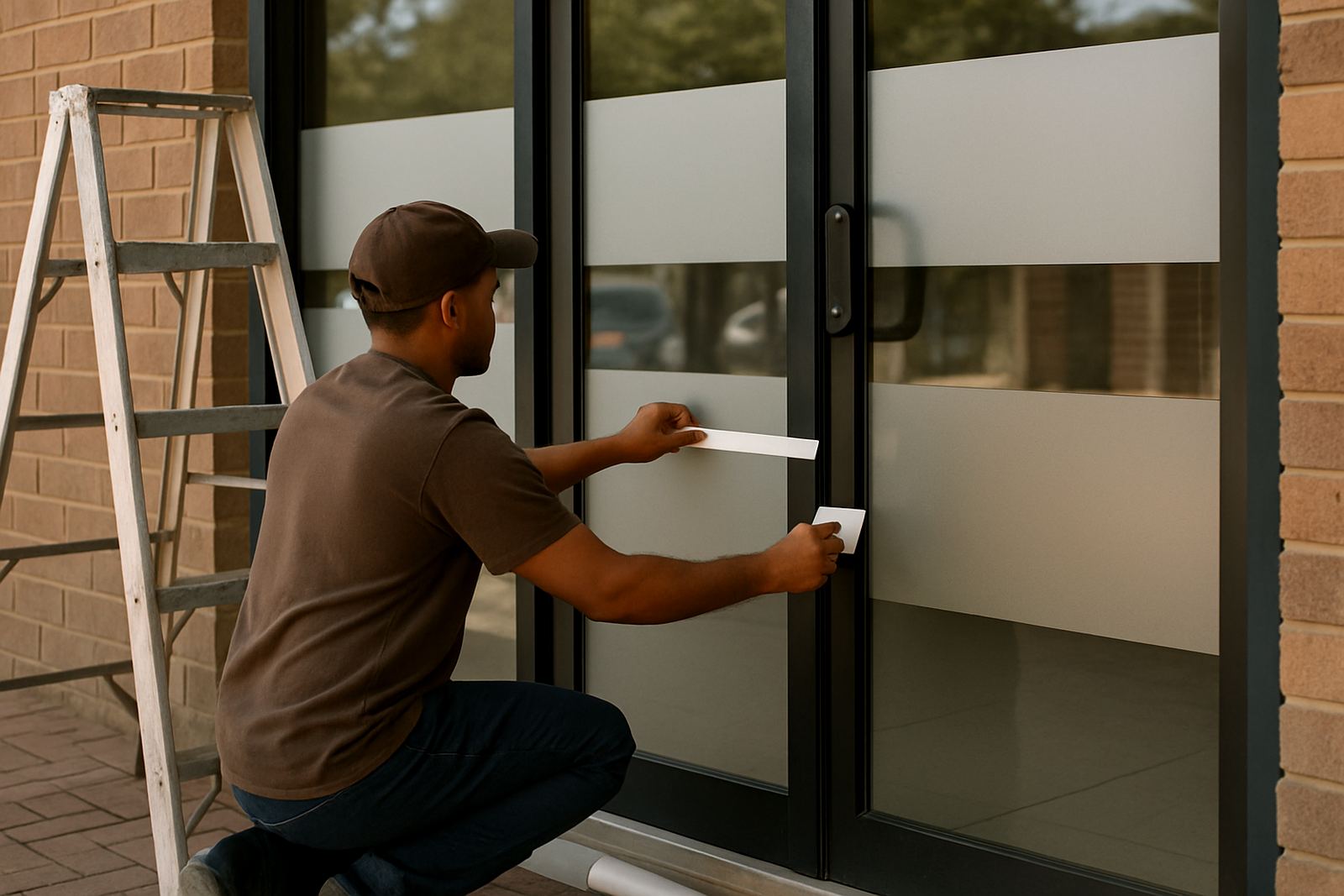
At Central Signs, our team handles site surveys, artwork setup, logo redraws, print production, vinyl cutting, graphic lamination, sign fabrication, sign installation, vehicle application, sign refurbishment, debranding and maintenance visits from our Hamilton base in Bloemfontein. For event work, that means the backdrop can be planned with the same care as any other branded display, from first measure to final installation. When the size, frame and print style all line up, the end result is tidy, practical and ready for photographs without fuss.
For functions across Bloemfontein, Welkom, Kroonstad and nearby towns, the goal is simple: make the space work, keep the branding clear and leave enough room for the people who matter most. That is where good planning pays off.