
Why privacy glass is often a better choice than curtains
In Bloemfontein and the surrounding areas, strong daylight is part of daily life. That is useful for lighting, but not every room should be fully visible from outside. Windows facing a street, a parking area, a neighbour or a public walkway often need some level of screening. Privacy film and graphics can solve that without shutting out the light the way heavy curtains or blinds do.
For many clients, the key question is not just how to block a view, but how to do it neatly and keep the space practical. A reception area may need people to see movement without reading documents on a counter. A home bathroom may need full privacy at eye level but still enough light to avoid switching on lights during the day. A clinic or office may need to meet municipal or building requirements while keeping a clean look. That is where the right glass treatment makes a real difference.
Central Signs works from Hamilton in Bloemfontein and fits privacy solutions for windows, doors and internal glass panels across Mangaung, Botshabelo, Thaba Nchu, Welkom and Kroonstad. On site, the first step is usually a simple assessment of what needs to stay visible and what must be screened. That saves time later and helps avoid a finish that is too dark or too open.
Frosted film for steady privacy with natural light
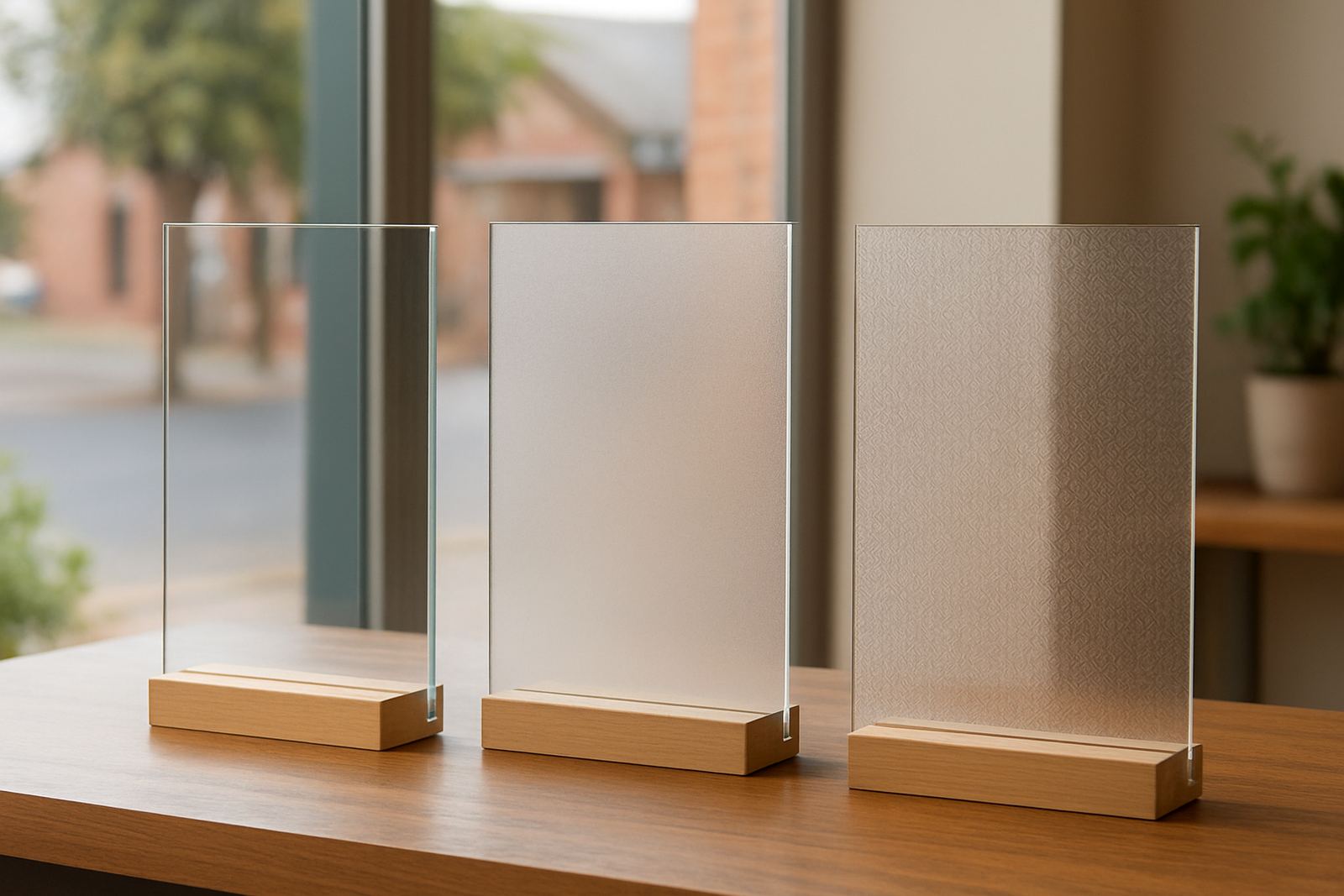
Frosted film is one of the most popular choices for privacy because it softens the view without making the glass feel heavy. It is often used on bathroom windows, office partitions, meeting rooms and front doors with side panels. The finish gives a consistent level of screening and works well where you want daylight to pass through.
This option is useful in places where there is direct line of sight from the road or from nearby buildings. In a busy part of Bloemfontein, for example, a frosted band across the lower half of a shopfront window can stop passers-by from looking straight into the back area while still leaving the upper section bright. It is also neat for landlords who want a clean, professional look that does not overpower the building.
- Good for offices, bathrooms, clinics and entrance panels
- Lets in light while reducing clear visibility
- Can cover full panes or only selected areas
- Works well with logos or cut lettering for added branding
When fitted properly, frosted film can also help with glare. That matters in rooms where computer screens sit close to windows. It is not a heat shield on its own, but it can make a room more comfortable during bright summer afternoons.
Patterned and decorative films when you want privacy with character
Not every privacy solution has to look plain. Patterned films, striped bands and custom decorative cuts can screen the view and still add interest to the glass. These are often used in salons, medical rooms, boardrooms and retail stores where the owner wants privacy but still wants the windows to feel part of the brand.
For example, a Thaba Nchu office might use a repeating pattern on the lower section of a street-facing window, then keep the top section clear for daylight. In a shop or showroom, a privacy band can carry hours, a logo, or simple directional text. This helps customers understand where to go, and it also reduces the feeling of a blank wall of glass.
- Helps screen interiors without making the glass dull
- Can include logo elements, lines or repeated shapes
- Suitable for glass doors, sidelights and partitions
- Can be matched to the rest of the signage on site
There is a practical side too. Decorative vinyl is easier to keep clean than fabric coverings and does not collect dust in the same way. In coastal conditions dust and moisture can create extra maintenance, but in the Free State the bigger issue is often strong sun and dry air, which can make low-grade materials shrink or lift if they were not prepared properly.
One-way and tinted finishes for rooms that need daytime screening
Where privacy is needed mainly during the day, a tinted or reflective finish may be suitable. These films reduce visibility from outside and can help soften harsh sunlight. They are often used on front-facing offices, consulting rooms, driver areas and glass doors that get strong sun.
It is important to understand how these films work. A reflective surface may look private from the street in bright daylight, but that effect can reduce after dark when the inside lights are on. For this reason, these finishes are best chosen with the actual use of the room in mind. If the space is open late, another option may be better.
A local business in Bloemfontein that faces afternoon sun might choose a lighter tint on its front windows to keep the interior visible enough for staff and visitors, while still reducing heat and glare. That can be more comfortable for people working near the glass and may also protect stock, displays and printed notices from fading too quickly.
When choosing this route, it helps to think about:
- How the room is used after dark
- Whether the windows face direct sun in the afternoon
- How much outside visibility is still needed for safety
- Whether the film must match existing branding or building rules
Vinyl graphics that carry privacy and branding together
Privacy does not have to mean a plain window. Printed or cut vinyl can do two jobs at once: screen the view and communicate who you are. This is useful for retail windows, office glass, training rooms and reception areas where the glass can work harder for the business.
A good layout can keep the lower section private while leaving a clear band at eye level or above. That makes the room feel lighter and still gives you a place for branding, opening hours, wayfinding or a simple message. In a shopfront, this is often the most practical solution because it supports both privacy and visibility from the street.
Typical uses include:
- Logo decals on entrance doors
- Printed bands across lower window sections
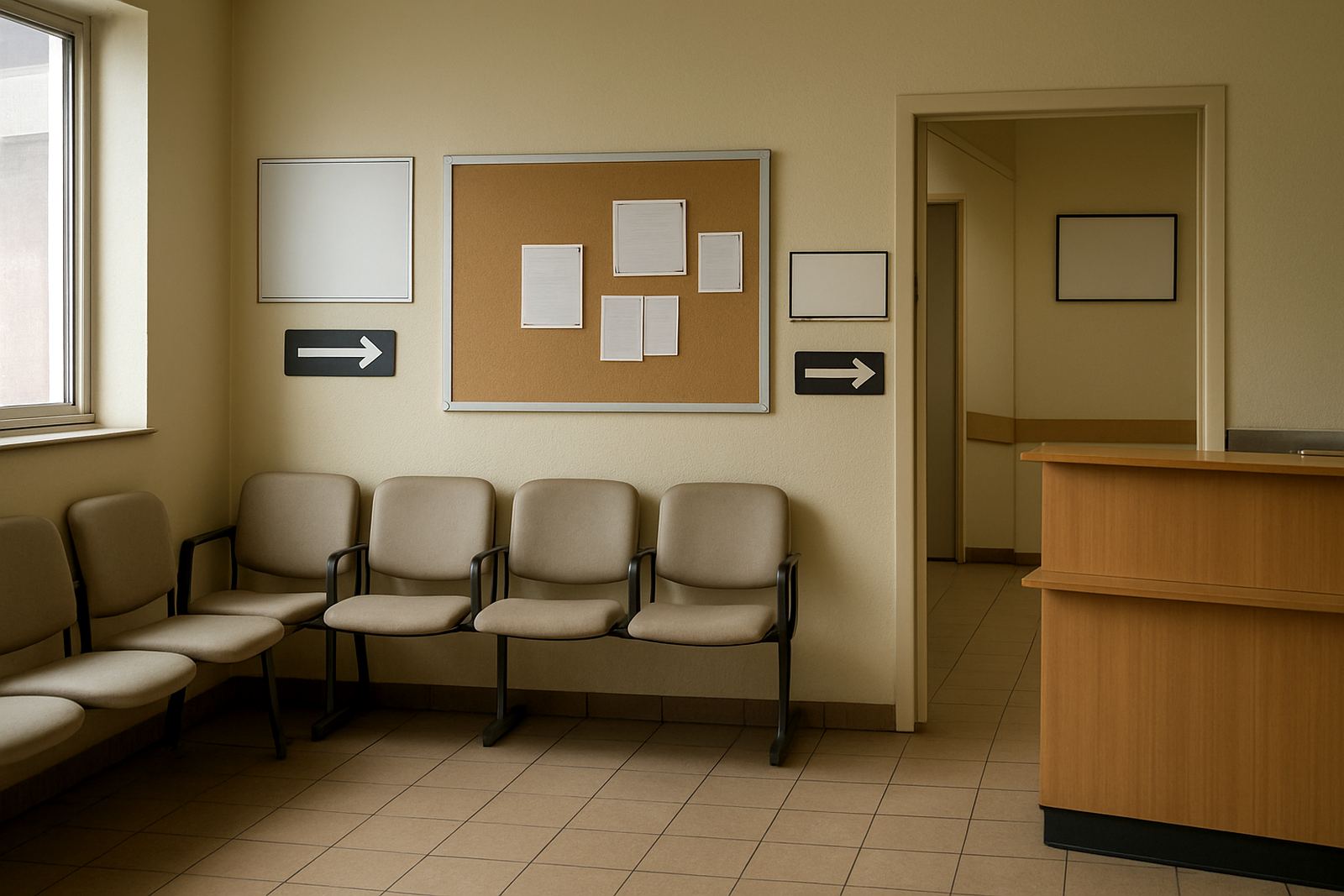
- Directional text for offices and consultation rooms
- Temporary graphics for promotions or events
Because the vinyl is cut and applied to suit the exact pane size, it can also work around handles, hinges and window frames. That is especially helpful on older buildings where every opening is slightly different and a standard off-the-shelf cover would look untidy. The aim is to make the glass useful, not cluttered.
Getting the balance right in Bloemfontein and nearby towns
The best privacy option is not the darkest one. It is the one that suits the room, the sunlight and the people using the space. A family home in Brandfort may need a different level of screening from a customer-facing office in central Bloemfontein. A warehouse door in Welkom may need tough, simple graphics while a clinic in Mangaung may need a calmer finish with clearer sight lines for visitors.
Before fitting any window treatment, a proper site survey helps. That allows the team to check glass size, surface condition, sunlight direction and any nearby signage already in place. It also helps with practical details like working around security film, aluminium frames, sliding panels or existing decals. If there is a damaged section, refurbishment may be better than replacing everything.
In some cases, a mix of options gives the best result. You might use frosted film on the lower half of a window, a clear band at the top and a logo on the door. Or you may combine a privacy strip with a full printed panel on a meeting room wall. Small choices like these can make a space feel private, bright and orderly without overdoing it.
If you are planning window privacy for a shop, office or home, it helps to work with someone who understands both the visual side and the fitting side. That means clean edges, accurate measurements and materials that hold up in real local conditions, including strong sun and load-shedding related lighting changes.
What to ask before you choose a privacy option
Before you decide, a few practical questions can narrow the field quickly. It is better to answer these first than to choose a finish that looks good on paper but does not suit the room.
- Do you want complete screening or just reduced visibility?
- Will people need to see out during the day or after dark?
- Is the glass on a street, corridor, courtyard or parking area?
- Should the window also carry branding or opening details?
- Will the film need to be removed later, for example in a rental space?
For many clients, the answer leads to a simple combination of film and graphics. That keeps the glass bright enough for daylight but private enough for normal use. If you are unsure, a sample on one pane is often enough to show how the finish will look once it is fitted.
Central Signs handles privacy films, vinyl graphics, installation and maintenance visits for businesses and properties across Bloemfontein and nearby towns. A good result starts with the right measurements and ends with a finish that does the job quietly every day.