Start with the frame, not the face
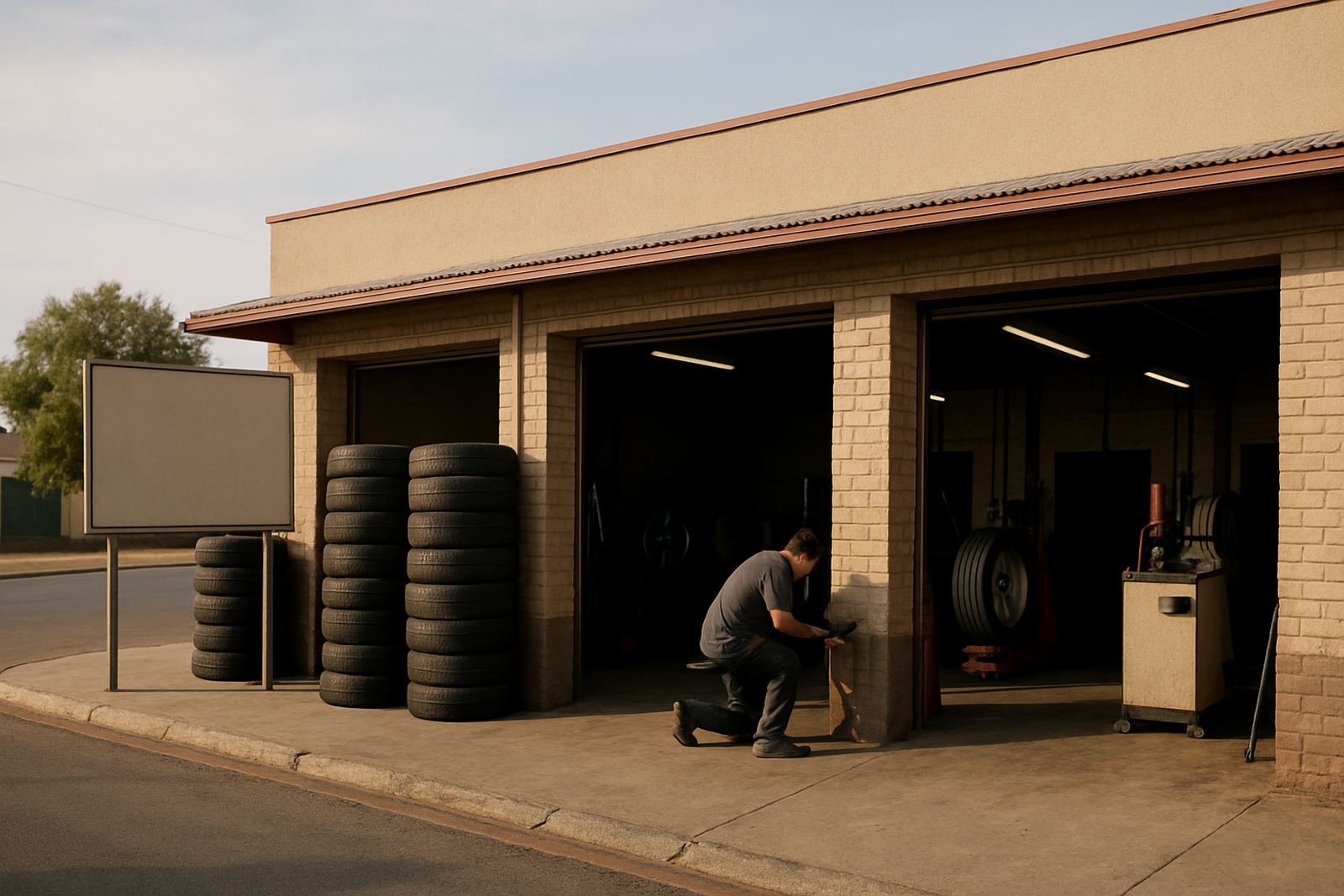
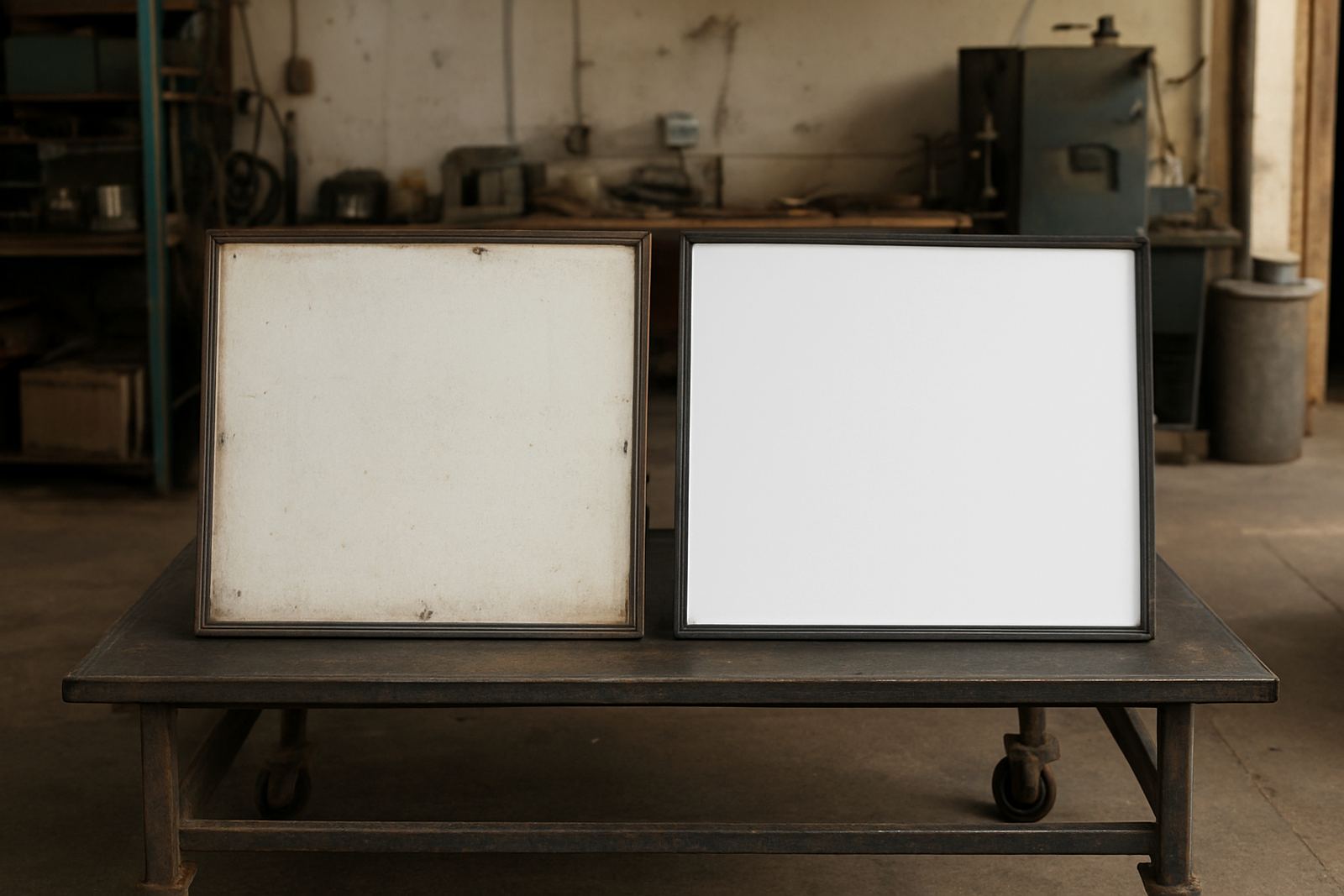
When a sign starts looking tired, the first job is to check the structure before you worry about the artwork. A steel frame may still be sound even if the face panel has faded, and an aluminium backing can often be kept in place if it is straight, clean and free of corrosion. In Bloemfontein, where summer heat and winter wind can both take a toll, we often find that the costly part is not the whole sign but a few worn components.
A proper site survey shows what can stay and what must go. That matters for wall signs, pylon signs, shopfront headers and vehicle graphics alike. If the base is safe, level and still fixed correctly, you can usually focus budget on the parts people actually see first. That approach also keeps disruption down for businesses that cannot close for long, especially along busy routes in Mangaung and the surrounding industrial areas.
- Check for rust at fixing points and joints
- Look for cracked panels, warped boards and loose trim
- Test whether the structure is still level and securely fixed
- Confirm that old electrics, if fitted, are still safe and accessible
Fresh graphics can do most of the work
Many dated signs only need a new printed face, updated vinyl graphics or a cleaner lettering layout. If the original panel is still usable, we can remove the old artwork, prepare the surface and apply a new finish that reads better from the road and from close up. This is often the quickest way to modernise an older frontage without changing every single element.
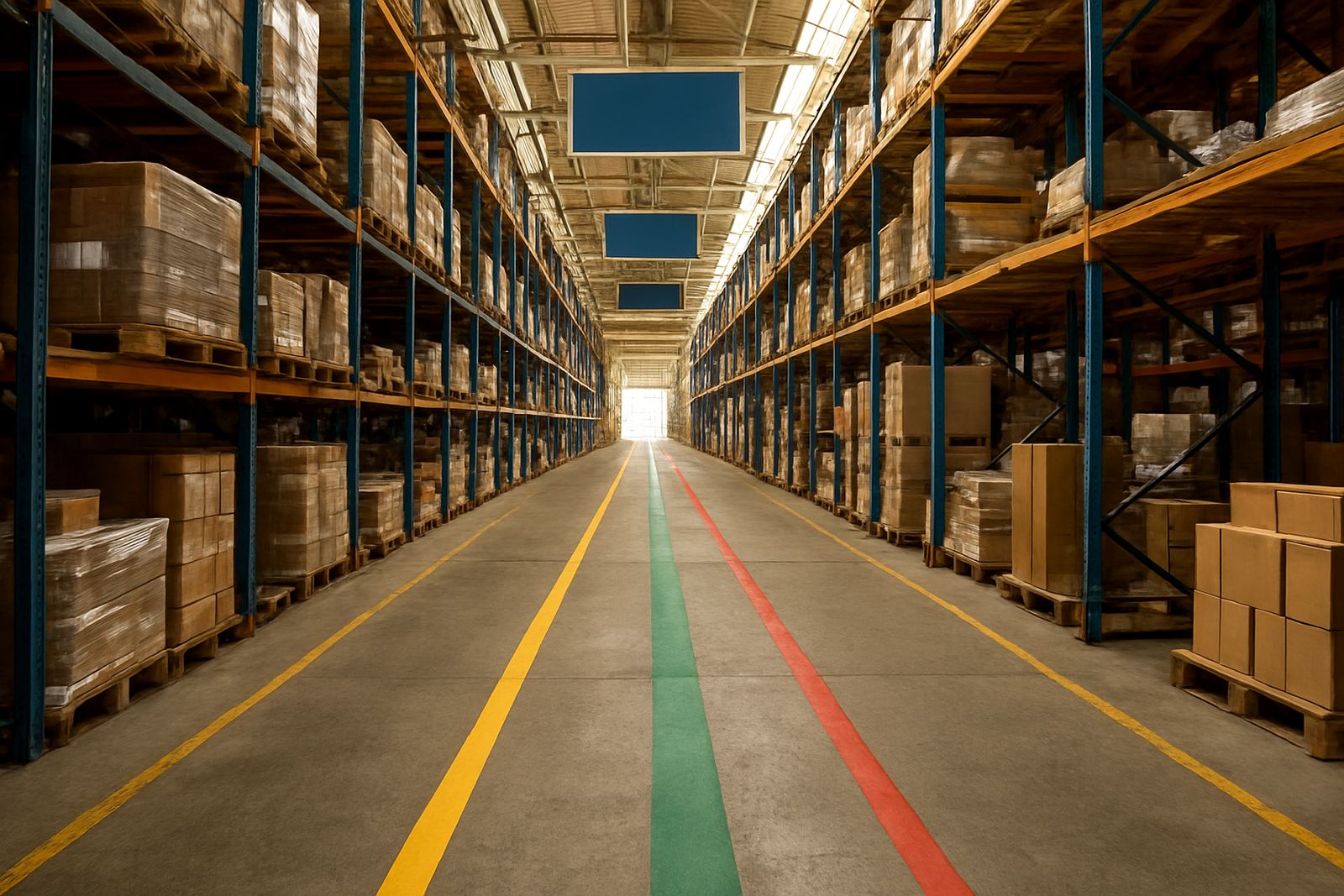
For retail windows, doors and walls, updated decals can tidy a space at a fraction of the cost of rebuilding the whole sign system. The same applies to floor graphics for promotions, directional markings and safety notices. In a place like Bloemfontein, where dusty weather and strong sun can shorten the life of exposed graphics, choosing the right material and laminate makes a big difference to how long the new look lasts.
- Replace faded print with fresh vinyl or new face panels
- Update logos, contact details and trading hours
- Use laminate where cleaning and sun exposure are frequent
- Keep fonts and colours consistent across signs and vehicles
When a sign should be repaired, not replaced
Some signs only need a refurbishment. A bent bracket can be straightened, a damaged corner can be repaired, and a cracked acrylic section can often be swapped out without touching the rest. Sign refurbishment works well when the business identity is still strong but the materials are simply worn from age, weather or poor maintenance.
We also see cases where a sign was changed in stages over the years and now looks mismatched. In that case, the answer is often to restore the whole unit to one clean standard rather than replace it piece by piece over several months. That gives the frontage a more settled look and helps customers identify the business faster. It also avoids the patchy result that can happen when different film stocks or panel finishes are used at different times, which is more common than people think.
- Fix rust, dents and loose fasteners before rewrapping or repainting
- Replace broken light fittings or remove dead illumination where needed
- Rebuild damaged lettering only where it affects legibility
- Keep serviceable mounting points if they still meet safety standards
Match the update to the site conditions
Not every site ages in the same way. A sign in a sheltered courtyard behaves differently from one exposed to road dust, strong afternoon sun or coastal moisture on transport routes. Around Bloemfontein and the Free State, the common issues are UV fade, dust build-up and movement from wind. On vehicle graphics, the problem is often edge lift, scuffing from daily use and damage from regular washing.
That is why the material choice should match the location. A shopfront in Thaba Nchu may need a tougher finish than a sign inside a controlled office foyer. A delivery bakkie doing regular runs through Botshabelo may need partial debranding or a fresh wrap panel rather than a full repaint. The point is to update the sign in a way that suits how it is actually used, not only how it looked on day one.
- Use heavier duty materials where the sign gets direct sun
- Allow for dust, cleaning and weather when choosing finishes
- Keep access in mind if maintenance visits will be needed later
- Check municipal by-laws if the sign size, lighting or placement is changing
A local example from a busy Bloemfontein frontage
A retail business in Bloemfontein may have a sound steel frame, but a faded face panel, peeling window vinyl and old trading hours that no longer match current operations. In that case, the sensible option is not to start from zero. The frame can stay, the face can be reprinted, the windows can be refitted with fresh decals and the doors can carry a cleaner set of graphics that tie everything together.
This kind of update is common when a business has grown, changed opening times or shifted product ranges. Instead of leaving customers with mixed messages, the refreshed signage creates one consistent look across the site. It is especially useful for businesses serving Mangaung, Botshabelo, Kroonstad and Welkom, where people may only see the sign once from a moving vehicle and need to understand it quickly.
For our team, that process usually starts with a site visit, then artwork setup, sign fabrication where required, and installation at a time that keeps disruption low. Lerato handles production planning, Zanele checks the artwork, Johan manages installation on site, and Kagiso looks after vehicle application where the refresh extends to the fleet. It is practical work and the details matter.
What to update first when the budget is tight
If the budget is limited, start with the parts that do the most visual work. In most cases that means the main fascia, the most visible window areas and any vehicle graphics that customers see on the road. Doors, side panels and internal signs can follow once the core message is clear.
Before spending, list the signs in order of impact. A small refresh in the right place often changes the whole appearance more than a large update done in the wrong order. That is why we recommend a phased approach for many businesses, especially where trading must continue through the day and there is little room for downtime. It also gives you time to correct outdated details, remove clutter and make sure the final result is consistent across all points of contact.
- Main storefront sign
- Window decals and trading hours
- Vehicle doors and tailgate graphics
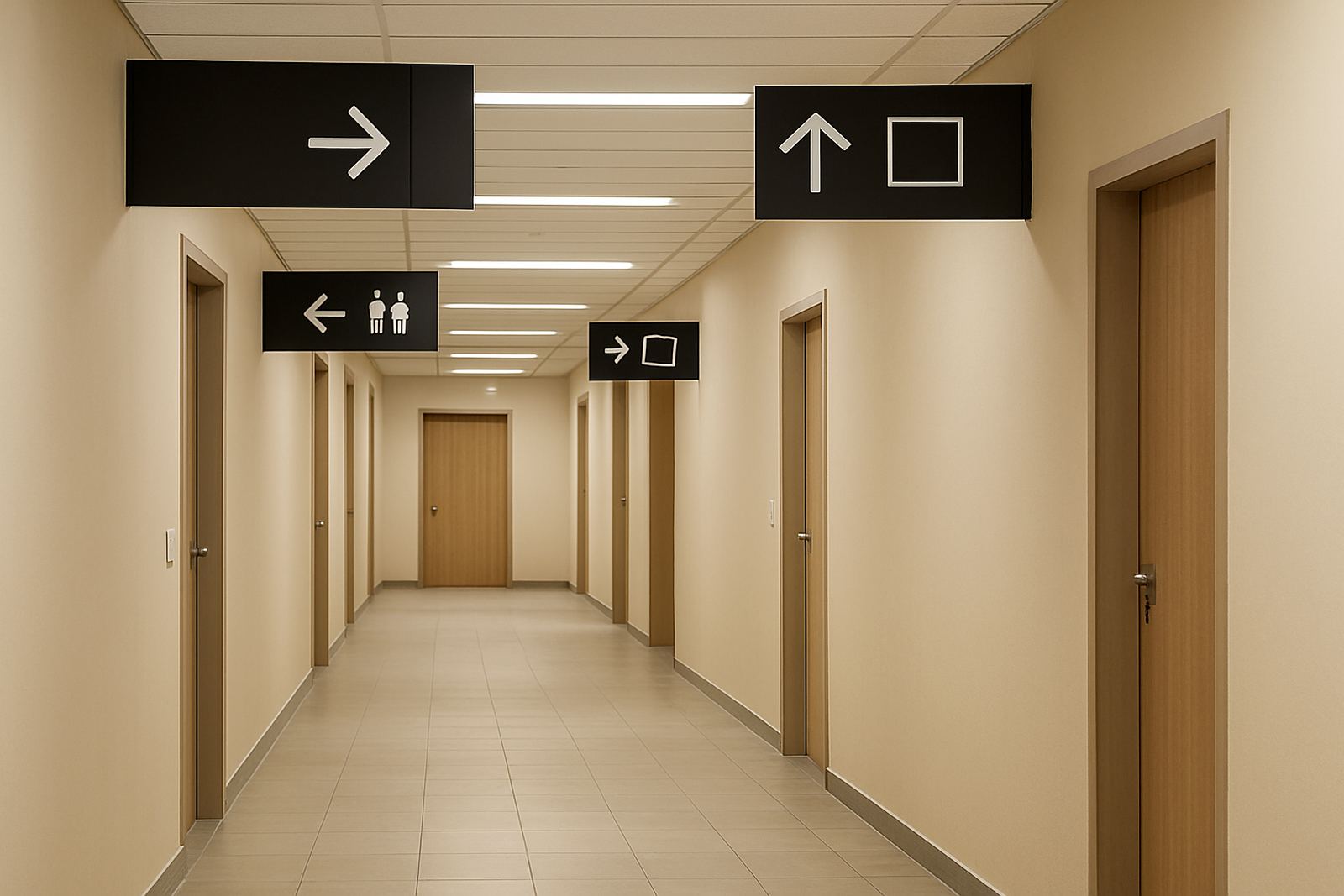
- Directional and safety signage inside the site
Keeping the new look in good condition
Once the sign has been updated, basic care helps protect the spend. Regular cleaning, early repairs and sensible positioning all extend the life of the new finish. In the Free State, where sun exposure and dust can shorten the life of exposed graphics, simple maintenance goes a long way. A monthly look over the signage can catch edge lift, cracking, loose fixings or weather damage before it becomes a bigger repair.
Central Signs works from Hamilton in Bloemfontein and supports businesses across the region with maintenance visits, sign refurbishment and replacement parts where needed. If the structure is still serviceable, there is usually a practical way to improve it without throwing everything away. That is the value of updating old signs properly: keep the good parts, replace the tired parts and leave the site looking like it is still being looked after.