What Our Sign Fabrication Covers
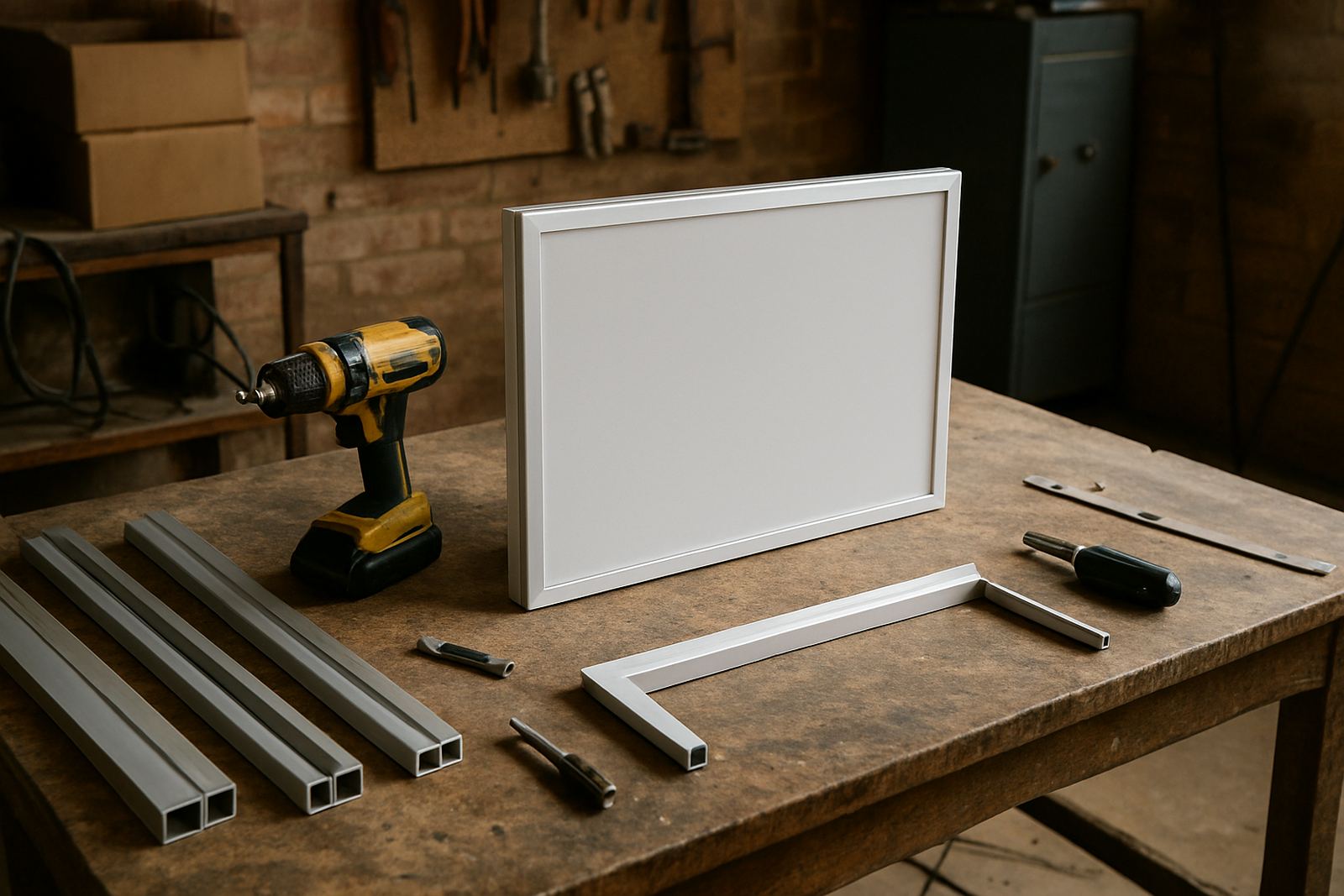
Sign fabrication is the workshop stage where a sign moves from artwork and measurements into a finished physical structure. At our Hamilton base in Bloemfontein, we assemble panels, support frames, raised lettering, standoffs, fascias and display bodies for new signs, rebrands and replacement work. The aim is simple: make the structure straight, serviceable and suited to the wall, pole, window or floor space it must occupy.
We work on one-off signs and repeat orders for branches, schools, medical rooms, warehouses, retail parks and office parks. Where a sign needs to be seen from the road we can build for larger viewing distances; where it is for an interior wall or reception area, we can keep it lighter and more refined. Construction is matched to the job, not forced into one format.
- Aluminium composite, galvanised steel, mild steel and acrylic builds
- Flat panel, folded tray, box frame and bracket-mounted structures
- Raised letters, spacer-mounted lettering and cut-out logos
- Indoor and outdoor fabrication for Bloemfontein and surrounding towns
Materials and Build Specs We Commonly Use
The right material depends on location, budget, wind exposure and the surface the sign will sit on. For outdoor work in Bloemfontein and nearby towns like Botshabelo, Thaba Nchu and Brandfort, we often use corrosion-aware structures and fixings because dust, wind and seasonal rain can shorten the life of lighter builds. On coastal humidity is not a factor here, but UV and temperature swings still matter, so we allow for expansion and fastening tolerance.
Typical fabrication specs include 3 mm to 6 mm aluminium composite panels for facings, 1.2 mm to 2 mm metal skins where extra body is needed, acrylic letters from 3 mm to 10 mm thickness, and steel support sections sized to the span and loading. For heavier signs we add internal bracing, welded frames and suitable anchor points. If a sign will be lit later, we allow room for access and cable routes from the start.
- Standard panel sizes can be joined for larger fascias and wall signs
- Raised lettering is usually set on spacers from 10 mm to 30 mm
- Frames are fabricated to suit brick, plaster, cladding, steel or timber supports
- Hardware and coatings are selected for indoor use, street exposure or warehouse conditions
From Site Survey to Finished Sign
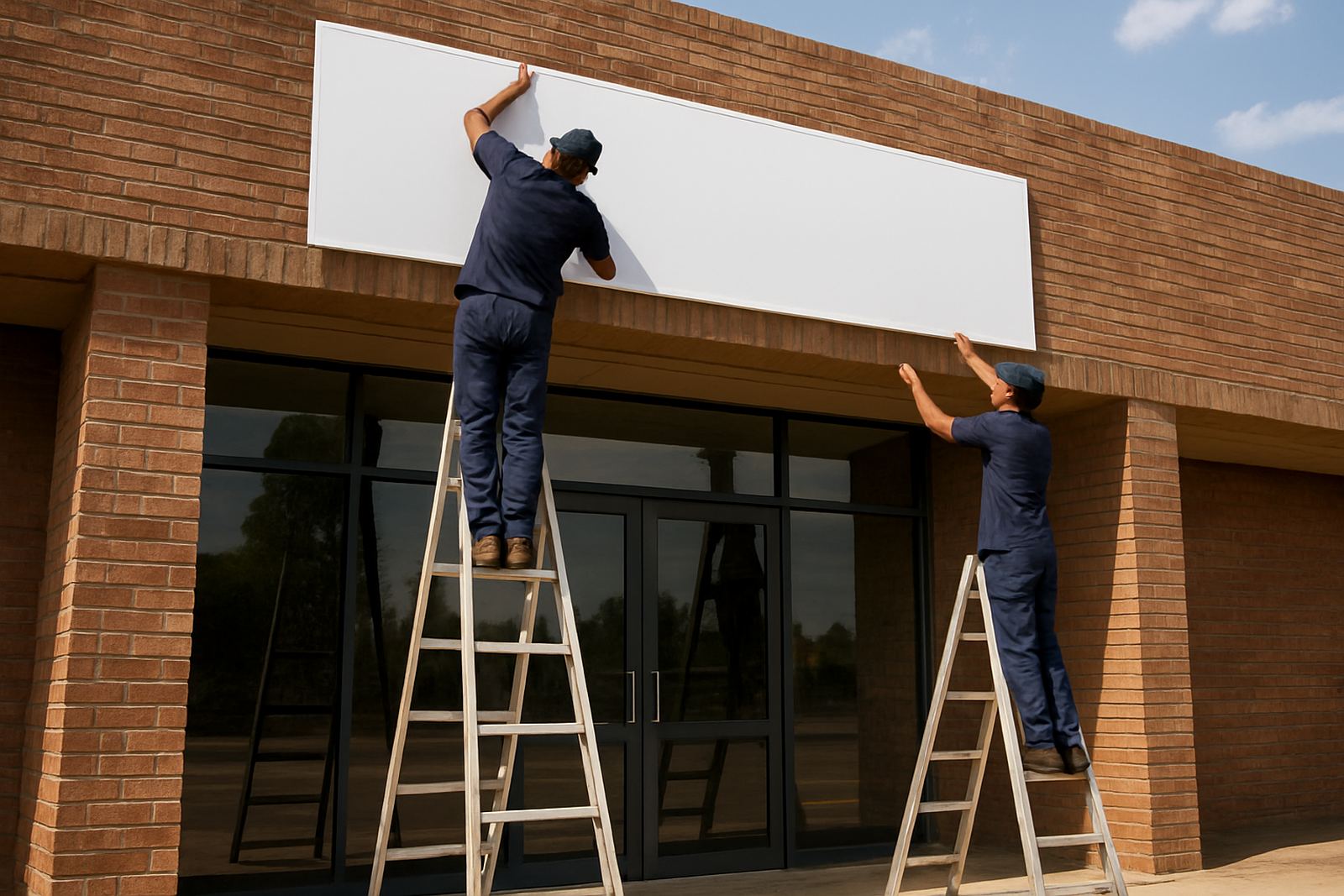
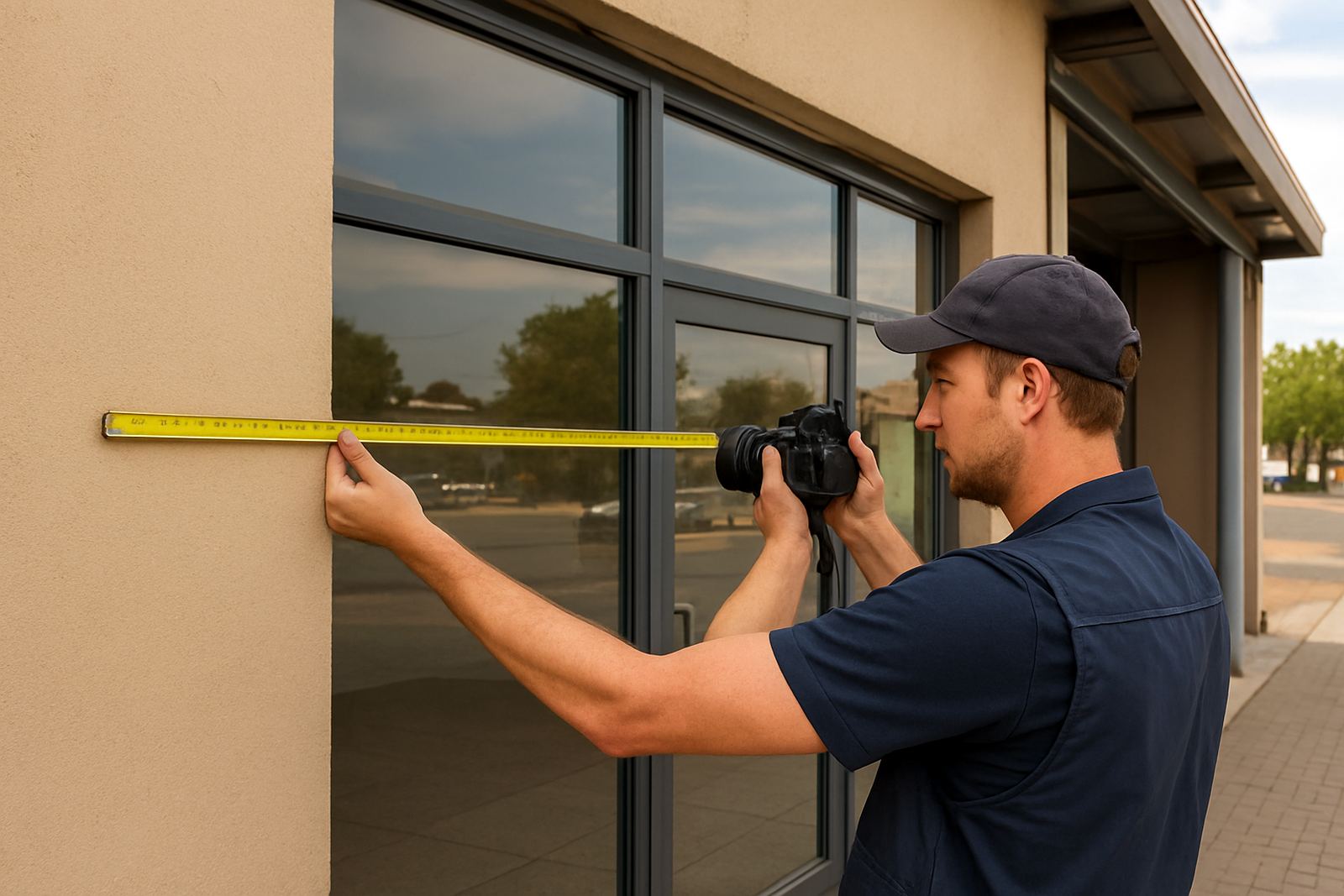
We usually start with a site survey or a clear set of measurements from the client. That tells us the exact fixing points, height, available clearance, and whether the sign needs to be built in sections for easier handling. It also helps us check access for installation, which is important on busy streets, in shopping centres and at sites with controlled entry or loading bays.
Once the measurements are confirmed, we prepare the fabrication plan, materials list and artwork setup if needed. Our graphic designer can redraw a logo where the source file is poor, and our production team checks alignment, scale and panel division before cutting begins. After fabrication, the sign is dry-fitted and checked before it leaves the workshop. This saves time onsite and reduces rework when the installer arrives.
- Site survey and measuring
- Artwork setup and logo redraws if required
- Cutting, welding, assembly and finishing
- Quality check before collection or installation
Turnaround for Small Jobs and Larger Builds
Turnaround depends on the size of the sign, the materials involved and whether we are doing one sign or a batch for multiple branches. A small internal panel may be completed quickly, while a large raised-letter exterior sign with steel support work needs more fabrication time and drying time for coatings. We will always give a realistic lead time, not a hopeful one.
For urgent replacements, such as a damaged shop fascia or a sign that has been knocked loose by wind, we look at the quickest safe way to restore the sign, sometimes in stages. If a site has load-shedding constraints or access limits after hours, we can plan around that. A tidy job is better than a rushed one, even if a client is eager to open the doors by Friday.
As a guide, simple flat signs can often be turned around in a few working days, while fabricated multi-part signs, especially those involving metal work, may take longer depending on the queue and material availability. We keep clients updated through the process so they know when the sign will be ready for fitting or dispatch.
How We Price Fabricated Signs
Pricing is based on real inputs: material type, size, thickness, number of parts, finishing, fixing method and whether the sign is being installed or supplied only. A 600 mm internal sign in acrylic is not priced the same as a 4 metre exterior fascia with a steel frame and raised lettering. That may sound obvious, but it is the only fair way to quote properly.
We can price from a drawing, a photo with measurements, or a site inspection. If the scope changes, for example if the wall condition is worse than expected or the sign needs extra bracing, we flag it before work carries on. That keeps the bill clear and avoids surprise extras. For repeat work across Mangaung, Welkom or Kroonstad, we can also quote on a standardised format for multiple sites.
- Quoted by size, material and complexity
- Installation, access equipment and transport priced separately where needed
- Batch orders can reduce the unit cost across multiple signs
- Refurbishment and partial rebuilds are often more economical than full replacement
Keeping Fabricated Signs in Good Order
Fabricated signs last longer when they are checked before something fails. We recommend maintenance visits at intervals based on exposure, height and traffic. A sign on a busy roadside in Bloemfontein may need a closer check than an indoor display in a quiet reception area. Fasteners loosen, edges collect dust, coatings age and some panels start to move if they were loaded hard by wind or vibration.
For most outdoor signs, a check every 6 to 12 months is sensible. That can include tightening fixings, checking welds, cleaning faces, inspecting for water entry and confirming that any lettering or panels are still level. If a sign has lighting or is mounted high, the interval should be shorter. Our maintenance visits also cover minor refurbishment, debranding and replacement parts, so a client does not have to wait until a sign fails completely.
Good fabrication is only part of the job. The other part is making sure the sign still looks straight and solid six months later, which is where proper maintenance saves money.
Built for Bloemfontein Sites, Not Just the Workshop
Central Signs has been fabricating signs in Bloemfontein since 2007, and the local conditions matter. Wind, dust, sun exposure and the mix of brick, plaster, steel and glass around Mangaung all affect how a sign should be built. A sign for a shop in the city centre is not handled the same way as a sign for a warehouse edge site or a branch in Thaba Nchu.
Our team includes Marius Jacobus van Rensburg, Lerato Molefe, Johan Smit, Zanele Dlamini, Kagiso Moeketsi, Annelie Botha and Thabo Ncgobo, each handling a different part of the process from design and production through to installation and client coordination. That means the fabrication work is not guessed at, it is checked by people who do it every day. If you need a sign that must fit first time and hold up properly, that is where we start.
Clients can send their enquiry through the contact page and we will take it from there, whether the job is for Bloemfontein, Botshabelo, Welkom, Kroonstad or a smaller Free State town in between. Small slip ups on site cost time, so we build carefully in the workshop and install with the same attention to detail.
Key facts
| Service type | In-house sign fabrication |
|---|---|
| Common products | Panels, frames, raised letters, display structures |
| Typical materials | Aluminium composite, acrylic, steel, galvanised steel |
| Size range | Small internal signs to large exterior fascias |
| Turnaround | Depends on size, materials and queue, with urgent repairs handled case by case |
| Maintenance interval | Every 6 to 12 months for most outdoor signs |