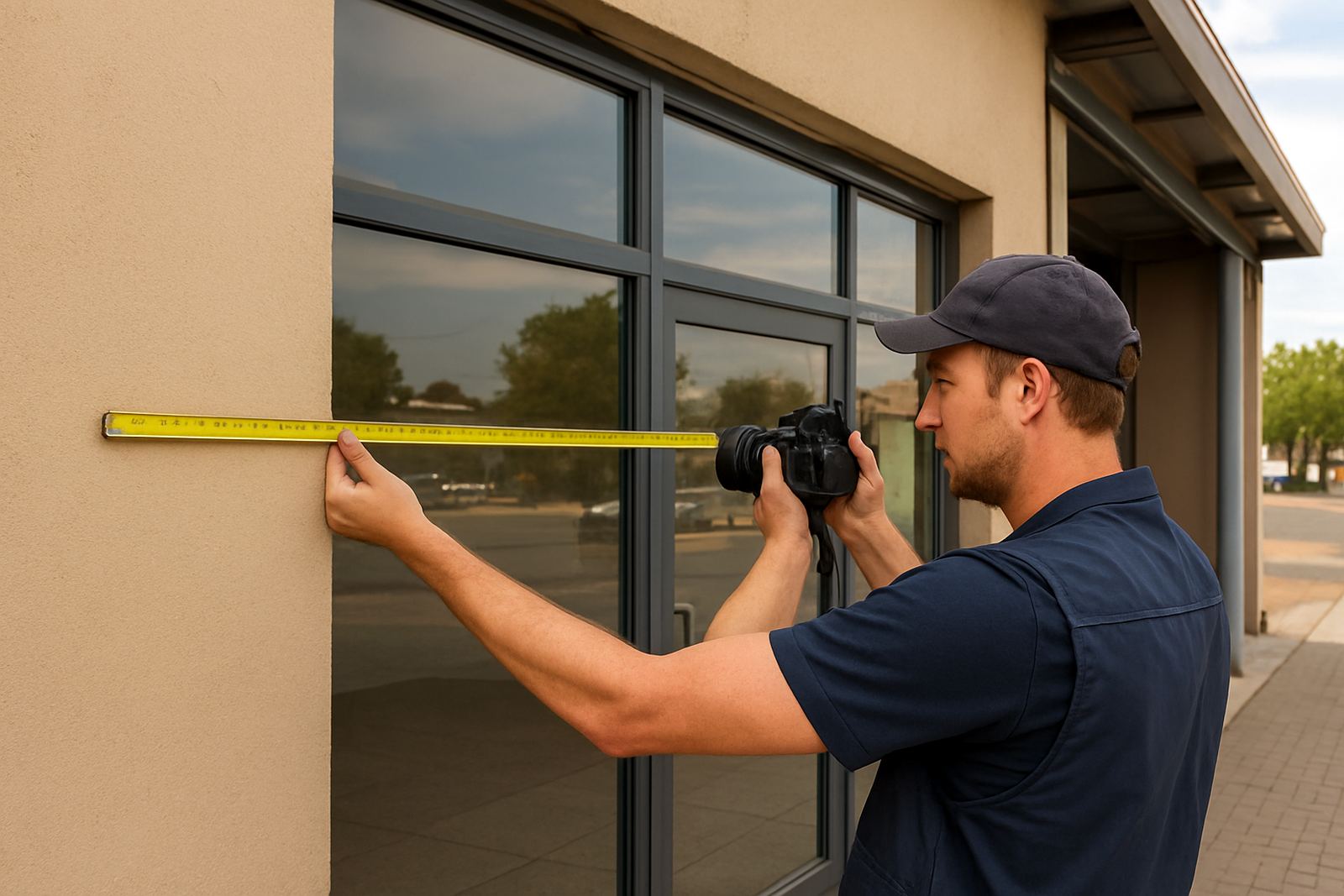
What we check on site
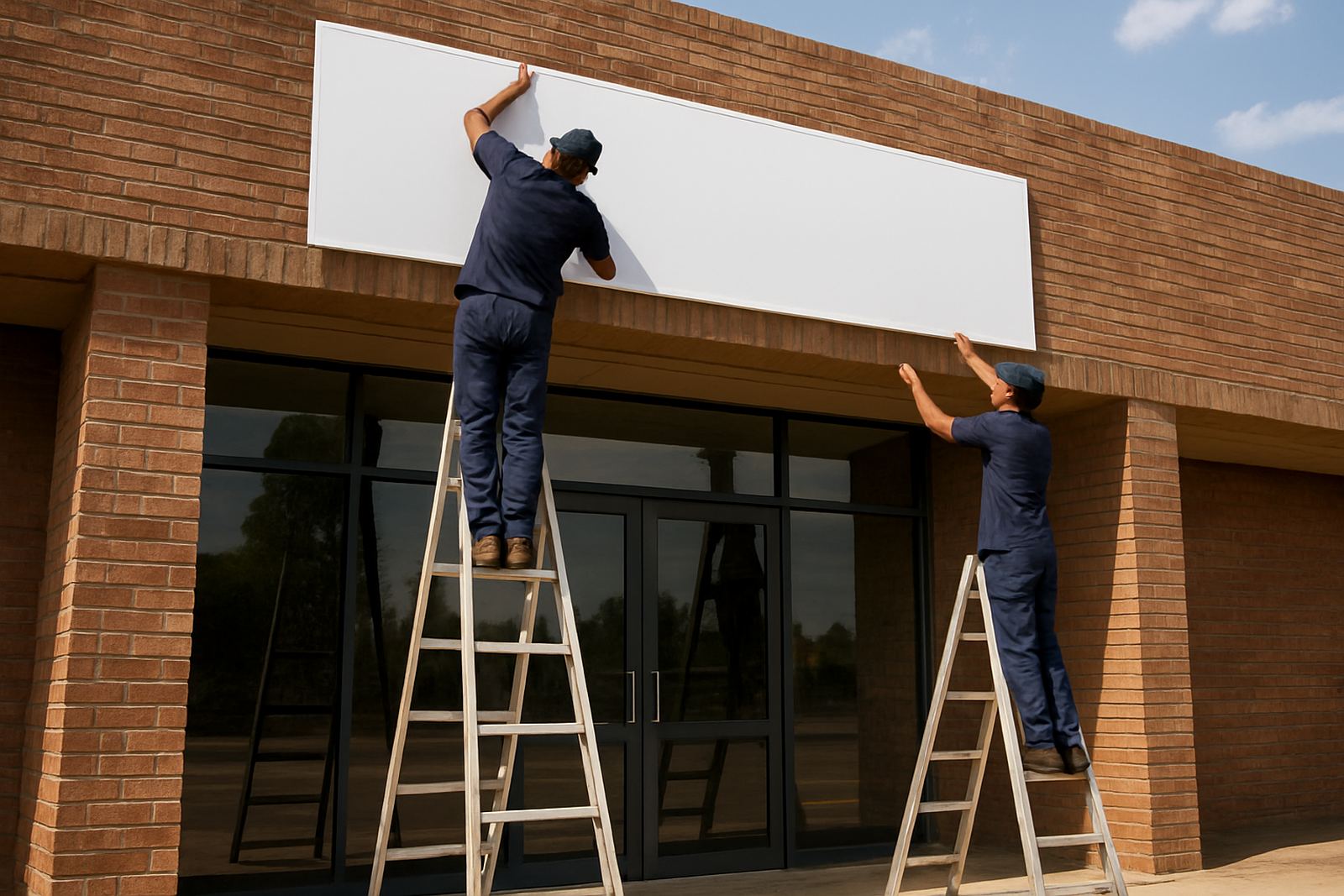
Our site surveys cover the practical details that affect how a sign will fit and perform once it is installed. We measure the available area, confirm fixing points, note any obstructions and check whether the wall, window, door or floor can take the chosen material. For vehicle work, we look at panel shape, trims, handles and body curves so artwork can be planned around the shape of the vehicle not against it.
We also assess visibility from the road, pavement or car park, including where a sign will be seen in daylight and after dark. If there is wash from streetlights, strong sun glare or shadow from a tree or canopy, that is picked up during the visit. In Bloemfontein and surrounding towns, wind exposure and dust also matter, especially for freestanding or exterior signs.
Why the survey matters before production
Good measurements save time and reduce avoidable rework. A small error in width or depth can affect a fascia sign, a floor decal or a vinyl panel by several millimetres, and once material is cut there is no easy way back. A survey also shows whether a job needs extra prep, such as cleaning, light sanding, primer, or fixing a loose substrate before installation.
It helps us plan for access too. Some buildings in central Bloemfontein, Mangaung and the smaller towns have narrow entrances, uneven paving or limited parking for an installation vehicle. If a lift, ladder, scaffold or out-of-hours fitting is needed, we identify that early so the schedule is realistic and the client is not caught out.
How the survey process works
The process is simple and keeps everyone on the same page. Once the enquiry comes through, Annelie Botha confirms the brief and arranges a visit. Johan Smit or another installer attends the site, depending on the job type, and takes measurements, photos and notes. Zanele Dlamini and the production team then use that information to prepare artwork and fabrication details.
- Initial brief and site address confirmed
- Visit arranged for the right day and time
- Measurements, photos and surface notes taken
- Access, safety and fixing method assessed
- Job details handed over to production and installation
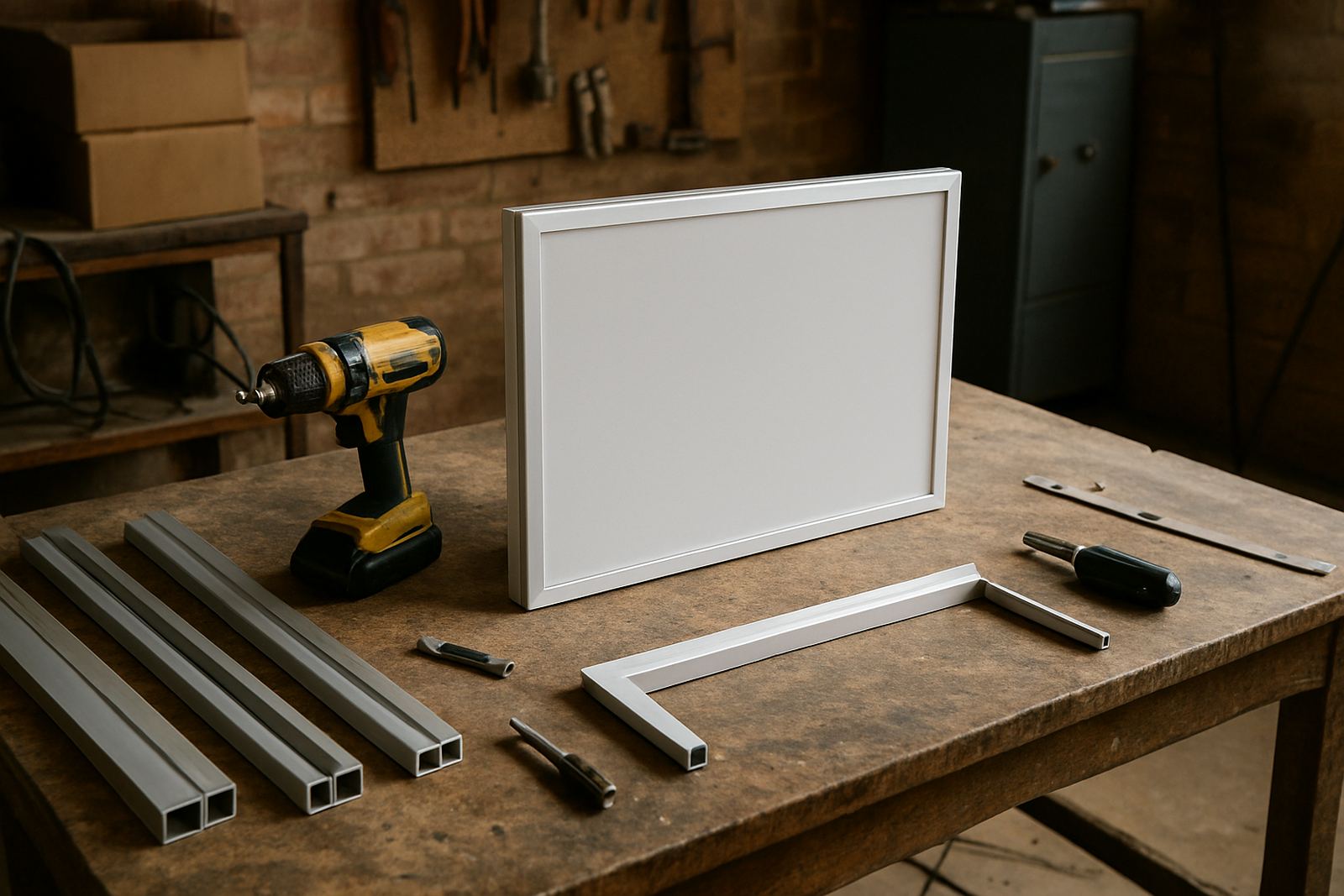
For vehicle graphics, Kagiso Moeketsi checks panel layout and application conditions. For fabrication and shopfront work, Thabo Ncgobo notes bracket points, clearances and any need for backing board or framing. If the site is a little awkward, we will say so upfront rather than leaving it for install day.
Turnaround and reporting
Most surveys in Bloemfontein can be arranged within a few working days, depending on location and how urgent the job is. Mangaung, Botshabelo and Thaba Nchu often fit into the same travel run, while Welkom, Kroonstad, Brandfort and Winburg may need a slightly later slot to allow for travel time. For larger or multi-site work, we can schedule a full day survey route.
After the visit, we capture the key details needed for the quote and production file. That includes measurements, material condition, likely fixing method, and any risks such as cracked plaster, weak paint, uneven tiles or low clearance. You get a clear picture of what can be done now and what may need prep first, which keeps the next step moving without delays.
Pricing approach and what affects cost
Site surveys are priced according to travel distance, job complexity and the amount of time needed on site. A straightforward shopfront measure-up in Bloemfontein is usually quicker than a mixed site with windows, walls, floor graphics and vehicle parking constraints. If the site needs after-hours access, multiple buildings or a second visit, that is taken into account.
The survey fee is part of the planning process, not a random extra. It helps prevent waste from incorrect material sizes, wrong fixing choices or repeat callouts. Where a project is likely to need refurbishment, debranding or maintenance visits later on, we can factor that into the survey notes so the long-term cost is easier to manage.
- Distance to site and number of locations
- Type of surface and installation difficulty
- Urgency and required time on site
- Access needs such as ladders, lifts or out-of-hours entry
- Whether the job includes vehicles, windows, walls, doors or floors
When a maintenance visit is the smarter choice
Not every job needs a full new sign. Sometimes a survey reveals that a panel only needs new vinyl, a faded fascia needs reskinning, or a display unit has come loose and needs securing. In those cases, a maintenance visit can be more cost-effective than replacing the full sign set. That is common on exposed sites where sun, dust and wind take their toll over time.
We usually recommend checking high-visibility signs every 6 to 12 months, and vehicle graphics after heavy use or long trips on gravel roads. In coastal-type humidity is less of an issue in Bloemfontein than on the coast, but rain, heat and UV still wear down adhesive and print over time. If the surface is peeling, chalky or lifting, it is better to catch it early than wait for a bigger repair.
For shops, offices and fleet vehicles in the Free State, regular condition checks help keep the brand readable and tidy. It is a small step, but it protects the finish and keeps the image looking right.
Key facts
| Service area | Bloemfontein, Mangaung, Botshabelo, Thaba Nchu, Welkom, Kroonstad, Brandfort and Winburg |
|---|---|
| What is measured | Shopfronts, windows, walls, doors, floors, vehicles and display areas |
| Output from survey | Measurements, photos, surface notes and access requirements |
| Typical turnaround | Usually within a few working days, subject to travel and job size |
| Best for | New signs, vehicle graphics, refurbishments and debranding work |
| Common checks | Visibility, fixing points, substrate condition, clearance and installation access |