Hard-Wearing Labels For Daily Use
Asset labels are used to mark items that move, get handled often, or need regular stock checks. They can carry asset numbers, department names, barcodes, QR codes, warning text or simple colour coding so staff can identify items at a glance. For stores rooms, plant areas and admin spaces, a good label saves time and cuts down on mix-ups.
We make labels for equipment, cabinets, shelves, doors, pallets, boxes and fixed fittings. They can be applied to smooth painted surfaces, powder-coated metal, glass, sealed plastic and laminated panels. For high-traffic areas in Bloemfontein and surrounding towns, the main aim is clear marking that still holds up to cleaning, sunlight and repeated handling.
- Asset numbers and serial references
- Barcode and QR code labels for tracking systems
- Colour coded labels for departments or zones
- Warning, instruction and safety identification
Sizes, Materials And Finish Options
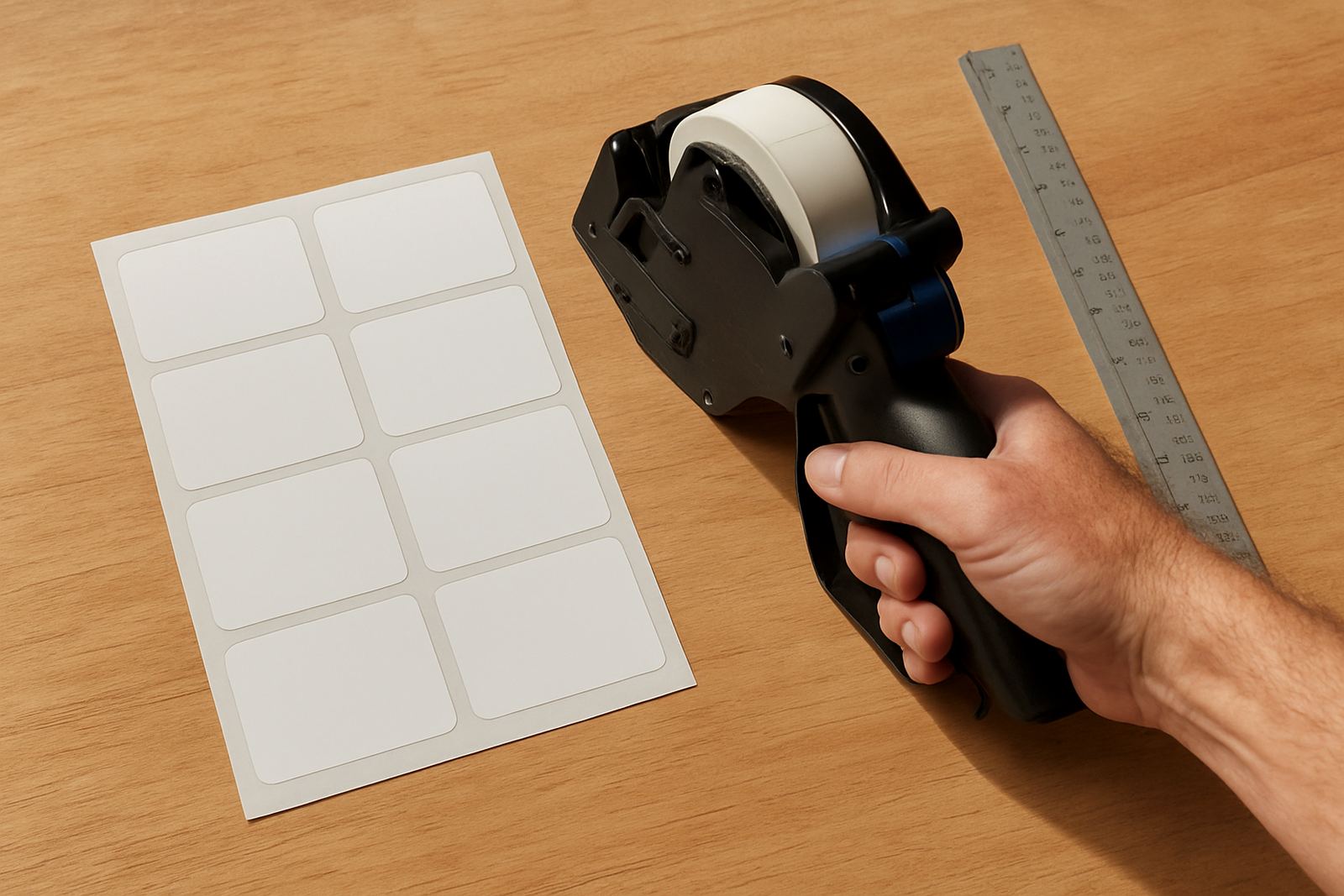
Asset labels are made to fit the item they are marking, so there is no single standard size. Small tags can start at 30 x 15 mm for serial numbers, while larger labels for shelves or equipment panels may run to 150 x 100 mm or more. We can also cut labels to a custom shape, round corners, or add a clear laminate for extra protection.
Material choice matters. For indoor filing rooms and stock shelves, printed self-adhesive vinyl is often enough. For sites with dust, regular cleaning or outdoor exposure, we normally recommend laminated vinyl or a more durable face stock. In areas where there is a lot of sun on windows or doors, UV exposure can fade low grade prints quicker than expected, so the finish has to be chosen with the site in mind.
- Matte or gloss finish
- Permanent or removable adhesive
- Single colour, full colour or high contrast print
- Sequential numbering or fixed numbering
Best Uses In Bloemfontein And The Free State
These labels suit workshops, stores, warehouses, schools, churches, clinics, farms and office sites where items must be counted and returned to the right place. In Mangaung, Botshabelo, Thaba Nchu, Welkom and Kroonstad, they are often used on equipment that changes hands between teams or needs regular inspection. They are also useful for shelves and racking where one missing item can throw off the whole count.
Asset labels also help when a site is split across different rooms or buildings. A clean label on a shelf edge, server cabinet, filing cupboard or maintenance trolley makes it easier for staff to work faster and keep records correct. For facilities management, that means less searching and fewer costly errors.
They are practical for:
- Tools and maintenance equipment
- IT hardware, printers and peripherals
- Storage bins, shelves and racking
- Furniture, doors and access points
Application, Surfaces And Power Needs
Most asset labels are self-adhesive and do not need electrical power, gas or site utilities to work. They are simply applied to a clean dry surface. On some items, especially textured plastic or heavily scratched metal, surface preparation becomes important. A label will only stay put if the base surface is sound and free from dust, oil or loose paint.
For larger marking jobs, we may visit the site to check the finish, measure the items and confirm where labels should go. That helps with placement on curved surfaces, narrow panels and areas that are touched often. If the site is busy or has load-shedding interruptions, it is best to plan installation when equipment can be switched off or temporarily taken out of use. No power is needed for the label itself, but the work area should be safe and accessible.
We can also supply labels for use with asset registers and scanning systems, where the size and contrast need to suit handheld readers. In those cases the layout has to be tested before production. A little planning here avoids reprints later, which is always cheaper.
Care, Cleaning And Replacement Cycles
Good labels should be checked during routine maintenance and stock audits. If a label is scratched, lifting at the corners or starting to fade, it should be replaced before the number becomes unreadable. In dusty sites or places with regular washing, labels need a finish that can take wiping with a damp cloth and mild cleaner. Strong solvents can damage print or adhesive, so staff should avoid them unless the label spec allows it.
For coastal humidity or hot plant rooms, adhesive performance matters just as much as print quality. Labels placed on warm metal or near doors that get direct sun may age faster than labels kept indoors. A yearly inspection is usually enough for office furniture and low-wear items, while tools and production equipment may need a quicker check. It saves time to make a small batch of replacements at the same time, rather than waiting until half the set is unreadable.
- Wipe with a soft cloth and mild soap solution
- Do not scrape with sharp tools
- Check edges during monthly or quarterly audits
- Keep a record of label numbers for easy reissue
What To Check When Ordering Asset Labels
Before ordering, it helps to know what the label must do and where it will be used. The wrong adhesive, font size or colour contrast can make a simple label hard to use. If you are labelling stock and shelves, the numbers must stay readable from arm’s length. If you are labelling small equipment, the print has to be compact but still clear.
We normally ask for the item type, the surface it will go on, the label size, the quantity and whether the numbering is fixed or sequential. If you need barcodes or QR codes, the format must match your internal system. A quick artwork check upfront avoids rework later on. We also look at whether the labels need to be tamper evident, removable or permanent, because that changes the material choice.
- Surface type: metal, plastic, painted board, glass or laminated panel
- Environment: indoor, outdoor, dusty, hot or humid
- Reading method: visual, barcode or QR scan
- Quantity and numbering sequence
Key facts
| Product type | Custom asset identification labels |
|---|---|
| Typical sizes | From 30 x 15 mm to 150 x 100 mm, or custom |
| Materials | Self-adhesive vinyl, laminated vinyl, specialty label stocks |
| Finish | Matte or gloss, with optional clear laminate |
| Adhesive options | Permanent or removable |
| Use areas | Equipment, stock, shelves, facilities and office assets |